THE ADVENTURE COLLECTIVE® · Independent discovery and booking for outdoor travel

A full-day hike from Cusco to Humantay Lake brings you to a dazzling turquoise lagoon below Salkantay’s glaciers. This guide covers what to expect on the trail, cultural context, and practical tips to prepare for high‑altitude terrain.
A full-day hike from Cusco to Humantay Lake brings you to a dazzling turquoise lagoon below Salkantay’s glaciers. This guide covers what to expect on the trail, cultural context, and practical tips to prepare for high‑altitude terrain.
An early fog thins as the van winds up from Cusco and the Andes open into high grasslands. By the time you step out at Soraypampa (≈3,900 m) the air tastes thin and cold; the trail climbs steadily, the slopes turning from puna grass to rocky switchbacks. Ahead, Salkantay’s glaciated ridgeline watches over a bowl that holds Humantay’s impossible turquoise—the water so bright it seems to push light back into the sky.
Verified experiences and guided adventures in the surrounding area.
Operated by QORIANKA TOURS · Cusco, Cusco Region
An early fog thins as the van winds up from Cusco and the Andes open into high grasslands. By the time you step out at Soraypampa (≈3,900 m) the air tastes thin and cold; the trail climbs steadily, the slopes turning from puna grass to rocky switchbacks. Ahead, Salkantay’s glaciated ridgeline watches over a bowl that holds Humantay’s impossible turquoise—the water so bright it seems to push light back into the sky.
Humantay sits at roughly 4,200 m, formed as meltwater pooled beneath the Salkantay glacier. The lake and surrounding peaks are part of a living landscape for local Quechua communities who revere the Apus (mountain spirits) and maintain traditions in places like Mollepata. Geologically you’re walking on young, uplifted Andean rock: steep slopes, glacial moraine, and loose scree in places.
Expect a 1.5–2 hour ascent on a steep, often rocky trail with about 300 m elevation gain (around 4 km round-trip). The route is straightforward but demands acclimatization, steady pace, and respect for sharp weather swings—sun can roar one hour, snow the next. Guides typically include breakfast at Mollepata and an Andean buffet on return, plus walking sticks and oxygen for safety.
Practical tips: go slow, layer for rapid temperature change, carry water and sun protection, and plan for 6–13 hours depending on transfers. Photography is best early before crowds, and leave enough time at the rim to let your breathing ease and the lake’s color sink in.
moderate.
12–13 hours (full day with transfers).
Moderately fit—able to hike uphill for 1.5–2 hours carrying a daypack; good cardiovascular baseline helps at altitude.
The trail is steep but short—expect 1.5–2 hours uphill from Soraypampa with about 300 m elevation gain; difficulty increases due to altitude rather than technical terrain.
Yes—spend 24–72 hours in Cusco or similar altitude beforehand and avoid heavy exertion the day before the hike to lower altitude sickness risk.
Fit children and older adults can complete it with rest and slow pacing, but the high altitude and steep sections make it unsuitable for those with cardiac or serious mobility issues.
Basic toilets and services are available at Soraypampa; tours usually include breakfast in Mollepata and an Andean buffet after the hike, but bring snacks and toilet paper for comfort.
The lake is part of a landscape long inhabited by Quechua communities who honor the surrounding peaks (Apus) in ritual and land stewardship.
High‑altitude wetlands and glacial runoff are fragile—stick to trails, avoid swimming, and pack out all waste to protect water quality and local ecosystems.
QORIANKA TOURS operates guided outdoor trips and adventures with an emphasis on safety, stewardship, and memorable experiences.
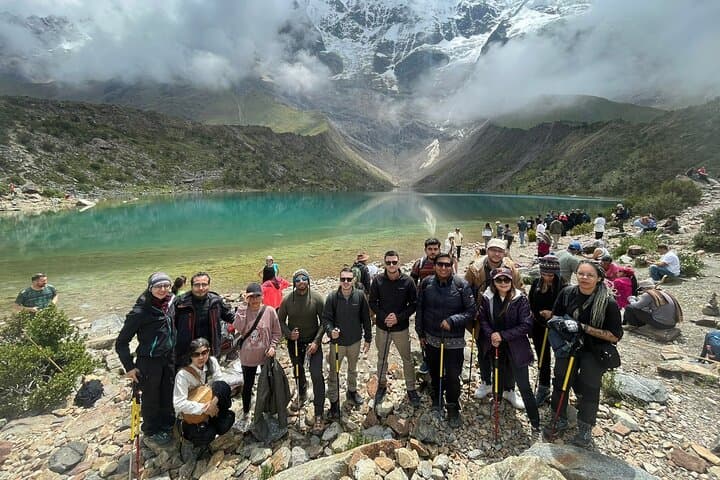
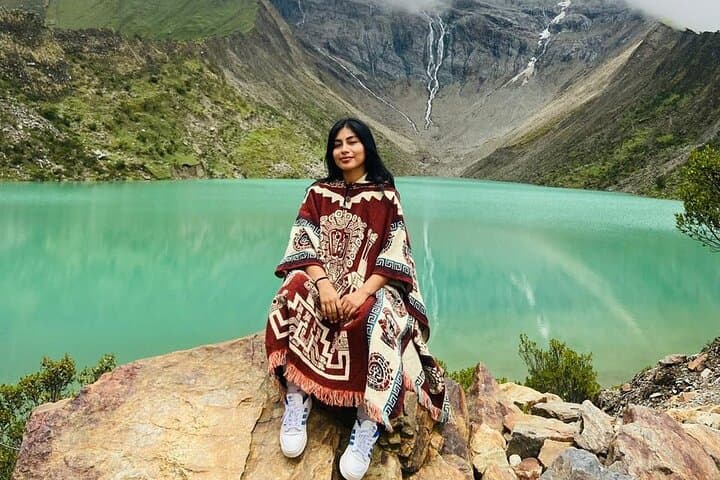
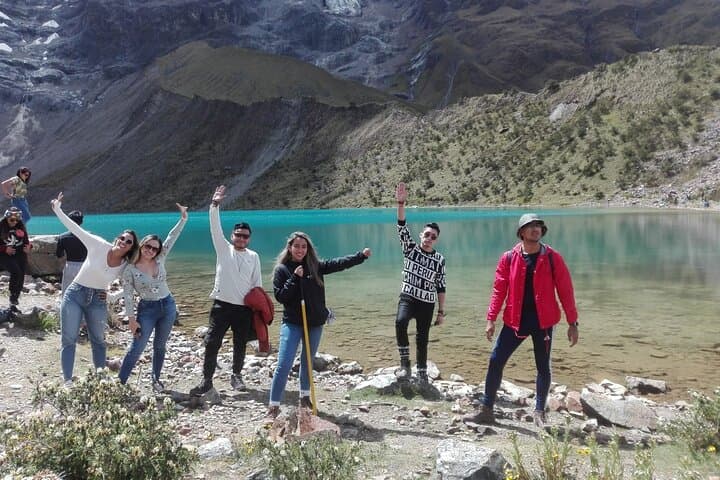
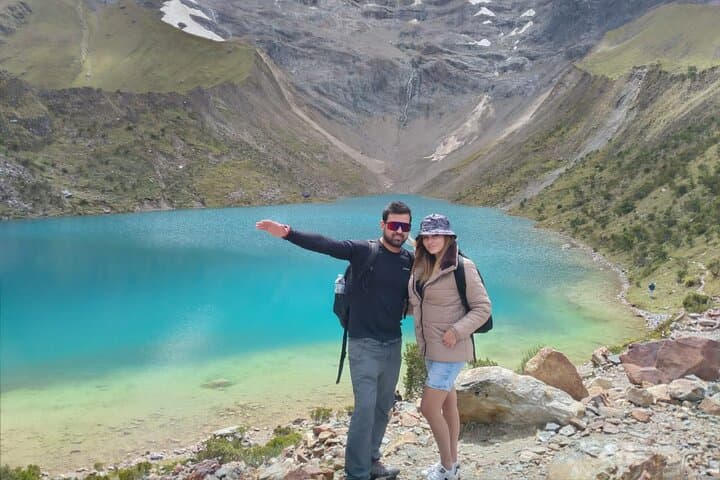
An early fog thins as the van winds up from Cusco and the Andes open into high grasslands. By the time you step out at Soraypampa (≈3,900 m) the air tastes thin and cold; the trail climbs steadily, the slopes turning from puna grass to rocky switchbacks. Ahead, Salkantay’s glaciated ridgeline watches over a bowl that holds Humantay’s impossible turquoise—the water so bright it seems to push light back into the sky.
An early fog thins as the van winds up from Cusco and the Andes open into high grasslands. By the time you step out at Soraypampa (≈3,900 m) the air tastes thin and cold; the trail climbs steadily, the slopes turning from puna grass to rocky switchbacks. Ahead, Salkantay’s glaciated ridgeline watches over a bowl that holds Humantay’s impossible turquoise—the water so bright it seems to push light back into the sky.
Humantay sits at roughly 4,200 m, formed as meltwater pooled beneath the Salkantay glacier. The lake and surrounding peaks are part of a living landscape for local Quechua communities who revere the Apus (mountain spirits) and maintain traditions in places like Mollepata. Geologically you’re walking on young, uplifted Andean rock: steep slopes, glacial moraine, and loose scree in places.
Expect a 1.5–2 hour ascent on a steep, often rocky trail with about 300 m elevation gain (around 4 km round-trip). The route is straightforward but demands acclimatization, steady pace, and respect for sharp weather swings—sun can roar one hour, snow the next. Guides typically include breakfast at Mollepata and an Andean buffet on return, plus walking sticks and oxygen for safety.
Practical tips: go slow, layer for rapid temperature change, carry water and sun protection, and plan for 6–13 hours depending on transfers. Photography is best early before crowds, and leave enough time at the rim to let your breathing ease and the lake’s color sink in.