THE ADVENTURE COLLECTIVE® · Independent discovery and booking for outdoor travel

A high-altitude day hike from Cusco to a glacial turquoise lagoon beneath Salkantay’s ridgeline. Short but steep, the Humantay Lake tour pairs dramatic views with Andean cultural notes and included meals.
A high-altitude day hike from Cusco to a glacial turquoise lagoon beneath Salkantay’s ridgeline. Short but steep, the Humantay Lake tour pairs dramatic views with Andean cultural notes and included meals.
The bus slides out of Cusco before dawn, headlights cutting a path through Andean night. By midmorning you’re at Soraypampa (3,850 m), coffee warming your hands while the massif of Salkantay watches like an old, patient climber. The trail climbs steady—rock, moraine, and high puna grass—until the world opens and Humantay Lake appears: a compact, glacial-blue bowl rimmed by snow and wind-sculpted moraine.
Verified experiences and guided adventures in the surrounding area.
Operated by Machupicchu Agency · Soraypampa, Cusco Region
The bus slides out of Cusco before dawn, headlights cutting a path through Andean night. By midmorning you’re at Soraypampa (3,850 m), coffee warming your hands while the massif of Salkantay watches like an old, patient climber. The trail climbs steady—rock, moraine, and high puna grass—until the world opens and Humantay Lake appears: a compact, glacial-blue bowl rimmed by snow and wind-sculpted moraine.
This is Salkantay country, where glaciation carved steep cirques and left the lake as a high-altitude remnant of ice and melt. Indigenous communities have long revered the apus—mountain spirits—and local guides often weave Andean rituals and history into the stop at the lake and the markets of Mollepata.
Expect close-up geology: glacial polish, talus slopes, and sudden weather shifts that can change light and temperature in minutes. Wildlife is sparse but sharp—thermally tuned birds and rock-dwelling mammals. The route is short but altitude-heavy; most visitors take 45–75 minutes up and down, with time to photograph and rest at the rim.
Practical edge: acclimatize in Cusco for 24–48 hours, carry layered clothing, and drink frequently to mitigate altitude effects. The tour commonly includes breakfast in Mollepata and a semi-buffet lunch on return, plus round-trip transport. Trails are compact but uneven—stick to shoes with grip. Respect the lake: no swimming and pack out all waste. Aim for early departures to avoid afternoon winds and get clearer mountain light. Humantay is brief, intense, and unmistakably Andean—perfect for a one-day summit of scenic payoff and cultural context.
moderate.
12–13 hours.
Moderate fitness; able to walk 1–2 hours on uneven high-altitude terrain and tolerate sustained elevation.
From Soraypampa the ascent typically takes 45–75 minutes each way depending on pace and acclimatization.
Yes, the trail is straightforward but the altitude increases difficulty; beginners should acclimatize and move at a conservative pace.
Most full-day tours include round-trip transport from Cusco, a buffet breakfast in Mollepata, and a lunch on return as described in the itinerary.
No—swimming is discouraged to protect the fragile glacial ecosystem and because water is extremely cold and potentially dangerous.
The area lies within Salkantay’s cultural landscape; local communities honor mountain apus and have used these high pastures for grazing for centuries.
High-elevation lakes are sensitive to trampling and pollution—stick to trails, pack out waste, and avoid entering the water to protect glacial sources.
Machupicchu Agency operates guided outdoor trips and adventures with an emphasis on safety, stewardship, and memorable experiences.

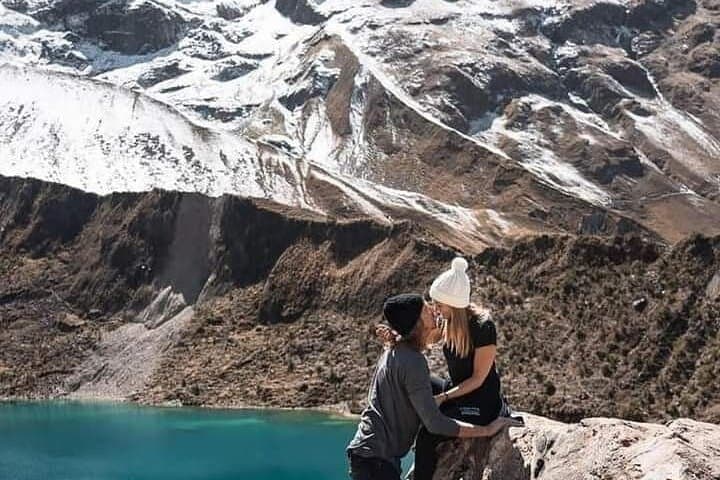

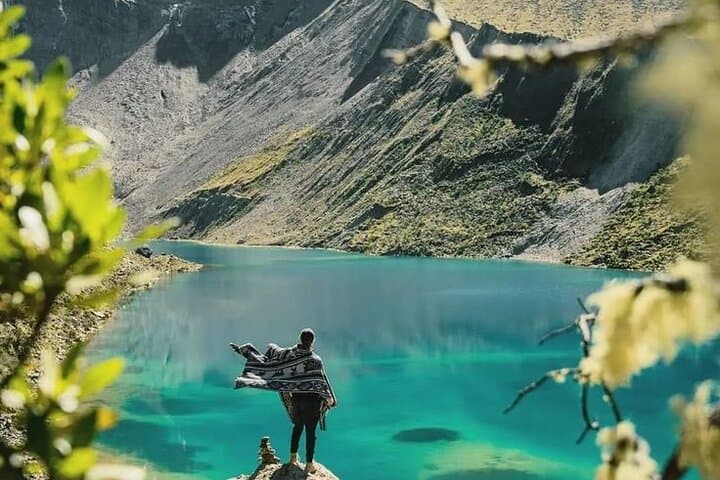
The bus slides out of Cusco before dawn, headlights cutting a path through Andean night. By midmorning you’re at Soraypampa (3,850 m), coffee warming your hands while the massif of Salkantay watches like an old, patient climber. The trail climbs steady—rock, moraine, and high puna grass—until the world opens and Humantay Lake appears: a compact, glacial-blue bowl rimmed by snow and wind-sculpted moraine.
The bus slides out of Cusco before dawn, headlights cutting a path through Andean night. By midmorning you’re at Soraypampa (3,850 m), coffee warming your hands while the massif of Salkantay watches like an old, patient climber. The trail climbs steady—rock, moraine, and high puna grass—until the world opens and Humantay Lake appears: a compact, glacial-blue bowl rimmed by snow and wind-sculpted moraine.
This is Salkantay country, where glaciation carved steep cirques and left the lake as a high-altitude remnant of ice and melt. Indigenous communities have long revered the apus—mountain spirits—and local guides often weave Andean rituals and history into the stop at the lake and the markets of Mollepata.
Expect close-up geology: glacial polish, talus slopes, and sudden weather shifts that can change light and temperature in minutes. Wildlife is sparse but sharp—thermally tuned birds and rock-dwelling mammals. The route is short but altitude-heavy; most visitors take 45–75 minutes up and down, with time to photograph and rest at the rim.
Practical edge: acclimatize in Cusco for 24–48 hours, carry layered clothing, and drink frequently to mitigate altitude effects. The tour commonly includes breakfast in Mollepata and a semi-buffet lunch on return, plus round-trip transport. Trails are compact but uneven—stick to shoes with grip. Respect the lake: no swimming and pack out all waste. Aim for early departures to avoid afternoon winds and get clearer mountain light. Humantay is brief, intense, and unmistakably Andean—perfect for a one-day summit of scenic payoff and cultural context.