THE ADVENTURE COLLECTIVE® · Independent discovery and booking for outdoor travel

A one-day ascent from Cusco rewards hikers with a vivid turquoise lagoon tucked beneath Salkantay’s snow. Expect high-altitude hiking, sweeping Andean views, and a cultural glimpse into local Quechua traditions.
A one-day ascent from Cusco rewards hikers with a vivid turquoise lagoon tucked beneath Salkantay’s snow. Expect high-altitude hiking, sweeping Andean views, and a cultural glimpse into local Quechua traditions.
You arrive before sunrise—Cusco's chill still clings as the van peels away toward high puna. The road climbs, the air thins, and mountain shapes sharpen: Salkantay's glaciered ridges loom like a stubborn guard. By Soraypampa the trail narrows, a ribbon of compacted earth that angles up through tussock grass and low shrubs, each step lifting you toward a bowl of water so blue it seems to challenge the sky.
Verified experiences and guided adventures in the surrounding area.
Operated by Inca Highlands · Cusco, Cusco Region
You arrive before sunrise—Cusco's chill still clings as the van peels away toward high puna. The road climbs, the air thins, and mountain shapes sharpen: Salkantay's glaciered ridges loom like a stubborn guard. By Soraypampa the trail narrows, a ribbon of compacted earth that angles up through tussock grass and low shrubs, each step lifting you toward a bowl of water so blue it seems to challenge the sky.
Humantay Lake sits in a high cirque carved by ancient ice and fed by melt from Humantay and Salkantay peaks. The region is part of the southern Peruvian Andes where Quechua communities have long treated the mountains—Apus—as living spirits. Salkantay itself is a landmark in Inca-era geography and a dramatic example of glacial sculpting, with steep moraine and exposed bedrock telling a slow story of ice, rock, and altitude.
On the path you'll meet local muleteers and, depending on season, grazing llamas or nimble vizcachas darting among rocks. Briefings often mention offerings to the Apus—small, respectful ceremonies rooted in Andean belief.
Practical guidance: plan for 12–13 hours door-to-door from Cusco, with roughly 3 hours each way driving and 3 hours hiking total. Altitude (over 4,200 m at the lake) is the real challenge—acclimatize in Cusco for at least 48 hours, move deliberately uphill, and keep hydrated. Wear stiff-soled boots and windproof layers; sun is intense at this elevation, but morning and afternoon winds can bite.
Expect short photo stops, a 30–60 minute stay at the lagoon, and a buffet meal in Mollepata on return. The trail is short but exposed—respect weather windows and listen to guides for safety.
moderate.
12–13 hours.
Good cardiovascular fitness and prior exposure to high altitude recommended; comfortable with steep climbs for 1–2 hours.
The walk from Soraypampa to the lake takes about 1.5 hours up and 1.5 hours down; it's short but steep and at high altitude, so pace yourself and use trekking poles.
Yes—because the lake sits above ~4,200 m, some visitors experience mild symptoms; acclimatize in Cusco, avoid alcohol, and hydrate before the hike.
Typical inclusions are hotel pickup in Cusco, roundtrip transport, breakfast and buffet lunch, entrance fees, professional guide, trekking poles, first aid kit and oxygen tank.
The dry season (May–September) offers clearer skies and more reliable trails; the shoulder months can be quieter but watch for afternoon rain in the wet season (Dec–Mar).
The Humantay and Salkantay peaks are part of Andean cultural landscapes where Quechua communities historically regarded mountains as Apus—sacred protectors tied to local ritual life.
High-altitude wetlands and fragile alpine grasses recover slowly; stick to trails, pack out waste, and avoid leaving offerings that contain plastic or non-biodegradable materials.
Inca Highlands operates guided outdoor trips and adventures with an emphasis on safety, stewardship, and memorable experiences.
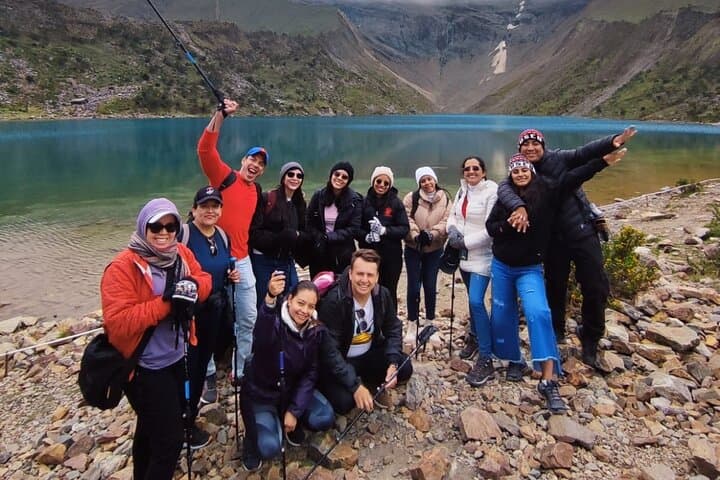
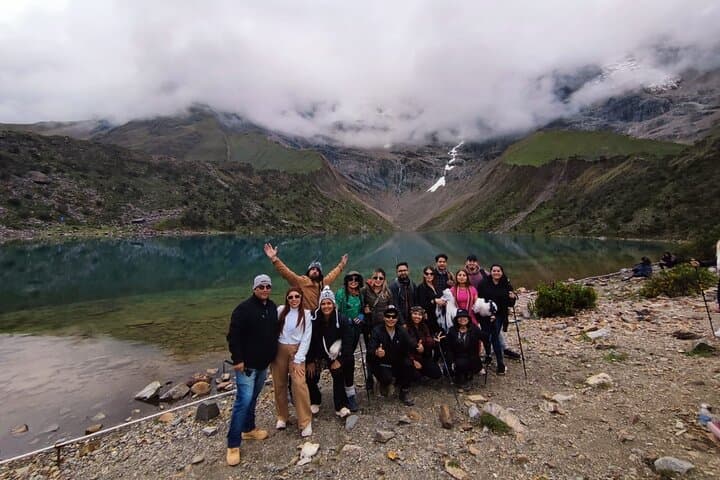
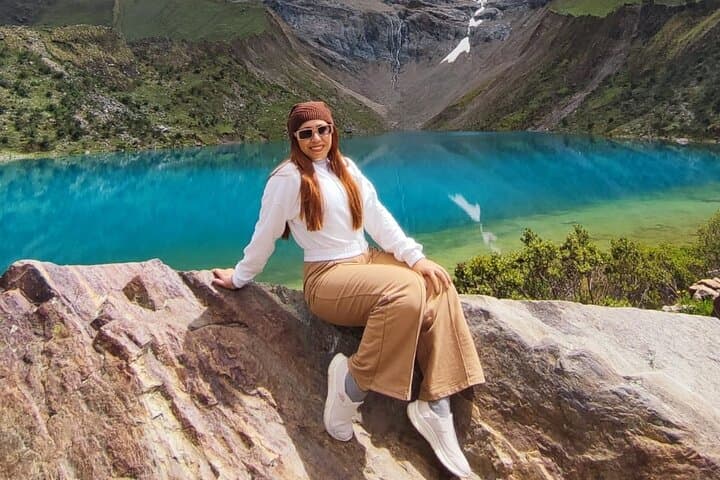
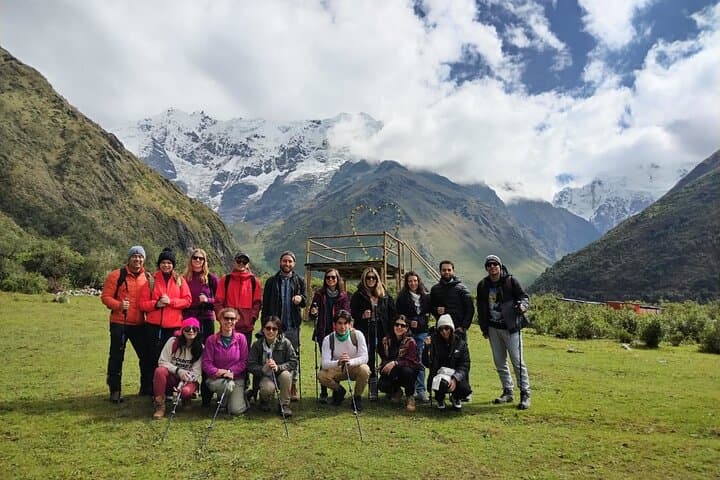
You arrive before sunrise—Cusco's chill still clings as the van peels away toward high puna. The road climbs, the air thins, and mountain shapes sharpen: Salkantay's glaciered ridges loom like a stubborn guard. By Soraypampa the trail narrows, a ribbon of compacted earth that angles up through tussock grass and low shrubs, each step lifting you toward a bowl of water so blue it seems to challenge the sky.
You arrive before sunrise—Cusco's chill still clings as the van peels away toward high puna. The road climbs, the air thins, and mountain shapes sharpen: Salkantay's glaciered ridges loom like a stubborn guard. By Soraypampa the trail narrows, a ribbon of compacted earth that angles up through tussock grass and low shrubs, each step lifting you toward a bowl of water so blue it seems to challenge the sky.
Humantay Lake sits in a high cirque carved by ancient ice and fed by melt from Humantay and Salkantay peaks. The region is part of the southern Peruvian Andes where Quechua communities have long treated the mountains—Apus—as living spirits. Salkantay itself is a landmark in Inca-era geography and a dramatic example of glacial sculpting, with steep moraine and exposed bedrock telling a slow story of ice, rock, and altitude.
On the path you'll meet local muleteers and, depending on season, grazing llamas or nimble vizcachas darting among rocks. Briefings often mention offerings to the Apus—small, respectful ceremonies rooted in Andean belief.
Practical guidance: plan for 12–13 hours door-to-door from Cusco, with roughly 3 hours each way driving and 3 hours hiking total. Altitude (over 4,200 m at the lake) is the real challenge—acclimatize in Cusco for at least 48 hours, move deliberately uphill, and keep hydrated. Wear stiff-soled boots and windproof layers; sun is intense at this elevation, but morning and afternoon winds can bite.
Expect short photo stops, a 30–60 minute stay at the lagoon, and a buffet meal in Mollepata on return. The trail is short but exposed—respect weather windows and listen to guides for safety.