THE ADVENTURE COLLECTIVE® · Independent discovery and booking for outdoor travel

An early-morning drive from Cusco brings you to Soraypampa and a brisk hike to Humantay Lagoon’s glacier-fed turquoise waters. Learn what to expect on the trail, how to handle the altitude, and practical tips to make the most of this full-day outing.
An early-morning drive from Cusco brings you to Soraypampa and a brisk hike to Humantay Lagoon’s glacier-fed turquoise waters. Learn what to expect on the trail, how to handle the altitude, and practical tips to make the most of this full-day outing.
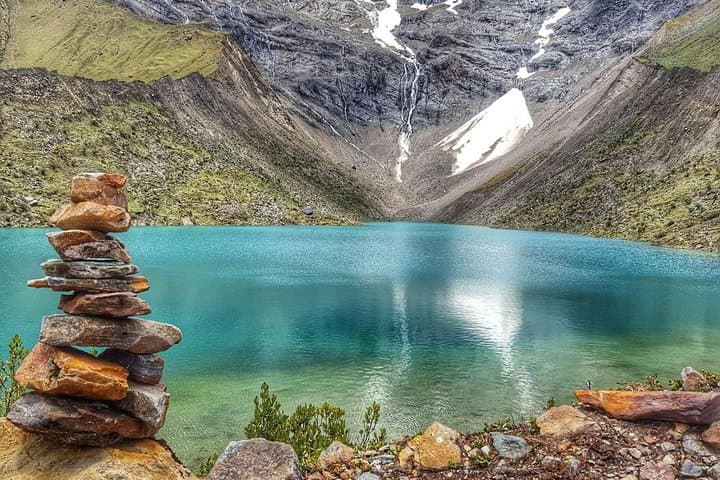
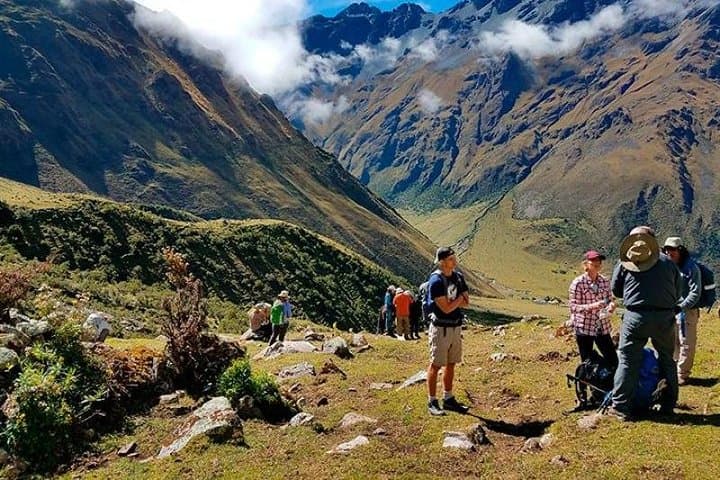
Before dawn a minivan eases out of Cusco and the highland light sharpens the ridgelines; by the time hikers reach Soraypampa the air is thin and the mountains are already asserting themselves. The trail climbs through puna grass and scattered ichu, pushing upward to a bowl where Humantay’s glacier-fed waters sit, bright as a held breath against rock and snow.
Verified experiences and guided adventures in the surrounding area.
Operated by Machupicchu Nice · Mollepata, Cusco
Before dawn a minivan eases out of Cusco and the highland light sharpens the ridgelines; by the time hikers reach Soraypampa the air is thin and the mountains are already asserting themselves. The trail climbs through puna grass and scattered ichu, pushing upward to a bowl where Humantay’s glacier-fed waters sit, bright as a held breath against rock and snow.
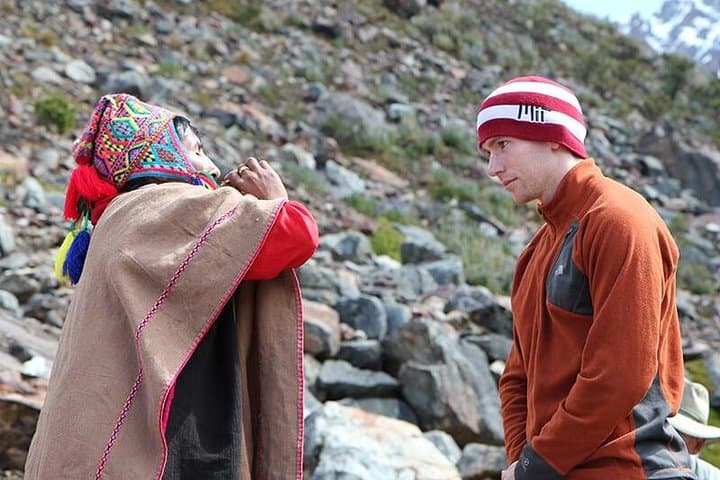
Humantay is a product of Pleistocene ice and modern glaciers, a high-Andean tarn at roughly 4,200 meters shaped by ice, meltwater and steep moraine. The route traces old shepherd tracks and crosses ground used for centuries by Quechua communities; local guides often point out nearby aps—sacred peaks—whose names and rituals remain part of everyday life in the valley.
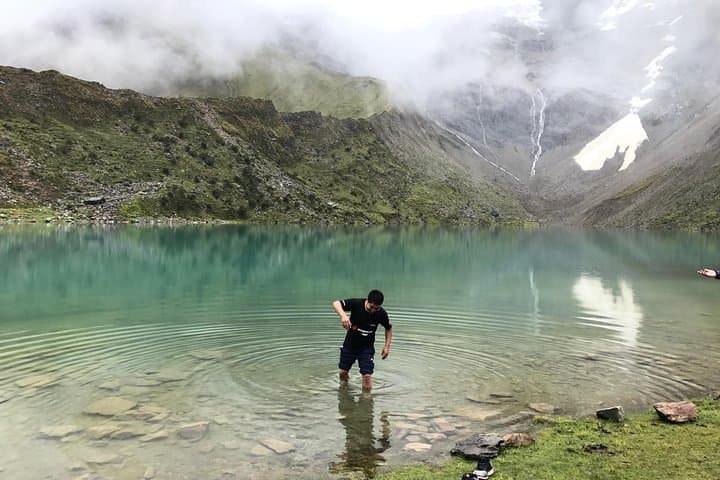
Expect a straightforward but steady ascent: roughly 1.2–2 kilometers of uphill trail taking about 1–1.5 hours, with loose scree and sections of exposed soil. The views reward every step—Salkantay’s jagged profile keeps watch, and the lagoon’s turquoise color changes with sun and cloud as if the water answers the sky.
Practically: acclimatize in Cusco for 24–48 hours, carry warm layers and sun protection, and plan for a long day—early pickup and late return. Footwear with good traction matters; poles reduce knee strain on the return. Respect altitude: move deliberately, hydrate, and descend at the first sign of severe symptoms. Photographers find the best light early; guides time departures to avoid crowds. Humantay is compact but fragile—stay on trail, pack out trash, and leave the lagoon’s stillness for the next group.
moderate.
12–13 hours (door-to-door from Cusco).
Moderate fitness required: able to hike uphill for 1–1.5 hours at altitude and manage long day with basic endurance.
The uphill trail from Soraypampa takes about 1–1.5 hours each way for most hikers, with short photo stops included.
Altitude effects are possible at 4,200 m; acclimatize in Cusco, hydrate, eat light, and descend if symptoms worsen.
The dry season (May–September) offers clearer skies and firmer trails; the rainy season (Oct–Apr) can bring mud and reduced visibility.
Local operators sometimes offer pack animals or horseback options partway up—confirm with the tour provider when booking.
The lagoon lies within the Salkantay massif, an area long used by Quechua communities; nearby peaks are considered apus—sacred mountain spirits in Andean belief.
High-altitude tundra is vulnerable to trampling and litter; stick to trails, avoid contaminating water, and follow local guide instructions to minimize impact.
Machupicchu Nice operates guided outdoor trips and adventures with an emphasis on safety, stewardship, and memorable experiences.
Before dawn a minivan eases out of Cusco and the highland light sharpens the ridgelines; by the time hikers reach Soraypampa the air is thin and the mountains are already asserting themselves. The trail climbs through puna grass and scattered ichu, pushing upward to a bowl where Humantay’s glacier-fed waters sit, bright as a held breath against rock and snow.
Before dawn a minivan eases out of Cusco and the highland light sharpens the ridgelines; by the time hikers reach Soraypampa the air is thin and the mountains are already asserting themselves. The trail climbs through puna grass and scattered ichu, pushing upward to a bowl where Humantay’s glacier-fed waters sit, bright as a held breath against rock and snow.
Humantay is a product of Pleistocene ice and modern glaciers, a high-Andean tarn at roughly 4,200 meters shaped by ice, meltwater and steep moraine. The route traces old shepherd tracks and crosses ground used for centuries by Quechua communities; local guides often point out nearby aps—sacred peaks—whose names and rituals remain part of everyday life in the valley.
Expect a straightforward but steady ascent: roughly 1.2–2 kilometers of uphill trail taking about 1–1.5 hours, with loose scree and sections of exposed soil. The views reward every step—Salkantay’s jagged profile keeps watch, and the lagoon’s turquoise color changes with sun and cloud as if the water answers the sky.
Practically: acclimatize in Cusco for 24–48 hours, carry warm layers and sun protection, and plan for a long day—early pickup and late return. Footwear with good traction matters; poles reduce knee strain on the return. Respect altitude: move deliberately, hydrate, and descend at the first sign of severe symptoms. Photographers find the best light early; guides time departures to avoid crowds. Humantay is compact but fragile—stay on trail, pack out trash, and leave the lagoon’s stillness for the next group.