THE ADVENTURE COLLECTIVE® · Independent discovery and booking for outdoor travel

A day trip from Cusco leads to Humantay’s brilliant turquoise lagoon and sharp glacier rims. This high‑altitude hike blends powerful Andean culture, quick but steep terrain, and practical challenges of thin air — prepare to move slowly and dress in layers.
A day trip from Cusco leads to Humantay’s brilliant turquoise lagoon and sharp glacier rims. This high‑altitude hike blends powerful Andean culture, quick but steep terrain, and practical challenges of thin air — prepare to move slowly and dress in layers.
A pale turquoise bowl appears above the puna as the minibus pulls into Soraypampa and the air thins — Humantay Lagoon sits like a bruised jewel beneath jagged glaciers, daring visitors to climb its steep approach. Early light hits the water and the moraine slopes, and pilgrims and trekkers alike leave small stacks of stones and offerings to Pachamama, a living custom woven into the mountain’s modern pilgrimage.
Verified experiences and guided adventures in the surrounding area.
Operated by Tour Machu picchu best · Cusco, Cusco
A pale turquoise bowl appears above the puna as the minibus pulls into Soraypampa and the air thins — Humantay Lagoon sits like a bruised jewel beneath jagged glaciers, daring visitors to climb its steep approach. Early light hits the water and the moraine slopes, and pilgrims and trekkers alike leave small stacks of stones and offerings to Pachamama, a living custom woven into the mountain’s modern pilgrimage.
Geologically the lagoon is fed by glacial runoff from the Salkantay massif; its milky color comes from finely ground rock flour suspended in meltwater. Culturally, locals treat Humantay as the younger relative of Apu Salkantay, a sacred mountain in Andean cosmology, and apachetas (stone cairns) mark gratitude and safe passage.
Expect a high-altitude day: most operators run a 12–13 hour door-to-door tour from Cusco that includes a 1–2 hour drivetime each direction and a steep 1–2 hour round-trip hike from the trailhead. Terrain is compacted dirt and loose scree with short steep pitches; elevation at the lake sits above 4,000 m (13,000 ft), so breathing will be noticeably harder.
Practical guidance: acclimatize in Cusco for 24–48 hours, carry 2–3 liters of water, dress in layers for wind and sun, and set a conservative pace uphill. Aim for an early departure to avoid crowds and afternoon weather. Respect local rituals by observing or asking before photographing ceremonies and pack out any non-biodegradable items. With moderate fitness and proper acclimatization, the reward is a sharp, unforgettable Andean vista and a close encounter with high-mountain culture.
moderate.
12–13 hours (door-to-door); 1–2 hours hiking each way from trailhead.
Moderate fitness required; regular cardio training and previous hiking experience at altitude help
The lake sits above 4,000 meters (approx. 13,000 ft). Many visitors feel shortness of breath or mild headaches; acclimatize, hydrate, and ascend slowly to reduce symptoms.
From Soraypampa trailhead the hike to the lake is typically 1–2 hours each way depending on pace and fitness; expect steep sections and loose terrain.
Facilities are minimal at the trailhead and near the lake; bring snacks and use facilities in Soraypampa or on the minibus before the hike.
This tour is not recommended for pregnant travelers and may be challenging for young children due to altitude and steep sections; check operator policies and medical advice.
Humantay is regarded locally as a subsidiary of Apu Salkantay and has long been a site for offerings to Pachamama; the modern day trip blends ritual practice and trekking tourism.
The high‑altitude puna is fragile; stay on marked trails, pack out all trash, and avoid leaving non‑biodegradable offerings to protect water quality and plant life.
Tour Machu picchu best operates guided outdoor trips and adventures with an emphasis on safety, stewardship, and memorable experiences.
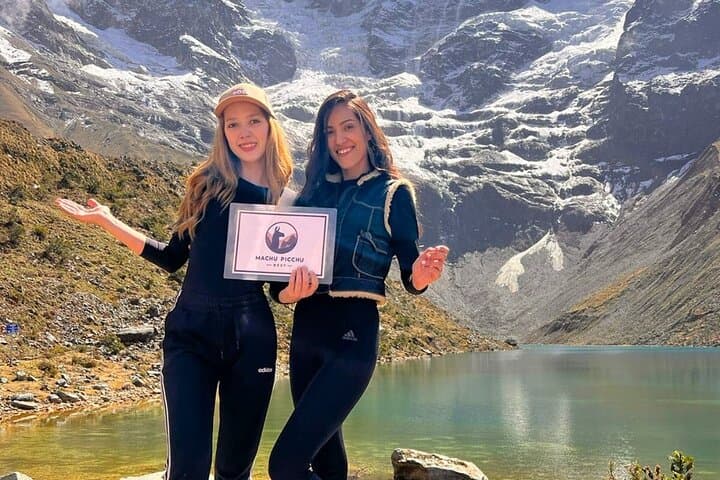
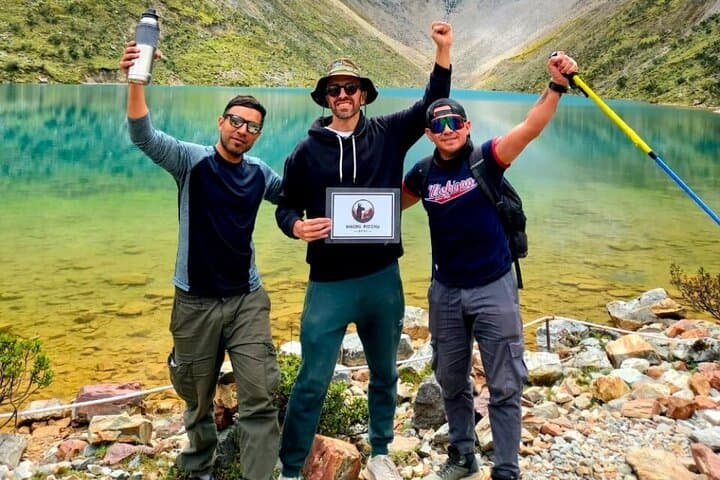
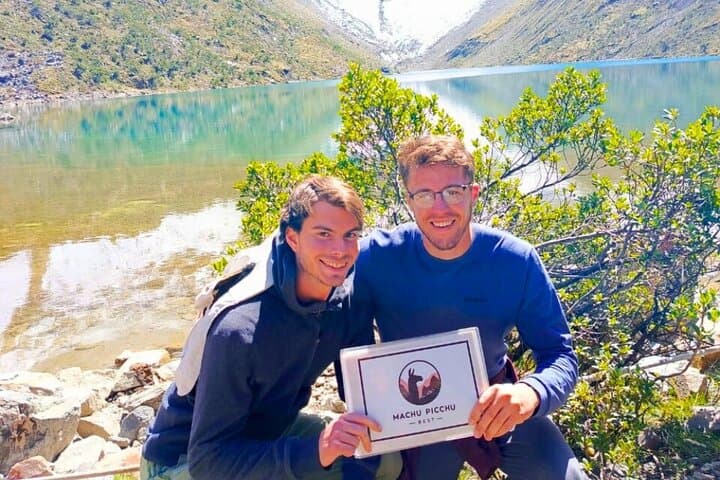
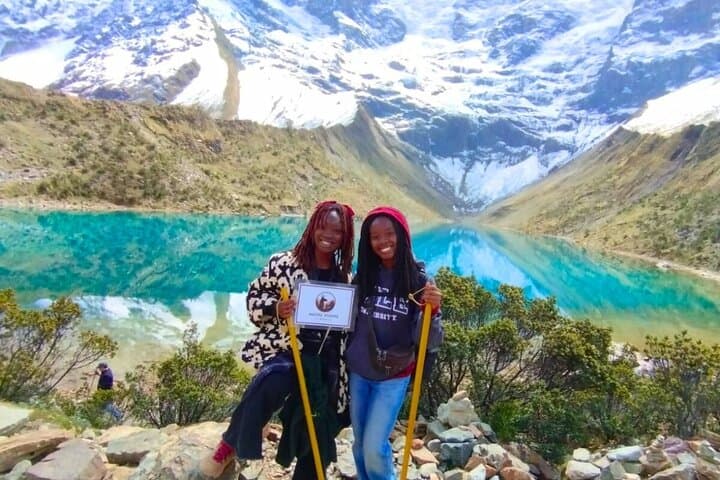
A pale turquoise bowl appears above the puna as the minibus pulls into Soraypampa and the air thins — Humantay Lagoon sits like a bruised jewel beneath jagged glaciers, daring visitors to climb its steep approach. Early light hits the water and the moraine slopes, and pilgrims and trekkers alike leave small stacks of stones and offerings to Pachamama, a living custom woven into the mountain’s modern pilgrimage.
A pale turquoise bowl appears above the puna as the minibus pulls into Soraypampa and the air thins — Humantay Lagoon sits like a bruised jewel beneath jagged glaciers, daring visitors to climb its steep approach. Early light hits the water and the moraine slopes, and pilgrims and trekkers alike leave small stacks of stones and offerings to Pachamama, a living custom woven into the mountain’s modern pilgrimage.
Geologically the lagoon is fed by glacial runoff from the Salkantay massif; its milky color comes from finely ground rock flour suspended in meltwater. Culturally, locals treat Humantay as the younger relative of Apu Salkantay, a sacred mountain in Andean cosmology, and apachetas (stone cairns) mark gratitude and safe passage.
Expect a high-altitude day: most operators run a 12–13 hour door-to-door tour from Cusco that includes a 1–2 hour drivetime each direction and a steep 1–2 hour round-trip hike from the trailhead. Terrain is compacted dirt and loose scree with short steep pitches; elevation at the lake sits above 4,000 m (13,000 ft), so breathing will be noticeably harder.
Practical guidance: acclimatize in Cusco for 24–48 hours, carry 2–3 liters of water, dress in layers for wind and sun, and set a conservative pace uphill. Aim for an early departure to avoid crowds and afternoon weather. Respect local rituals by observing or asking before photographing ceremonies and pack out any non-biodegradable items. With moderate fitness and proper acclimatization, the reward is a sharp, unforgettable Andean vista and a close encounter with high-mountain culture.