THE ADVENTURE COLLECTIVE® · Independent discovery and booking for outdoor travel

A high-altitude day hike from Cusco leads to Laguna Humantay, a glacier-fed turquoise lake beneath the hum of the Humantay glacier. This guide covers what to expect on the trail, cultural context, and practical tips for planning your visit.
A high-altitude day hike from Cusco leads to Laguna Humantay, a glacier-fed turquoise lake beneath the hum of the Humantay glacier. This guide covers what to expect on the trail, cultural context, and practical tips for planning your visit.
Before sunrise a fleet of minibuses threads down the mountain road from Cusco, and by first light the air at Soraypampa is thin and sharp. The trail climbs quickly—stone steps and packed earth switchbacking through puna grass—then opens to a bowl where the Humantay lagoon reveals itself: a slice of glacier-fed turquoise cupped beneath the serrated face of Humantay glacier.
Verified experiences and guided adventures in the surrounding area.
Operated by Machu Picchu Peru Tours · Soraypampa, Cusco Region
Before sunrise a fleet of minibuses threads down the mountain road from Cusco, and by first light the air at Soraypampa is thin and sharp. The trail climbs quickly—stone steps and packed earth switchbacking through puna grass—then opens to a bowl where the Humantay lagoon reveals itself: a slice of glacier-fed turquoise cupped beneath the serrated face of Humantay glacier.
This route sits on the flanks of the Vilcabamba range, a geological seam of uplifted granite and volcanic intrusions carved by ice during the last glacial periods. For centuries the high passes here were watched by Quechua communities who regard Salkantay and its satellites as apus—sacred mountain guardians—so the lake is both a natural spectacle and a place with cultural resonance.
Expect 1.5–2 hours uphill from Soraypampa (about 3.6 km round-trip, ~400–500 m elevation gain depending on start), rocky footing, and thin air—altitude is the real challenge. The lagoon’s color changes with light and weather; wind scours the surface one moment and lies glassy the next. Local guides commonly include the site as a day excursion from Cusco with a simple lunch, first-aid kit, and a steady pace suited to acclimatized hikers.
Practical guidance: acclimatize in Cusco for 24–48 hours first, wear layered clothing and sturdy boots, hydrate proactively, and keep a slow, consistent pace uphill. Photographs are spectacular but linger quietly; the lake’s high-altitude wetlands are fragile and benefit from careful foot traffic and pack-in, pack-out practices.
moderate.
12–14 hours (door-to-door from Cusco).
Good aerobic fitness recommended and prior experience hiking at altitude helps; be comfortable on sustained uphill sections.
Most groups take 1–2 hours uphill to reach the lake depending on fitness and acclimatization; allow extra time for photos and rests.
Yes—Cusco sits above 3,300 m and the trail reaches around 4,200–4,300 m; spending a day or two in Cusco first reduces altitude-related issues.
The trail is steep and at high elevation—older adults or children with good fitness can do it, but take a slow pace and consult a guide if there are health concerns.
Entry to Humantay Lake is typically included in guided tours; independent visitors should check local entrance fee policies at Soraypampa before going.
Humantay sits along traditional Andean travel corridors below the Salkantay massif; local Quechua communities have long regarded nearby peaks as apus (sacred mountains).
The high-altitude wetlands and fragile shoreline are sensitive—stick to trails, avoid single-use plastics, and use local guides who follow Leave No Trace principles.
Machu Picchu Peru Tours operates guided outdoor trips and adventures with an emphasis on safety, stewardship, and memorable experiences.
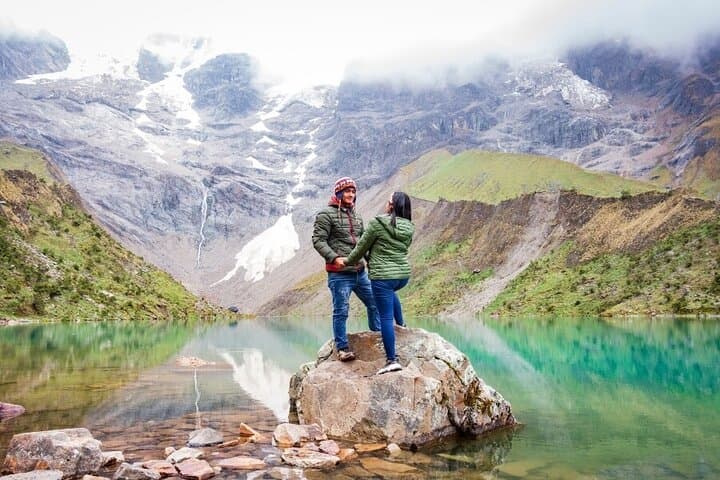
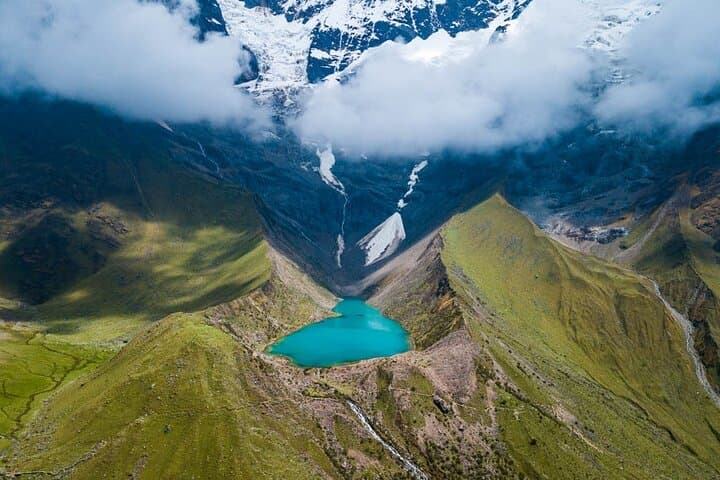
Before sunrise a fleet of minibuses threads down the mountain road from Cusco, and by first light the air at Soraypampa is thin and sharp. The trail climbs quickly—stone steps and packed earth switchbacking through puna grass—then opens to a bowl where the Humantay lagoon reveals itself: a slice of glacier-fed turquoise cupped beneath the serrated face of Humantay glacier.
Before sunrise a fleet of minibuses threads down the mountain road from Cusco, and by first light the air at Soraypampa is thin and sharp. The trail climbs quickly—stone steps and packed earth switchbacking through puna grass—then opens to a bowl where the Humantay lagoon reveals itself: a slice of glacier-fed turquoise cupped beneath the serrated face of Humantay glacier.
This route sits on the flanks of the Vilcabamba range, a geological seam of uplifted granite and volcanic intrusions carved by ice during the last glacial periods. For centuries the high passes here were watched by Quechua communities who regard Salkantay and its satellites as apus—sacred mountain guardians—so the lake is both a natural spectacle and a place with cultural resonance.
Expect 1.5–2 hours uphill from Soraypampa (about 3.6 km round-trip, ~400–500 m elevation gain depending on start), rocky footing, and thin air—altitude is the real challenge. The lagoon’s color changes with light and weather; wind scours the surface one moment and lies glassy the next. Local guides commonly include the site as a day excursion from Cusco with a simple lunch, first-aid kit, and a steady pace suited to acclimatized hikers.
Practical guidance: acclimatize in Cusco for 24–48 hours first, wear layered clothing and sturdy boots, hydrate proactively, and keep a slow, consistent pace uphill. Photographs are spectacular but linger quietly; the lake’s high-altitude wetlands are fragile and benefit from careful foot traffic and pack-in, pack-out practices.