THE ADVENTURE COLLECTIVE® · Independent discovery and booking for outdoor travel

A high-Andes day hike from Soraypampa delivers a compact, steep climb to Humantay’s turquoise basin. This guide covers what to expect—distance, elevation, cultural context and practical tips for a safe, rewarding day trip.
A high-Andes day hike from Soraypampa delivers a compact, steep climb to Humantay’s turquoise basin. This guide covers what to expect—distance, elevation, cultural context and practical tips for a safe, rewarding day trip.
A thin ribbon of road climbs out of Cusco before the bus drops you at Soraypampa, where the air sharpens and the mountains push close. From the saddle the trail peels upward through pasture and talus; minutes later the lake reveals itself in a shock of glacier-fed blue, cupped by serrated moraine and the gray flank of Humantay peak.
Verified experiences and guided adventures in the surrounding area.
Operated by Danzak Peru Travel · Soraypampa, Cusco Region
A thin ribbon of road climbs out of Cusco before the bus drops you at Soraypampa, where the air sharpens and the mountains push close. From the saddle the trail peels upward through pasture and talus; minutes later the lake reveals itself in a shock of glacier-fed blue, cupped by serrated moraine and the gray flank of Humantay peak.
The lake is a recent product of glacial action—the meltwater collects in a cirque carved during the last glacial phases—and it sits at roughly 4,200 m (13,780 ft). The valley has long been part of Quechua life: shepherding, seasonal highland agriculture, and mountain worship remain culturally visible; many local guides will point out traditional offerings and explain mountain (apu) reverence.
Expect a steep, well-trodden path of compacted dirt and loose rock about 1.5–2 km one way with roughly 350–450 m of ascent from Soraypampa. The trail’s short length belies the exertion required at altitude—pace matters more than speed. Weather can shift fast; sun and wind compete and snow appears out of season.
Practical guidance: start early from Cusco to avoid afternoon clouds, carry 2–3 L of water, and layer warm windproof clothing. Footwear with firm ankle support helps on the switchbacks and scree. Guides and park fees are common; many tours include breakfast, transport and lunch.
Humantay rewards compact effort with crisp alpine views and a limpid lake that dares you to stand still and listen—an uncomplicated high-Andes day hike with the altitude as its defining challenge.
moderate.
12 hours (full-day tour with transport).
Requires a moderate level of fitness and ability to hike steep uphill for 1.5–2 km at high altitude; cardiovascular fitness helps.
From Soraypampa the trail is roughly 1.5–2 km one way with about 350–450 m elevation gain; expect 1.5–2 hours ascent depending on pace.
A guide is not strictly required on the trail but most visitors use guided transfers from Cusco for logistics, local knowledge and permit handling.
This tour is not recommended for pregnant travelers and children should be accompanied by adults; the altitude and steep trail are the main concerns.
The dry season (May–September) offers the most stable weather and clearer views; afternoons can still cloud over, so start early.
The area sits within traditional Quechua territory; mountains are treated as sacred apus and local communities maintain pastoral practices and ceremonial offerings.
High‑Andes ecosystems are fragile—stick to trails, pack out waste, and avoid disturbing pasture areas; groups and guides help limit impact by concentrating foot traffic.
Danzak Peru Travel operates guided outdoor trips and adventures with an emphasis on safety, stewardship, and memorable experiences.
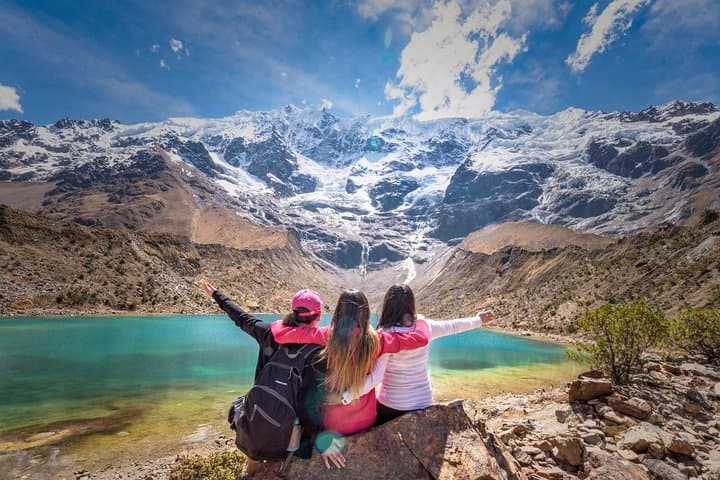


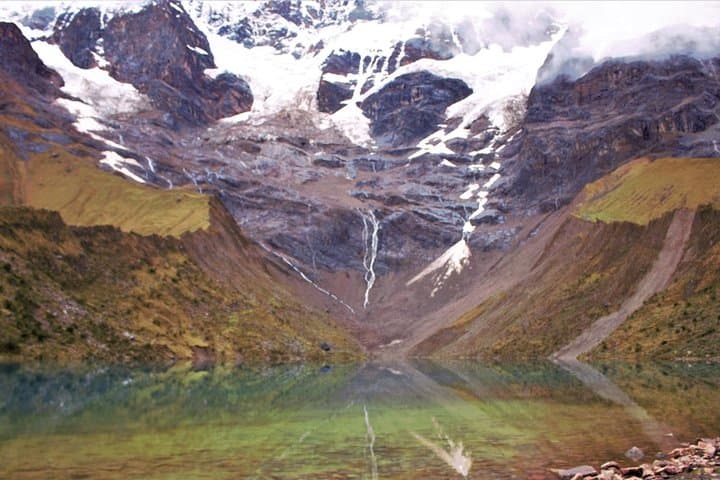
A thin ribbon of road climbs out of Cusco before the bus drops you at Soraypampa, where the air sharpens and the mountains push close. From the saddle the trail peels upward through pasture and talus; minutes later the lake reveals itself in a shock of glacier-fed blue, cupped by serrated moraine and the gray flank of Humantay peak.
A thin ribbon of road climbs out of Cusco before the bus drops you at Soraypampa, where the air sharpens and the mountains push close. From the saddle the trail peels upward through pasture and talus; minutes later the lake reveals itself in a shock of glacier-fed blue, cupped by serrated moraine and the gray flank of Humantay peak.
The lake is a recent product of glacial action—the meltwater collects in a cirque carved during the last glacial phases—and it sits at roughly 4,200 m (13,780 ft). The valley has long been part of Quechua life: shepherding, seasonal highland agriculture, and mountain worship remain culturally visible; many local guides will point out traditional offerings and explain mountain (apu) reverence.
Expect a steep, well-trodden path of compacted dirt and loose rock about 1.5–2 km one way with roughly 350–450 m of ascent from Soraypampa. The trail’s short length belies the exertion required at altitude—pace matters more than speed. Weather can shift fast; sun and wind compete and snow appears out of season.
Practical guidance: start early from Cusco to avoid afternoon clouds, carry 2–3 L of water, and layer warm windproof clothing. Footwear with firm ankle support helps on the switchbacks and scree. Guides and park fees are common; many tours include breakfast, transport and lunch.
Humantay rewards compact effort with crisp alpine views and a limpid lake that dares you to stand still and listen—an uncomplicated high-Andes day hike with the altitude as its defining challenge.