THE ADVENTURE COLLECTIVE® · Independent discovery and booking for outdoor travel

Reach one of the Andes’ brightest high-altitude lakes on a full-day hike from Cusco. This practical guide outlines what to expect on the steep 1.8 km climb, altitude considerations, and the logistics of a long but rewarding day to Humantay Lake.
Reach one of the Andes’ brightest high-altitude lakes on a full-day hike from Cusco. This practical guide outlines what to expect on the steep 1.8 km climb, altitude considerations, and the logistics of a long but rewarding day to Humantay Lake.
Morning light arrives over the high Andes as a convoy leaves Cusco before dawn, the road unfurling toward the Salkantay massif. By the time the bus pulls into Soraypampa the air is thin and sharp; the trail climbs immediately, a steady ascent of switchbacks through puna grasses and broken moraine until the lake opens like a bright coin beneath the glacier.
Verified experiences and guided adventures in the surrounding area.
Operated by Ali Peru Treks - Travel Agency · Cusco, Cusco Region
Morning light arrives over the high Andes as a convoy leaves Cusco before dawn, the road unfurling toward the Salkantay massif. By the time the bus pulls into Soraypampa the air is thin and sharp; the trail climbs immediately, a steady ascent of switchbacks through puna grasses and broken moraine until the lake opens like a bright coin beneath the glacier.
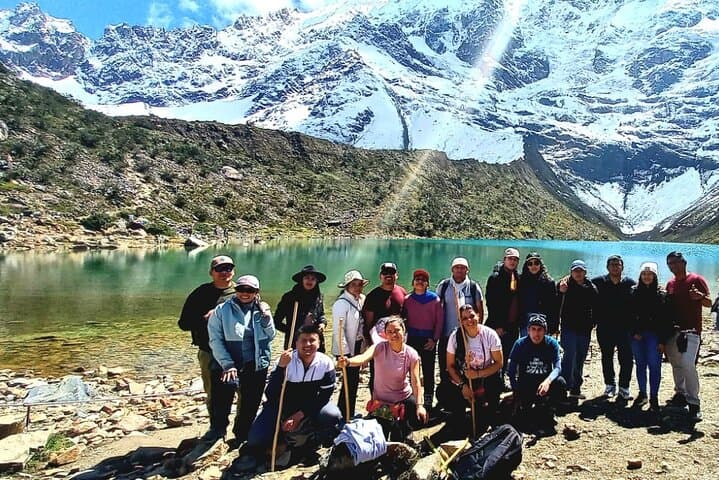
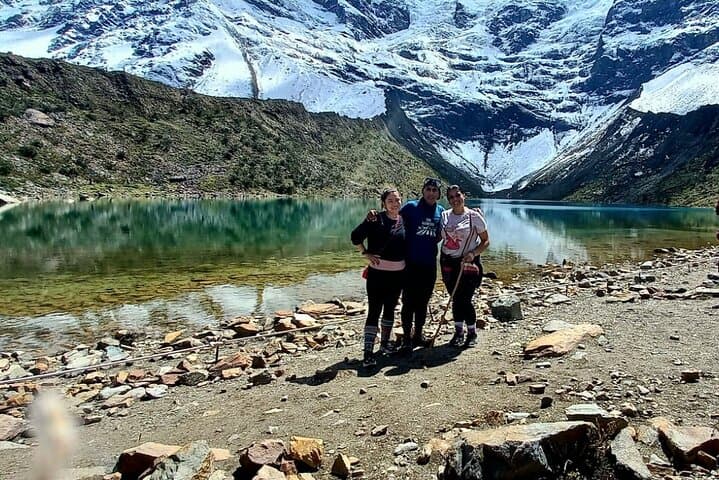
Humantay (Laguna Humantay) sits at roughly 4,200 m.a.s.l., fed by snowmelt from the Salkantay range. The basin is glacial in origin; moraine and talus frame the turquoise water, and the surrounding peaks bear the slow work of frost and ice. Local Quechua communities have long regarded these high lakes as apus—sacred mountain spirits—so many guides pause for a small offering to Pachamama before photos and snacks.
Expect a vigorous uphill: roughly 1.8 km one-way and about 350–450 m of elevation gain depending on the exact trailhead, on rocky, sometimes loose terrain. Weather changes fast at altitude—sun, wind, and snow can all turn up in a single afternoon. Wildlife is subtle here: birds wheel along ridgelines, and hardy Andean plants dot the slope.
Practical: tours typically pick up very early in Cusco, include breakfast, round-trip transport, guide, entrance fee and lunch, and return late afternoon. Bring layers, sun protection, a filled water bottle, and go slowly on climbs to manage altitude. Moderate fitness and some high-altitude experience make the day far more enjoyable; otherwise allow extra time and heed your guide.
moderate.
10–13 hours.
Good aerobic fitness and comfort hiking on steep, rocky trails at high altitude; prior acclimatization recommended
The trail is roughly 1.5–2 km one-way (about 3.0–4.0 km round-trip) with steep switchbacks; most visitors take 1–1.5 hours to climb and 45–60 minutes to descend.
Yes—Humantay sits near 4,200 m. Spend time in Cusco beforehand, hydrate, ascend slowly, and inform your guide of any symptoms; many tours carry oxygen and basic medical kits.
Facilities are minimal: expect no permanent restrooms on the hillside and limited shelter—use facilities in Soraypampa or the trailhead before starting the ascent.
Physically active children and older travelers who are acclimatized can manage the hike, but the steep climb and high altitude make it unsuitable for those with serious heart, spinal, or pregnancy concerns.
The lake sits within a landscape long held sacred by Quechua communities; high Andean lakes were historically offerings sites and remain culturally significant.
High-altitude ecosystems are fragile—stick to trails, avoid leaving waste, and support local guides who practice low-impact tourism.
Ali Peru Treks - Travel Agency operates guided outdoor trips and adventures with an emphasis on safety, stewardship, and memorable experiences.


Morning light arrives over the high Andes as a convoy leaves Cusco before dawn, the road unfurling toward the Salkantay massif. By the time the bus pulls into Soraypampa the air is thin and sharp; the trail climbs immediately, a steady ascent of switchbacks through puna grasses and broken moraine until the lake opens like a bright coin beneath the glacier.
Morning light arrives over the high Andes as a convoy leaves Cusco before dawn, the road unfurling toward the Salkantay massif. By the time the bus pulls into Soraypampa the air is thin and sharp; the trail climbs immediately, a steady ascent of switchbacks through puna grasses and broken moraine until the lake opens like a bright coin beneath the glacier.
Humantay (Laguna Humantay) sits at roughly 4,200 m.a.s.l., fed by snowmelt from the Salkantay range. The basin is glacial in origin; moraine and talus frame the turquoise water, and the surrounding peaks bear the slow work of frost and ice. Local Quechua communities have long regarded these high lakes as apus—sacred mountain spirits—so many guides pause for a small offering to Pachamama before photos and snacks.
Expect a vigorous uphill: roughly 1.8 km one-way and about 350–450 m of elevation gain depending on the exact trailhead, on rocky, sometimes loose terrain. Weather changes fast at altitude—sun, wind, and snow can all turn up in a single afternoon. Wildlife is subtle here: birds wheel along ridgelines, and hardy Andean plants dot the slope.
Practical: tours typically pick up very early in Cusco, include breakfast, round-trip transport, guide, entrance fee and lunch, and return late afternoon. Bring layers, sun protection, a filled water bottle, and go slowly on climbs to manage altitude. Moderate fitness and some high-altitude experience make the day far more enjoyable; otherwise allow extra time and heed your guide.