THE ADVENTURE COLLECTIVE® · Independent discovery and booking for outdoor travel

A high-altitude day hike from Cusco to Humantay Lake takes you through Andean grasslands to a glacially carved turquoise lagoon beneath Salkantay. This practical guide outlines what to expect—terrain, timing, and how to prepare for the altitude and weather.
A high-altitude day hike from Cusco to Humantay Lake takes you through Andean grasslands to a glacially carved turquoise lagoon beneath Salkantay. This practical guide outlines what to expect—terrain, timing, and how to prepare for the altitude and weather.
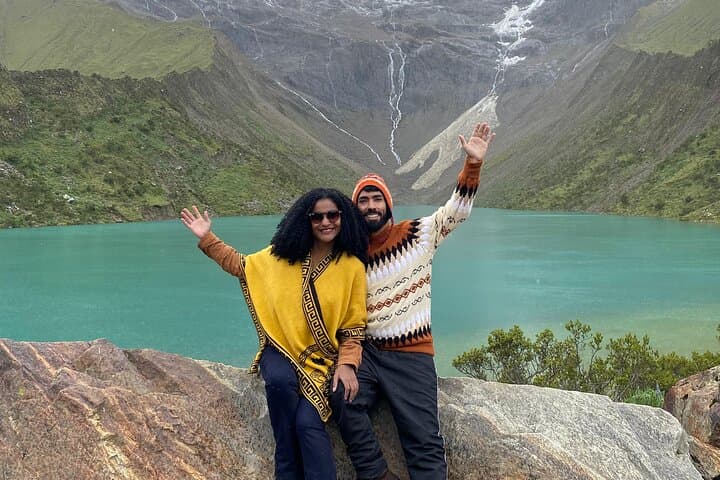
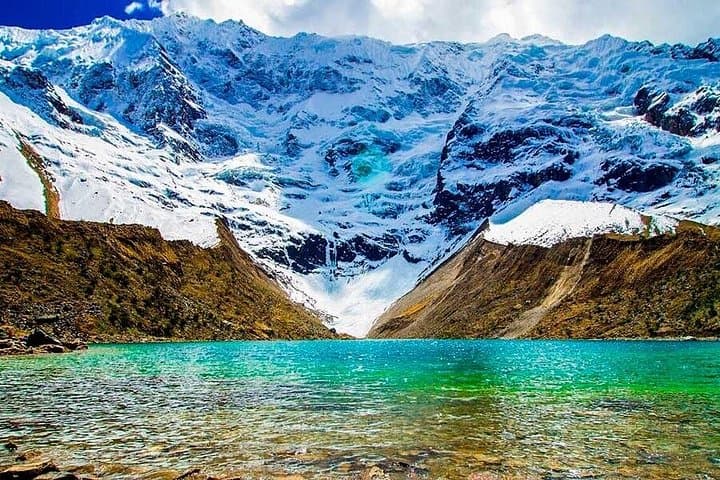
A thin light arrives over the Salkantay massif as the van drops you in Mollepata before dawn. The road climbs into puna grasslands and after Soraypampa a compacted trail angles upward through scrub and moraine toward a bowl of shocking blue—Laguna Humantay. The air is sharp at 4,250 m; breath shortens, footsteps slow, and the lake holds you with an almost stubborn calm.
Verified experiences and guided adventures in the surrounding area.
Operated by Amaru Explorer Peru · Soraypampa, Cusco
A thin light arrives over the Salkantay massif as the van drops you in Mollepata before dawn. The road climbs into puna grasslands and after Soraypampa a compacted trail angles upward through scrub and moraine toward a bowl of shocking blue—Laguna Humantay. The air is sharp at 4,250 m; breath shortens, footsteps slow, and the lake holds you with an almost stubborn calm.
Geology here reads like a book of ice and uplift: glacial scouring carved the cirque that cradles Humantay, while the flanks of Salkantay—an Apu in local Quechua tradition—loom as a granite-and-schist backdrop. Indigenous communities have long regarded these peaks as sacred; many guided groups include a brief offering ceremony to the Apus, a living cultural practice that ties landscape and ritual.
Expect a sustained uphill that takes roughly 1–1.5 hours from Soraypampa on a 3–4 km trail with 350–450 m of elevation gain. The single-track is rockier higher up, sometimes muddy in the rainy season; crampon-free but traction matters. Weather shifts quickly: sun, wind, and sleet can arrive within an hour.
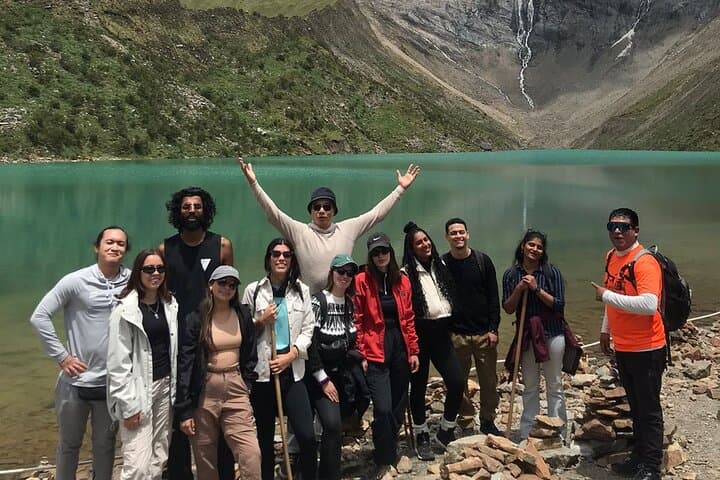
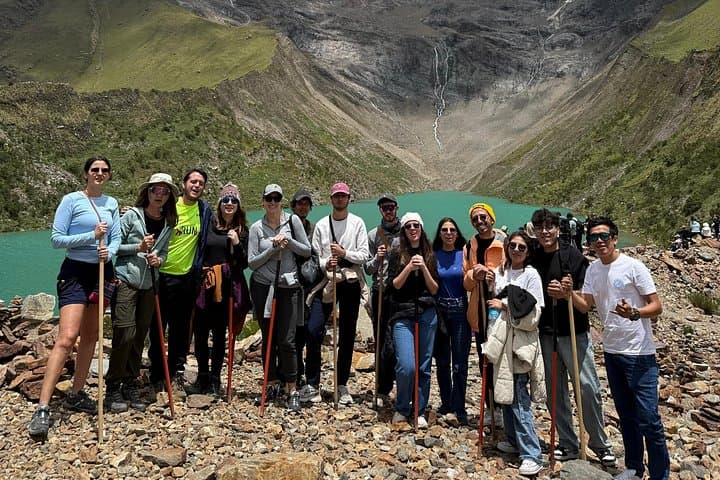
Practical guidance: start early to avoid crowds and afternoon storms, sip water frequently to help with altitude, and layer for rapid temperature swings. Guides usually include breakfast, trekking poles and lunch; carry snacks, sunscreen, and a light first-aid kit. Photography windows are best in the morning when reflections and light on the moraine are clearest. The route rewards steady pacing more than speed—arrive fit, respect the high Andes, and Humantay will repay you with a rare clear-blue stillness.
moderate.
10–12 hours.
Good aerobic fitness and experience with sustained uphill walking at altitude; ability to hike 3–5 hours with breaks.
The trail is roughly 3–4 km one way and typically takes 1 to 1.5 hours to ascend depending on fitness and altitude acclimatization.
Trekking poles are recommended for balance and joint relief; sturdy hiking boots with good tread are advised, especially in wet conditions.
Yes—Humantay sits at about 4,250 m; prior acclimatization, slow pacing, hydration, and awareness of symptoms are important. Guides can advise on basic remedies and descent if needed.
Most small-group day tours include hotel pickup in Cusco, breakfast, lunch, and entrance fees; confirm details with the operator before booking.
The area sits within the ancestral lands of Quechua-speaking communities and Salkantay is an Apu—an honored mountain in Andean spiritual life—linked to pre-Columbian and living rituals.
Trails can erode during the rainy season; stick to established paths, pack out waste, and support operators who limit group sizes to reduce impact.
Amaru Explorer Peru operates guided outdoor trips and adventures with an emphasis on safety, stewardship, and memorable experiences.
A thin light arrives over the Salkantay massif as the van drops you in Mollepata before dawn. The road climbs into puna grasslands and after Soraypampa a compacted trail angles upward through scrub and moraine toward a bowl of shocking blue—Laguna Humantay. The air is sharp at 4,250 m; breath shortens, footsteps slow, and the lake holds you with an almost stubborn calm.
A thin light arrives over the Salkantay massif as the van drops you in Mollepata before dawn. The road climbs into puna grasslands and after Soraypampa a compacted trail angles upward through scrub and moraine toward a bowl of shocking blue—Laguna Humantay. The air is sharp at 4,250 m; breath shortens, footsteps slow, and the lake holds you with an almost stubborn calm.
Geology here reads like a book of ice and uplift: glacial scouring carved the cirque that cradles Humantay, while the flanks of Salkantay—an Apu in local Quechua tradition—loom as a granite-and-schist backdrop. Indigenous communities have long regarded these peaks as sacred; many guided groups include a brief offering ceremony to the Apus, a living cultural practice that ties landscape and ritual.
Expect a sustained uphill that takes roughly 1–1.5 hours from Soraypampa on a 3–4 km trail with 350–450 m of elevation gain. The single-track is rockier higher up, sometimes muddy in the rainy season; crampon-free but traction matters. Weather shifts quickly: sun, wind, and sleet can arrive within an hour.
Practical guidance: start early to avoid crowds and afternoon storms, sip water frequently to help with altitude, and layer for rapid temperature swings. Guides usually include breakfast, trekking poles and lunch; carry snacks, sunscreen, and a light first-aid kit. Photography windows are best in the morning when reflections and light on the moraine are clearest. The route rewards steady pacing more than speed—arrive fit, respect the high Andes, and Humantay will repay you with a rare clear-blue stillness.