THE ADVENTURE COLLECTIVE® · Independent discovery and booking for outdoor travel

A long, early-day drive from Cusco ends with a short but steep climb to Humantay Lake — a vivid glacial pool beneath Salkantay. This small-group day trip balances accessible hiking with alpine scenery and cultural stops en route.
A long, early-day drive from Cusco ends with a short but steep climb to Humantay Lake — a vivid glacial pool beneath Salkantay. This small-group day trip balances accessible hiking with alpine scenery and cultural stops en route.
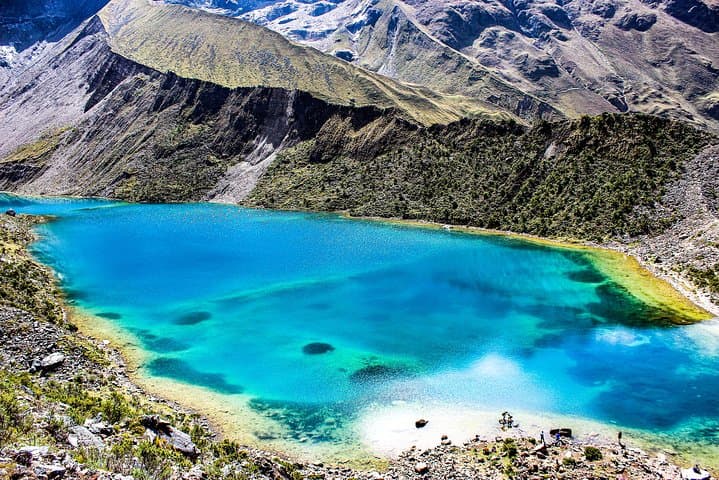
Before dawn a private van eases out of Cusco and the road unwinds toward the high pastures of the Apurímac valley. By midmorning you stand at Soraypampa (≈4,000 m), the air thin and sharp, and the trail narrows into a steady climb that pushes you up through grasslands and scree toward a bowl of vivid blue: Humantay Lake.
Verified experiences and guided adventures in the surrounding area.
Operated by Machupicchu Latin America · Cusco, Cusco
Before dawn a private van eases out of Cusco and the road unwinds toward the high pastures of the Apurímac valley. By midmorning you stand at Soraypampa (≈4,000 m), the air thin and sharp, and the trail narrows into a steady climb that pushes you up through grasslands and scree toward a bowl of vivid blue: Humantay Lake.
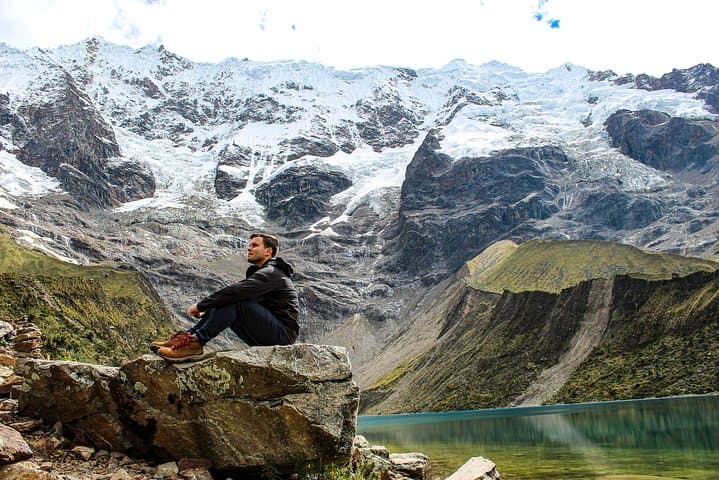
The lake is a glacial tarn fed by the melt of Humantay Glacier beneath the Salkantay massif, one of the region's dominant peaks and an Apu in local Quechua belief. The route follows terrain shaped by ice and time — moraines, compacted volcanic soils and exposed rock — and offers views that explain why the Salkantay corridor has been a travel route since pre-Inca eras. Local communities around Mollepata and Soraypampa maintain grazing lands and small roadside markets where traditional textiles and snacks are available.
Practically, expect a 300–350 m ascent from the trailhead to the lake over roughly 1.5 hours on a well-defined, often rocky path. Total hiking time is about 3 hours round trip; the full excursion including transport, meals, and stops runs 12–14 hours. Altitude is the defining factor — move slowly, drink water, and give yourself time to acclimatize in Cusco before the day.
Bring layered clothing for sun, wind and freezing temps near the lake, sturdy boots for uneven footing, and a camera with spare batteries (cold drains power fast). The payoff is immediate: a compact alpine lake whose color and setting make the climb feel both purposeful and elemental.
moderate.
12–14 hours (total trip); ~3 hours hiking.
Should have moderate fitness: able to sustain 300–350 m of uphill over 1.5 hours at high altitude.
The lake sits near 4,300 m (≈14,100 ft). Expect about 1.5 hours uphill from Soraypampa and 1.5 hours back, with the full tour (transport, meals) taking 12–14 hours.
Yes — altitude is the main issue. Acclimatize in Cusco for 24–48 hours, hydrate, avoid alcohol the night before, and inform your guide of any symptoms.
The operator requires a minimum age of 8; consider each child’s prior experience at altitude and fitness before booking.
Small-group transport, bottled water, breakfast stop, a packed or cooked lunch, and a professional guide are typically included.
The Salkantay corridor was a pre-Columbian route connecting highland communities and sits adjacent to Inca pathways toward Machu Picchu; nearby villages retain Quechua language and customs.
The area is fragile alpine tundra; stick to established trails, pack out waste, and avoid disturbing wildlife or touching the glacier-fed shoreline.
Machupicchu Latin America operates guided outdoor trips and adventures with an emphasis on safety, stewardship, and memorable experiences.


Before dawn a private van eases out of Cusco and the road unwinds toward the high pastures of the Apurímac valley. By midmorning you stand at Soraypampa (≈4,000 m), the air thin and sharp, and the trail narrows into a steady climb that pushes you up through grasslands and scree toward a bowl of vivid blue: Humantay Lake.
Before dawn a private van eases out of Cusco and the road unwinds toward the high pastures of the Apurímac valley. By midmorning you stand at Soraypampa (≈4,000 m), the air thin and sharp, and the trail narrows into a steady climb that pushes you up through grasslands and scree toward a bowl of vivid blue: Humantay Lake.
The lake is a glacial tarn fed by the melt of Humantay Glacier beneath the Salkantay massif, one of the region's dominant peaks and an Apu in local Quechua belief. The route follows terrain shaped by ice and time — moraines, compacted volcanic soils and exposed rock — and offers views that explain why the Salkantay corridor has been a travel route since pre-Inca eras. Local communities around Mollepata and Soraypampa maintain grazing lands and small roadside markets where traditional textiles and snacks are available.
Practically, expect a 300–350 m ascent from the trailhead to the lake over roughly 1.5 hours on a well-defined, often rocky path. Total hiking time is about 3 hours round trip; the full excursion including transport, meals, and stops runs 12–14 hours. Altitude is the defining factor — move slowly, drink water, and give yourself time to acclimatize in Cusco before the day.
Bring layered clothing for sun, wind and freezing temps near the lake, sturdy boots for uneven footing, and a camera with spare batteries (cold drains power fast). The payoff is immediate: a compact alpine lake whose color and setting make the climb feel both purposeful and elemental.