THE ADVENTURE COLLECTIVE® · Independent discovery and booking for outdoor travel

A pre-dawn transfer from Cusco leads to a steep 1–1.5 hour ascent to a glacial turquoise lake beneath Salkantay. This one-day high-altitude hike rewards effort with vivid views and cultural context tied to Inca reverence for the apus.
A pre-dawn transfer from Cusco leads to a steep 1–1.5 hour ascent to a glacial turquoise lake beneath Salkantay. This one-day high-altitude hike rewards effort with vivid views and cultural context tied to Inca reverence for the apus.
You leave Cusco before dawn, the city lights shrinking as the bus threads down into the Apurímac valley. Mountain air sharpens with altitude; by Soraypampa (≈3,900 m) the sky is thin and bright. The trail climbs steep, rocky switchbacks through puna grass and stunted shrubs, the snow-capped mass of Salkantay watching like an old guardian. Humantay Lake appears suddenly — a bowl of glacial turquoise cupped beneath serrated ridgelines — and the climb’s effort falls away against that colour and space.
Verified experiences and guided adventures in the surrounding area.
Operated by Willka Travel · Cusco, Cusco
You leave Cusco before dawn, the city lights shrinking as the bus threads down into the Apurímac valley. Mountain air sharpens with altitude; by Soraypampa (≈3,900 m) the sky is thin and bright. The trail climbs steep, rocky switchbacks through puna grass and stunted shrubs, the snow-capped mass of Salkantay watching like an old guardian. Humantay Lake appears suddenly — a bowl of glacial turquoise cupped beneath serrated ridgelines — and the climb’s effort falls away against that colour and space.
The route follows trails used for centuries by Andean communities and sits in the shadow of Apu Salkantay, an important mountain spirit in Inca cosmology. Geologically, the lake is a glacial cirque fed by seasonal melt; the surrounding moraine and talus tell of repeated ice advances and retreats. Local muleteers, highland farmers, and small villages in Mollepata maintain the pastoral culture visitors glimpse during stops.
Practically: the hike gains roughly 300 m to 4,200 m (≈13,780 ft) and covers about 3 km round trip on steep, rocky footing—expect 1–1.5 hours up depending on pace and acclimatization. Guides usually provide breakfast, entrance fees, and a boxed or buffet lunch back in Mollepata. Hydrate well the day before, move deliberately on the ascent, and allow time at the lake for photos and rest.
This is a one-day, high-altitude outing best done after 1–2 days in Cusco to acclimatize; riders are available for part of the climb but not recommended as a substitute for proper acclimation.
moderate.
14 hours (full-day).
Moderate aerobic fitness; ability to hike uphill for 1–1.5 hours at high altitude
The trail is short but steep; most people complete the ascent in 1–1.5 hours. Altitude is the main challenge rather than technical difficulty.
Yes—spend at least 24–48 hours in Cusco doing light activity to lower risk of altitude sickness before attempting the hike.
Horses are often available for purchase locally for part of the ascent, but they do not eliminate altitude stress and availability can vary by operator.
Basic toilets and small food stalls are usually at Soraypampa; beyond that, facilities are minimal—plan accordingly.
Humantay and Salkantay are part of landscapes long held as sacred by local Quechua communities; mountains (apus) were central to Inca ritual and local cosmology.
The alpine lake sits in a fragile glacial environment—stick to paths, pack out waste, and avoid disturbing water sources to protect meltwater and vegetation.
Willka Travel operates guided outdoor trips and adventures with an emphasis on safety, stewardship, and memorable experiences.
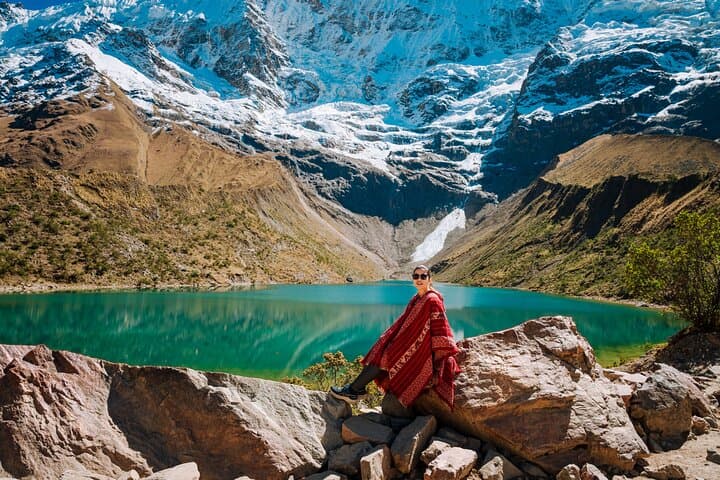
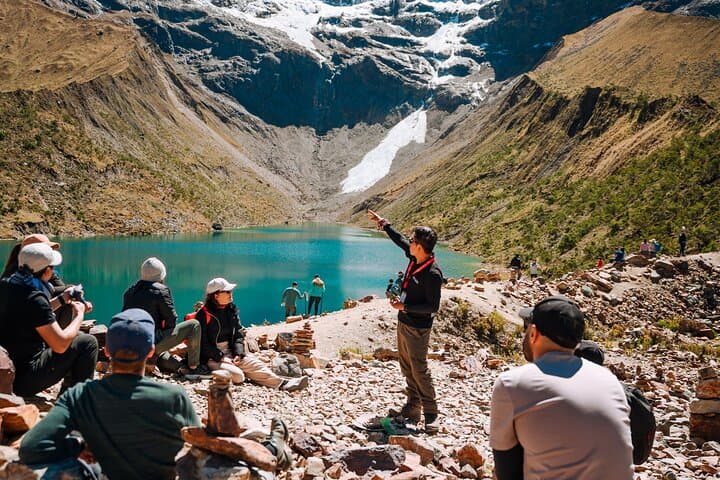
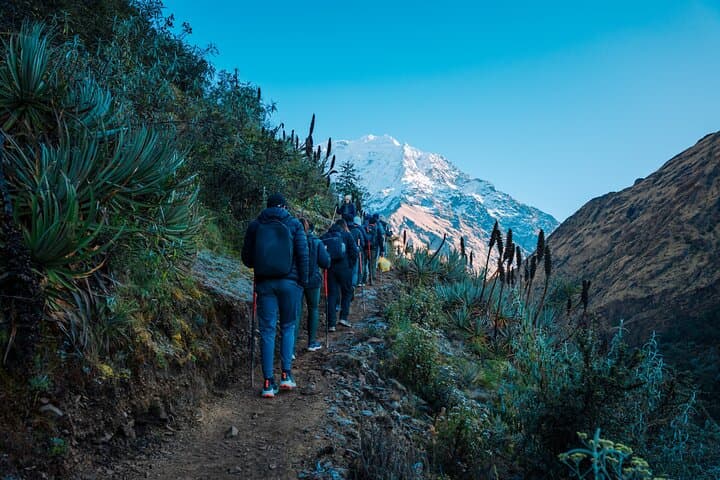
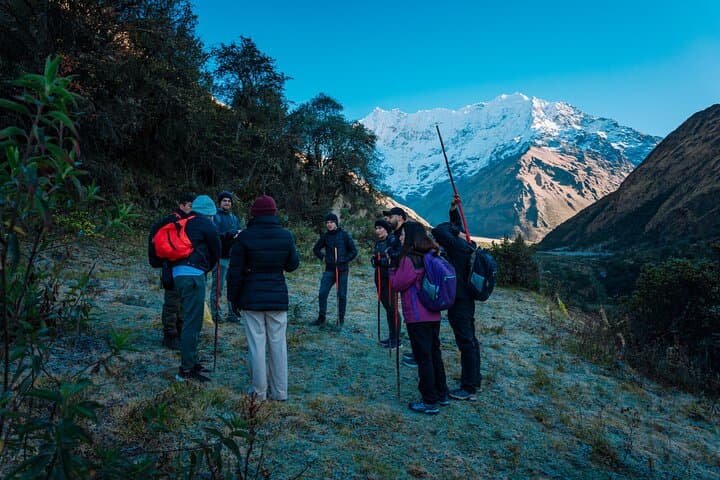
You leave Cusco before dawn, the city lights shrinking as the bus threads down into the Apurímac valley. Mountain air sharpens with altitude; by Soraypampa (≈3,900 m) the sky is thin and bright. The trail climbs steep, rocky switchbacks through puna grass and stunted shrubs, the snow-capped mass of Salkantay watching like an old guardian. Humantay Lake appears suddenly — a bowl of glacial turquoise cupped beneath serrated ridgelines — and the climb’s effort falls away against that colour and space.
You leave Cusco before dawn, the city lights shrinking as the bus threads down into the Apurímac valley. Mountain air sharpens with altitude; by Soraypampa (≈3,900 m) the sky is thin and bright. The trail climbs steep, rocky switchbacks through puna grass and stunted shrubs, the snow-capped mass of Salkantay watching like an old guardian. Humantay Lake appears suddenly — a bowl of glacial turquoise cupped beneath serrated ridgelines — and the climb’s effort falls away against that colour and space.
The route follows trails used for centuries by Andean communities and sits in the shadow of Apu Salkantay, an important mountain spirit in Inca cosmology. Geologically, the lake is a glacial cirque fed by seasonal melt; the surrounding moraine and talus tell of repeated ice advances and retreats. Local muleteers, highland farmers, and small villages in Mollepata maintain the pastoral culture visitors glimpse during stops.
Practically: the hike gains roughly 300 m to 4,200 m (≈13,780 ft) and covers about 3 km round trip on steep, rocky footing—expect 1–1.5 hours up depending on pace and acclimatization. Guides usually provide breakfast, entrance fees, and a boxed or buffet lunch back in Mollepata. Hydrate well the day before, move deliberately on the ascent, and allow time at the lake for photos and rest.
This is a one-day, high-altitude outing best done after 1–2 days in Cusco to acclimatize; riders are available for part of the climb but not recommended as a substitute for proper acclimation.