THE ADVENTURE COLLECTIVE® · Independent discovery and booking for outdoor travel

An early-morning transfer from Cusco leads to a brisk, high-altitude hike to Humantay Lake. Expect dramatic turquoise water, glacial geology and an all-day itinerary that demands acclimatization and solid footwear.
An early-morning transfer from Cusco leads to a brisk, high-altitude hike to Humantay Lake. Expect dramatic turquoise water, glacial geology and an all-day itinerary that demands acclimatization and solid footwear.
Morning light slides across puna grass as the van climbs out of Cusco—air thinning, peaks growing in height until you stand at Soraypampa and the lagoon finally appears like a cut of sky. The trail to Humantay Lake is compact but uncompromising: about 1–1.5 hours of steady ascent to 4,250 m (13,940 ft) set against the hulking presence of Apu Salkantay.
Verified experiences and guided adventures in the surrounding area.
Operated by Sun Paths · Cusco, Cusco
Morning light slides across puna grass as the van climbs out of Cusco—air thinning, peaks growing in height until you stand at Soraypampa and the lagoon finally appears like a cut of sky. The trail to Humantay Lake is compact but uncompromising: about 1–1.5 hours of steady ascent to 4,250 m (13,940 ft) set against the hulking presence of Apu Salkantay.
Geologically the lake sits in a glacial cirque, its color a striking turquoise from finely ground rock flour suspended in meltwater. Culturally the Salkantay massif is an Apu—an honored mountain in Quechua cosmology—so visitors should approach with quiet respect. The route crosses high Andean grassland and loose moraine; scattered archaeological terraces and small Quechua hamlets recall centuries of pastoral life.
Practically, this is a long day: hotel pickup before sunrise, a breakfast stop in Mollepata, the uphill walk from Soraypampa, time at the lagoon, then return and a late-afternoon arrival in Cusco. Expect 12–13 hours total with roughly 1.5 hours hiking each way; the elevation is the main challenge rather than technical terrain. Guides commonly carry oxygen, canes and first aid; groups are typically small (under 15).
Plan for strong sun, cold wind at the rim, and rapid weather shifts. Hydrate and eat early, use layered clothing and sturdy boots, and move at a steady cadence to manage altitude. If you want photo-perfect reflections, aim for clear mornings; if rain comes, trails get slick but the colors intensify. Humantay is short in distance and high in consequence—rewarding, immediate, and thoroughly Andean.
moderate.
12–13 hours.
Moderate endurance and ability to hike uphill at high altitude; not suitable for those with serious heart or respiratory issues
The uphill walk from Soraypampa to the lake takes about 1–1.5 hours each way; total tour time including transport is roughly 12–13 hours.
Water is glacial and extremely cold—while some groups report brief dips, it’s generally not recommended; hypothermia risk is real at that altitude.
Most operators carry first-aid kits and supplemental oxygen; guides are trained to assist with altitude-related symptoms but prevention is best (rest, hydration).
The dry season (May–September) offers the most stable weather and clear views; the rainy season (Nov–Apr) brings slick trails and limited visibility.
Humantay sits on the slopes of the Salkantay massif, long regarded by local Quechua communities as an Apu (sacred mountain); glacial action carved the basin that holds the lake.
Heavy day-tour traffic stresses fragile high‑altitude soils—stick to established trails, pack out trash and avoid trampling vegetation to reduce impact.
Sun Paths operates guided outdoor trips and adventures with an emphasis on safety, stewardship, and memorable experiences.
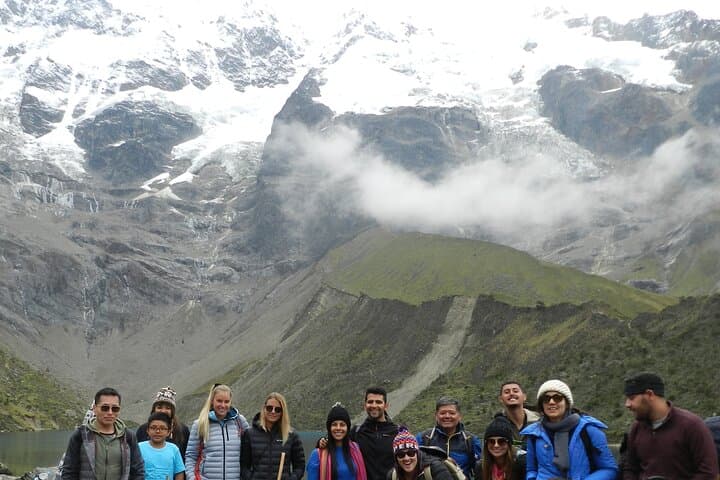
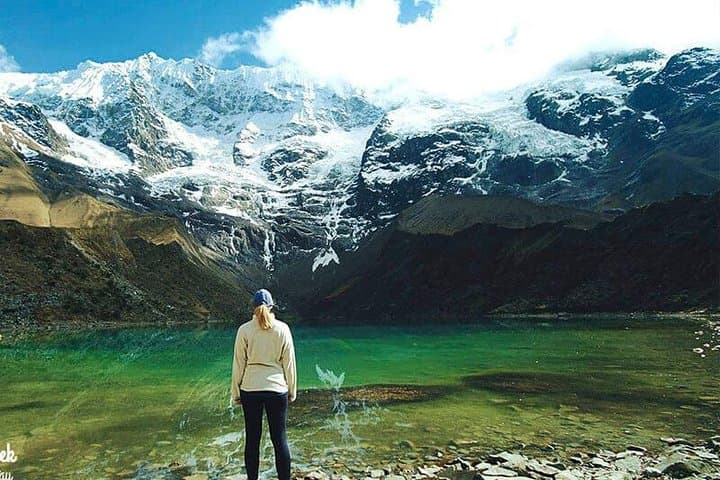
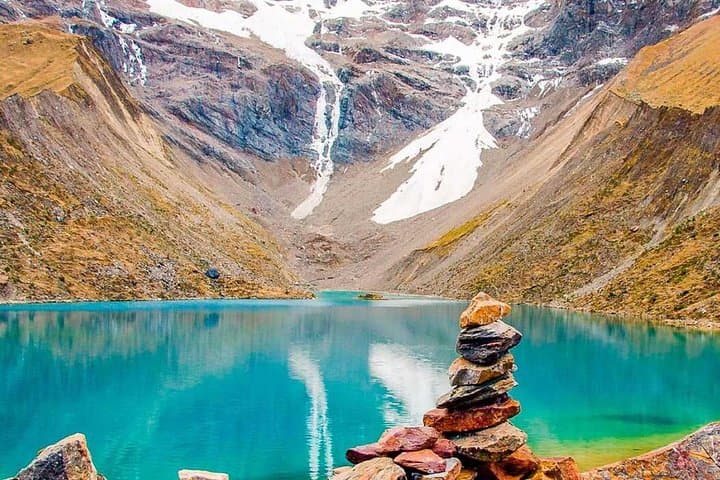
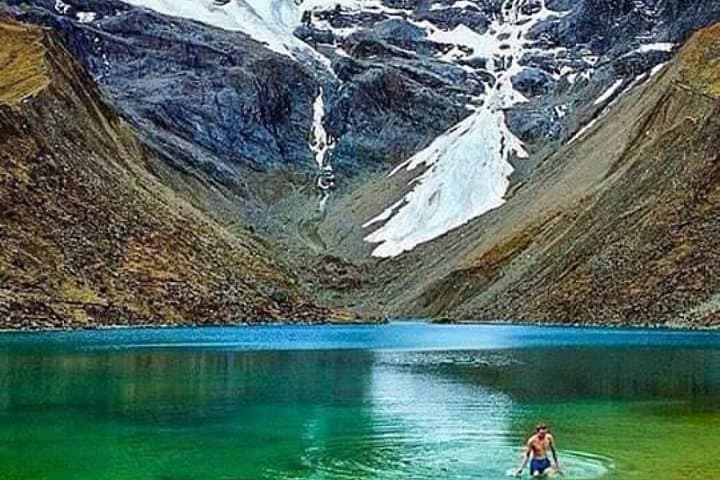
Morning light slides across puna grass as the van climbs out of Cusco—air thinning, peaks growing in height until you stand at Soraypampa and the lagoon finally appears like a cut of sky. The trail to Humantay Lake is compact but uncompromising: about 1–1.5 hours of steady ascent to 4,250 m (13,940 ft) set against the hulking presence of Apu Salkantay.
Morning light slides across puna grass as the van climbs out of Cusco—air thinning, peaks growing in height until you stand at Soraypampa and the lagoon finally appears like a cut of sky. The trail to Humantay Lake is compact but uncompromising: about 1–1.5 hours of steady ascent to 4,250 m (13,940 ft) set against the hulking presence of Apu Salkantay.
Geologically the lake sits in a glacial cirque, its color a striking turquoise from finely ground rock flour suspended in meltwater. Culturally the Salkantay massif is an Apu—an honored mountain in Quechua cosmology—so visitors should approach with quiet respect. The route crosses high Andean grassland and loose moraine; scattered archaeological terraces and small Quechua hamlets recall centuries of pastoral life.
Practically, this is a long day: hotel pickup before sunrise, a breakfast stop in Mollepata, the uphill walk from Soraypampa, time at the lagoon, then return and a late-afternoon arrival in Cusco. Expect 12–13 hours total with roughly 1.5 hours hiking each way; the elevation is the main challenge rather than technical terrain. Guides commonly carry oxygen, canes and first aid; groups are typically small (under 15).
Plan for strong sun, cold wind at the rim, and rapid weather shifts. Hydrate and eat early, use layered clothing and sturdy boots, and move at a steady cadence to manage altitude. If you want photo-perfect reflections, aim for clear mornings; if rain comes, trails get slick but the colors intensify. Humantay is short in distance and high in consequence—rewarding, immediate, and thoroughly Andean.