THE ADVENTURE COLLECTIVE® · Independent discovery and booking for outdoor travel

A brisk mountain hike from Soraypampa delivers one of Peru’s most vivid high‑altitude lakes: Humantay’s clear turquoise basin backed by snowy peaks. This practical guide covers what to expect, how to prepare, and local context for a safe, memorable day trip from Cusco.
A brisk mountain hike from Soraypampa delivers one of Peru’s most vivid high‑altitude lakes: Humantay’s clear turquoise basin backed by snowy peaks. This practical guide covers what to expect, how to prepare, and local context for a safe, memorable day trip from Cusco.
A cold wind from the snowfields hits your face before the lake appears: first a slit of bright blue between moraine and ridge, then the full sheet of Humantay, a high-altitude mirror that seems to hold the mountain in its own color. You arrive at Soraypampa after a predawn drive through Andean farmland; the trail climbs through scrub and native ichu grass, each step thinning the air until the turquoise water dominates the bowl below Humantay peak.
Verified experiences and guided adventures in the surrounding area.
Operated by Woow Perú Travel · Soraypampa, Cusco
A cold wind from the snowfields hits your face before the lake appears: first a slit of bright blue between moraine and ridge, then the full sheet of Humantay, a high-altitude mirror that seems to hold the mountain in its own color. You arrive at Soraypampa after a predawn drive through Andean farmland; the trail climbs through scrub and native ichu grass, each step thinning the air until the turquoise water dominates the bowl below Humantay peak.
Geology here is blunt and immediate — glacial melt carved the basin and left fine rock flour that refracts light into the lake’s intense hue. The Vilcabamba range and nearby Salkantay have been travel routes and sacred places for Quechua communities for centuries; rituals and offerings to the mountains (apus) remain part of local life. Expect talk from guides about traditional uses of the landscape and a straightforward explanation of how altitude and season shape what you see.
Practically: the round-trip walk from Soraypampa is short but steep—plan for 1–1.5 hours up and a similar descent, embedded in a 5–6 hour door-to-door excursion from Cusco. Acclimatize in the city for a day or two, carry 1.5–2L water, layered clothes, and sun protection. The trail is rocky and can be muddy after rain; poles help. Photography windows are best mid-morning when wind eases and light brings out the lake’s color. Respect local rules: stay on the path, pack out trash, and keep offerings and sacred sites undisturbed.
moderate.
5–6 hours.
Should be in good aerobic condition and acclimatized to ~3,900–4,200 m; able to hike uphill for 60–90 minutes.
The trail is roughly 2–3 km each way; expect 60–90 minutes uphill depending on fitness and acclimatization.
Yes — Soraypampa starts around 3,900 m and the lake sits higher; spending a day or two in Cusco to acclimatize is strongly recommended.
The dry season (May–September) offers clearer skies and more stable trail conditions; shoulder months can still be good but expect afternoon showers in the wet season.
Facilities are minimal; there are rest stops and vendors at Soraypampa and basic services in Mollepata, but bring your own water and essentials.
Humantay sits within the Vilcabamba corridor historically used by Quechua peoples and later Spanish colonial routes; nearby archaeological remains reflect long-term occupation and travel across these mountains.
Visitor pressure can erode trails and disturb sacred sites; stick to marked paths, avoid leaving waste, and respect local offerings to minimize impact.
Woow Perú Travel operates guided outdoor trips and adventures with an emphasis on safety, stewardship, and memorable experiences.
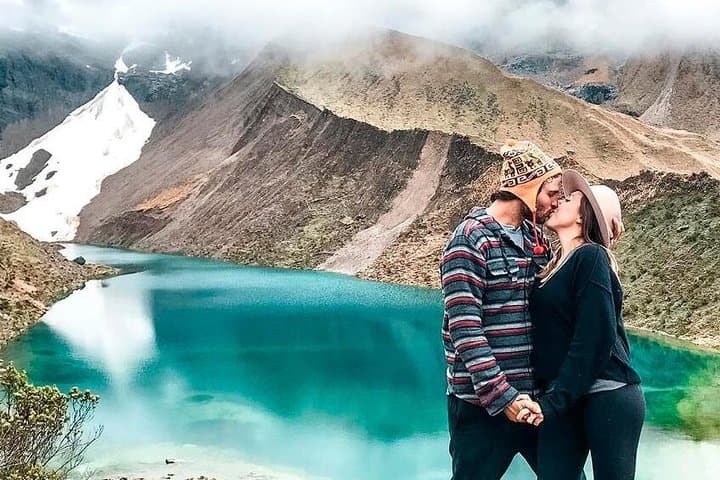
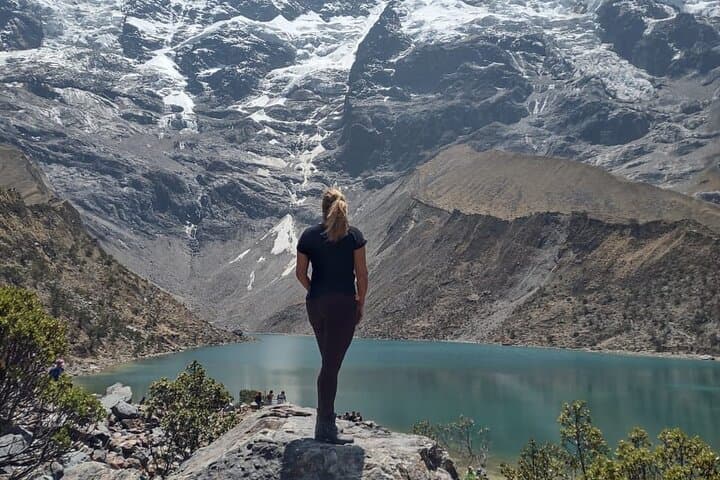
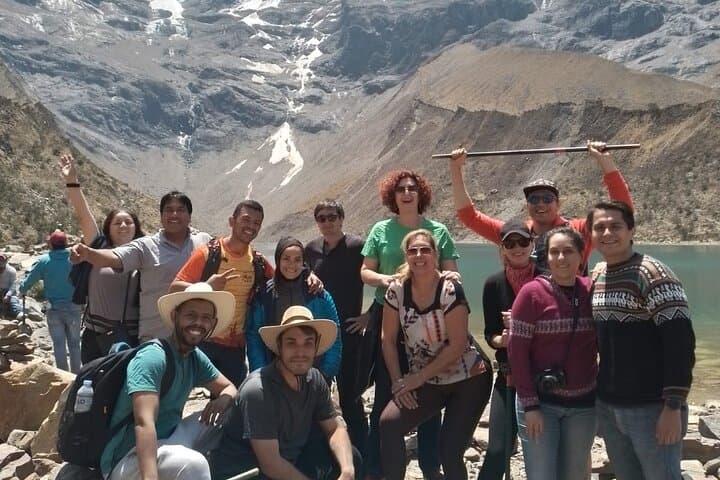
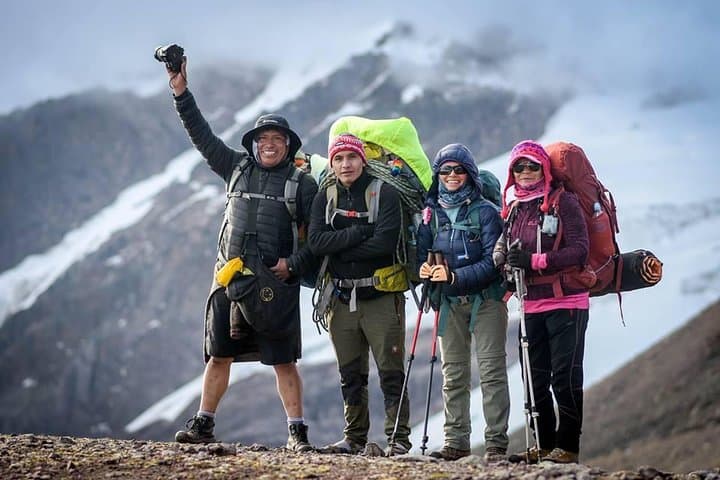
A cold wind from the snowfields hits your face before the lake appears: first a slit of bright blue between moraine and ridge, then the full sheet of Humantay, a high-altitude mirror that seems to hold the mountain in its own color. You arrive at Soraypampa after a predawn drive through Andean farmland; the trail climbs through scrub and native ichu grass, each step thinning the air until the turquoise water dominates the bowl below Humantay peak.
A cold wind from the snowfields hits your face before the lake appears: first a slit of bright blue between moraine and ridge, then the full sheet of Humantay, a high-altitude mirror that seems to hold the mountain in its own color. You arrive at Soraypampa after a predawn drive through Andean farmland; the trail climbs through scrub and native ichu grass, each step thinning the air until the turquoise water dominates the bowl below Humantay peak.
Geology here is blunt and immediate — glacial melt carved the basin and left fine rock flour that refracts light into the lake’s intense hue. The Vilcabamba range and nearby Salkantay have been travel routes and sacred places for Quechua communities for centuries; rituals and offerings to the mountains (apus) remain part of local life. Expect talk from guides about traditional uses of the landscape and a straightforward explanation of how altitude and season shape what you see.
Practically: the round-trip walk from Soraypampa is short but steep—plan for 1–1.5 hours up and a similar descent, embedded in a 5–6 hour door-to-door excursion from Cusco. Acclimatize in the city for a day or two, carry 1.5–2L water, layered clothes, and sun protection. The trail is rocky and can be muddy after rain; poles help. Photography windows are best mid-morning when wind eases and light brings out the lake’s color. Respect local rules: stay on the path, pack out trash, and keep offerings and sacred sites undisturbed.