THE ADVENTURE COLLECTIVE® · Independent discovery and booking for outdoor travel

A compact five-day circuit from Cusco that pairs high-altitude hikes—Humantay Lagoon and Rainbow Mountain—with a guided visit to Machu Picchu. Expect long days, thin air, striking geology, and deep Inca history.
A compact five-day circuit from Cusco that pairs high-altitude hikes—Humantay Lagoon and Rainbow Mountain—with a guided visit to Machu Picchu. Expect long days, thin air, striking geology, and deep Inca history.
Before dawn the minivan threads down narrow Andean roads and the altitude tightens around your breath; lights of Cusco fade and peaks take over the sky. By the first sunrise you stand at Soraypampa, Humantay’s glacial lake reflecting a serrated ridge, and later you climb again to the flanks of the Mountain of Seven Colors where strata of mineral-rich rock throw the earth into bands of ochre and vermilion. The itinerary culminates in the stone citadel of Machu Picchu, where terraces and trapezoidal windows still hold the geometry of Inca engineering.
Verified experiences and guided adventures in the surrounding area.
Operated by Runas Trip Peru · Cusco, Cusco
Before dawn the minivan threads down narrow Andean roads and the altitude tightens around your breath; lights of Cusco fade and peaks take over the sky. By the first sunrise you stand at Soraypampa, Humantay’s glacial lake reflecting a serrated ridge, and later you climb again to the flanks of the Mountain of Seven Colors where strata of mineral-rich rock throw the earth into bands of ochre and vermilion. The itinerary culminates in the stone citadel of Machu Picchu, where terraces and trapezoidal windows still hold the geometry of Inca engineering.
This route is as much cultural as it is geological: Qoricancha’s finely cut stone and Sacsayhuamán’s colossal blocks speak to seismic-smart construction, while local highland communities retain Quechua language, textiles, and agricultural rhythms. Geology drives the scenery—glacial cirques feed turquoise lagoons; oxidized minerals paint the slopes; and high-altitude puna grasslands determine where llamas and native shrubs persist.
Practical edge: allow 48–72 hours for basic acclimatization in Cusco, carry layered clothing for sun-to-freeze days, and pace ascents—both Humantay (approx 1.5–2 hours uphill to 4,200 m) and Vinicunca (approach to 5,080 m) stress cardio and altitude tolerance. Trains to Aguas Calientes and buses up to the citadel are scheduled; bring cash for tips and small purchases. Expect rocky trails, short steep pitches, and optional horseback legs. Hydrate, sleep early, and listen to your guide—this is high country that rewards preparation as much as curiosity.
challenging.
5 days.
Good aerobic fitness and some high-altitude experience recommended; expect sustained uphill sections and single-day elevation gains over 1,000 m.
Plan 1–2 full days in Cusco to rest, hydrate, and do light walking; if possible arrive earlier to minimize altitude effects.
Yes—both sites commonly offer horse rentals for parts of the climb; riders should be comfortable on uneven, high-altitude terrain and bring cash.
Yes—train seats and Machu Picchu entrance times sell out in high season; booking ahead secures your preferred schedule and avoids last-minute changes.
Headache, nausea, dizziness, and shortness of breath are common—descend, rest, and hydrate; seek medical help if symptoms worsen or include severe vomiting or confusion.
Cusco was the administrative heart of the Inca empire; sites on the city tour (Qoricancha, Sacsayhuamán) demonstrate advanced stonemasonry and seismic-aware construction.
High foot traffic at Machu Picchu and fragile puna grasslands make Leave No Trace practices essential—pack out waste, stick to trails, and respect local signage and quotas.
Runas Trip Peru operates guided outdoor trips and adventures with an emphasis on safety, stewardship, and memorable experiences.
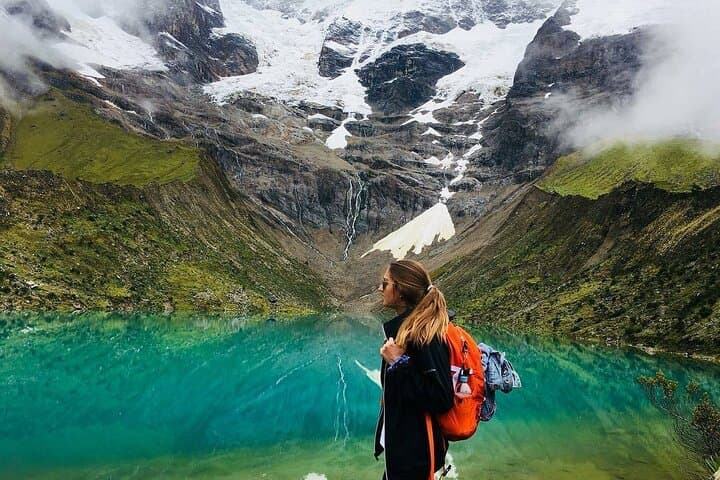

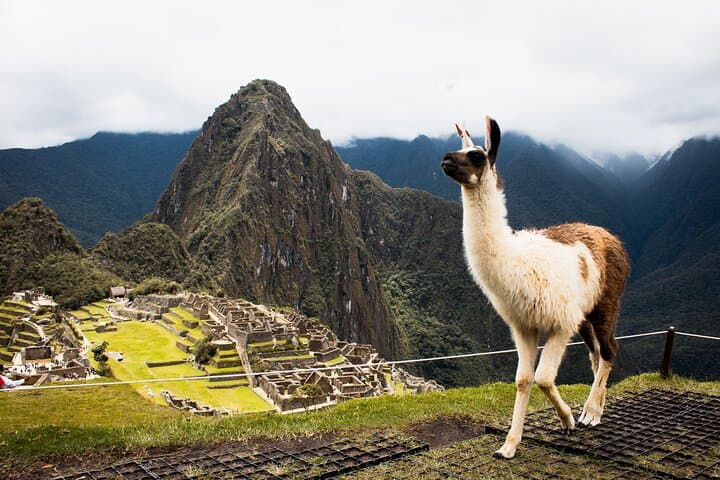

Before dawn the minivan threads down narrow Andean roads and the altitude tightens around your breath; lights of Cusco fade and peaks take over the sky. By the first sunrise you stand at Soraypampa, Humantay’s glacial lake reflecting a serrated ridge, and later you climb again to the flanks of the Mountain of Seven Colors where strata of mineral-rich rock throw the earth into bands of ochre and vermilion. The itinerary culminates in the stone citadel of Machu Picchu, where terraces and trapezoidal windows still hold the geometry of Inca engineering.
Before dawn the minivan threads down narrow Andean roads and the altitude tightens around your breath; lights of Cusco fade and peaks take over the sky. By the first sunrise you stand at Soraypampa, Humantay’s glacial lake reflecting a serrated ridge, and later you climb again to the flanks of the Mountain of Seven Colors where strata of mineral-rich rock throw the earth into bands of ochre and vermilion. The itinerary culminates in the stone citadel of Machu Picchu, where terraces and trapezoidal windows still hold the geometry of Inca engineering.
This route is as much cultural as it is geological: Qoricancha’s finely cut stone and Sacsayhuamán’s colossal blocks speak to seismic-smart construction, while local highland communities retain Quechua language, textiles, and agricultural rhythms. Geology drives the scenery—glacial cirques feed turquoise lagoons; oxidized minerals paint the slopes; and high-altitude puna grasslands determine where llamas and native shrubs persist.
Practical edge: allow 48–72 hours for basic acclimatization in Cusco, carry layered clothing for sun-to-freeze days, and pace ascents—both Humantay (approx 1.5–2 hours uphill to 4,200 m) and Vinicunca (approach to 5,080 m) stress cardio and altitude tolerance. Trains to Aguas Calientes and buses up to the citadel are scheduled; bring cash for tips and small purchases. Expect rocky trails, short steep pitches, and optional horseback legs. Hydrate, sleep early, and listen to your guide—this is high country that rewards preparation as much as curiosity.