THE ADVENTURE COLLECTIVE® · Independent discovery and booking for outdoor travel

Ride from Cusco to Humantay Lagoon and trade a steep hike for a steady, scenic ascent on horseback. This full-day trip delivers glacial turquoise, Salkantay views, and practical altitude advice for first-time visitors.
Ride from Cusco to Humantay Lagoon and trade a steep hike for a steady, scenic ascent on horseback. This full-day trip delivers glacial turquoise, Salkantay views, and practical altitude advice for first-time visitors.
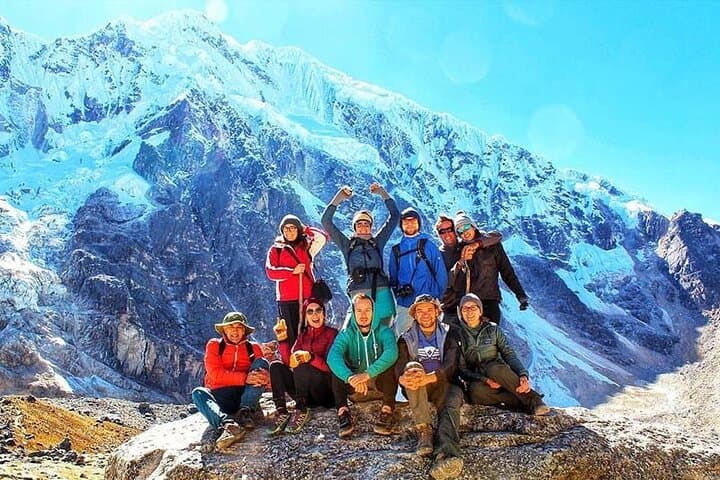
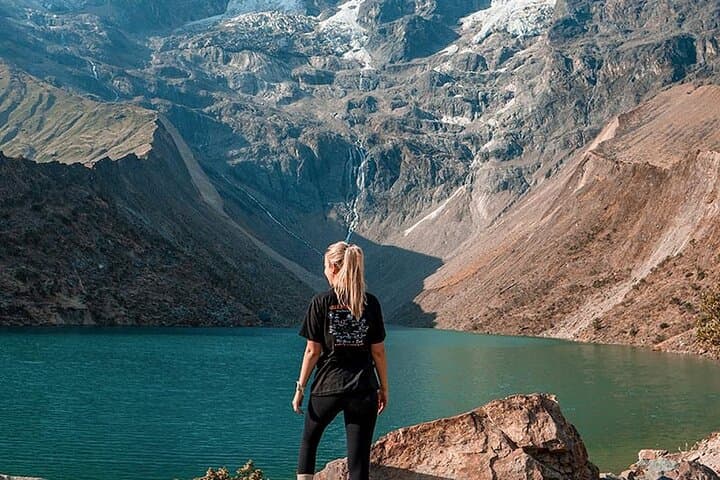
A highland road unfurls before dawn as a minivan lifts out of Cusco toward the windswept Soraypampa plateau. Riders swap city air for thin, cold oxygen and the steady click of horse hooves; the turquoise bowl of Humantay Lagoon appears like a held breath beneath the jagged line of Salkantay. The approach is cinematic but short—horseback smooths the uphill grind and delivers travelers to a sharp, glacial-carved basin rimmed in moraine and snow.
Verified experiences and guided adventures in the surrounding area.
Operated by Machupicchu Peru Journeys · Cusco, Cusco
A highland road unfurls before dawn as a minivan lifts out of Cusco toward the windswept Soraypampa plateau. Riders swap city air for thin, cold oxygen and the steady click of horse hooves; the turquoise bowl of Humantay Lagoon appears like a held breath beneath the jagged line of Salkantay. The approach is cinematic but short—horseback smooths the uphill grind and delivers travelers to a sharp, glacial-carved basin rimmed in moraine and snow.
Humantay is a glacial lake formed where ice met rock; local Quechua communities regard nearby peaks as apus—sacred mountains that shape weather and ritual. The landscape bears traces of Pleistocene sculpting: steep cirques, polished stone, and boulder fields that tell a cold-history of ice and melt. Cultural life in the valley centers on small highland hamlets like Mollepata and Soraypampa, where Andean cuisine and pastoral rhythms set the tempo for a day trip.
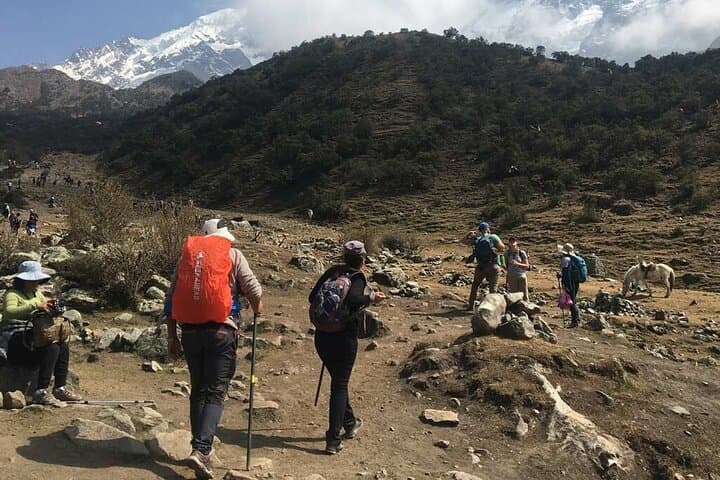
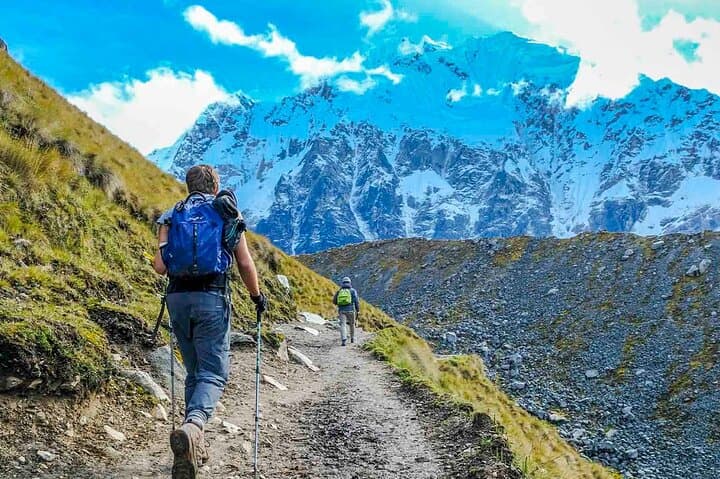
Practical guidance: plan for altitude—spend a day in Cusco before this full-day outing. Expect an 8–10 hour itinerary with hotel pickup, breakfast in Mollepata, a horseback ascent of roughly 60–90 minutes, time at the lagoon for photos, and a return lunch. Terrain is rocky and uneven at the summit; horses handle most of the climb, but riders should be steady in the saddle and able to dismount on loose ground. Bring layers, sunscreen, water, and a small daypack. Morning light is best for photos and warmer weather makes the trail less muddy; during the wet season, trails can be slick and visibility limited. This is a high-altitude, accessible way to meet one of the Andes’ most photographed lakes without a long trek.
moderate.
8–10 hours.
Moderate fitness; able to sit in a saddle for up to 90 minutes and handle short walks on uneven terrain
The horseback ascent is typically 60–90 minutes from Soraypampa depending on pace and conditions; riders dismount for short sections near the lagoon.
No advanced experience is necessary, but basic balance and the ability to follow guide instructions are expected for safety on uneven terrain.
Yes—Cusco sits above 3,300 m and Humantay is higher; acclimatize in the city, stay hydrated, avoid alcohol the night before, and notify guides of any symptoms.
Most full-day tours include hotel pickup, breakfast, horseback ride, admission fees, and a traditional Peruvian lunch, but confirm specifics with the operator before booking.
The high basin sits below Salkantay, a mountain sacred to Quechua communities; such apus shaped local ritual calendars and grazing patterns for centuries.
The lagoon’s fragile high-Andean ecology is sensitive to trampling and waste—stay on established paths, minimize plastic, and follow local guide instructions to reduce impact.
Machupicchu Peru Journeys operates guided outdoor trips and adventures with an emphasis on safety, stewardship, and memorable experiences.
A highland road unfurls before dawn as a minivan lifts out of Cusco toward the windswept Soraypampa plateau. Riders swap city air for thin, cold oxygen and the steady click of horse hooves; the turquoise bowl of Humantay Lagoon appears like a held breath beneath the jagged line of Salkantay. The approach is cinematic but short—horseback smooths the uphill grind and delivers travelers to a sharp, glacial-carved basin rimmed in moraine and snow.
A highland road unfurls before dawn as a minivan lifts out of Cusco toward the windswept Soraypampa plateau. Riders swap city air for thin, cold oxygen and the steady click of horse hooves; the turquoise bowl of Humantay Lagoon appears like a held breath beneath the jagged line of Salkantay. The approach is cinematic but short—horseback smooths the uphill grind and delivers travelers to a sharp, glacial-carved basin rimmed in moraine and snow.
Humantay is a glacial lake formed where ice met rock; local Quechua communities regard nearby peaks as apus—sacred mountains that shape weather and ritual. The landscape bears traces of Pleistocene sculpting: steep cirques, polished stone, and boulder fields that tell a cold-history of ice and melt. Cultural life in the valley centers on small highland hamlets like Mollepata and Soraypampa, where Andean cuisine and pastoral rhythms set the tempo for a day trip.
Practical guidance: plan for altitude—spend a day in Cusco before this full-day outing. Expect an 8–10 hour itinerary with hotel pickup, breakfast in Mollepata, a horseback ascent of roughly 60–90 minutes, time at the lagoon for photos, and a return lunch. Terrain is rocky and uneven at the summit; horses handle most of the climb, but riders should be steady in the saddle and able to dismount on loose ground. Bring layers, sunscreen, water, and a small daypack. Morning light is best for photos and warmer weather makes the trail less muddy; during the wet season, trails can be slick and visibility limited. This is a high-altitude, accessible way to meet one of the Andes’ most photographed lakes without a long trek.