THE ADVENTURE COLLECTIVE® · Independent discovery and booking for outdoor travel

A high-altitude, full-day trek from Cusco to the glacier-fed Humantay Lagoon — a steep, short hike that rewards effort with an intense turquoise lake and sweeping views of the Salkantay massif. Learn what to expect, how to prepare, and local context for this popular day trip.
A high-altitude, full-day trek from Cusco to the glacier-fed Humantay Lagoon — a steep, short hike that rewards effort with an intense turquoise lake and sweeping views of the Salkantay massif. Learn what to expect, how to prepare, and local context for this popular day trip.
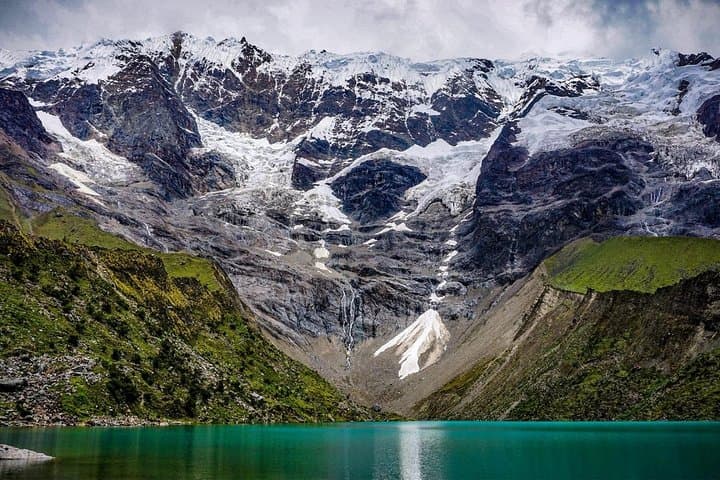
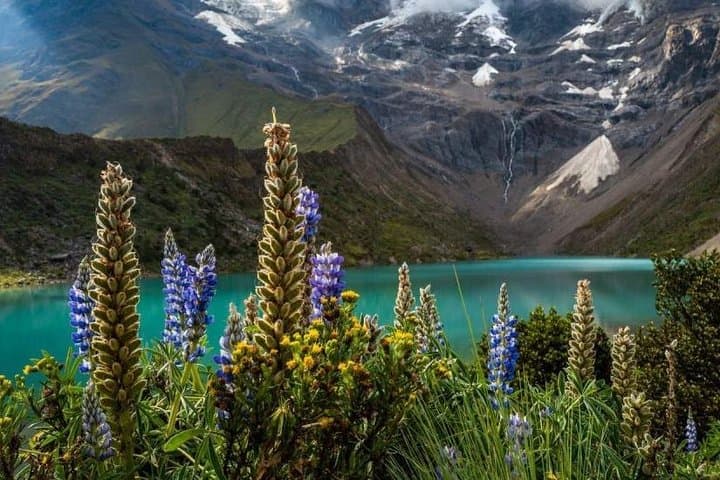
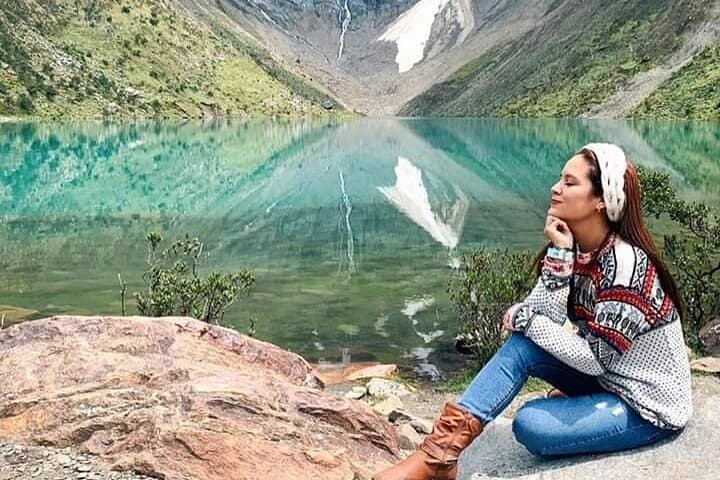
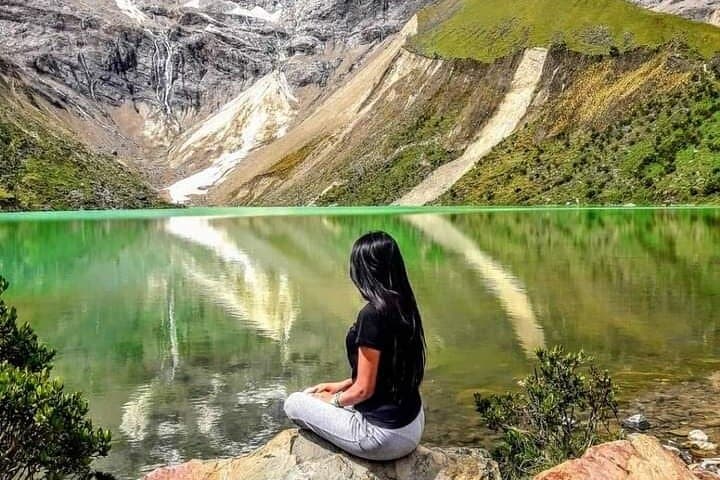
Dawn in Cusco still tastes of cold air and diesel as the minivan threads the Andean highway toward Soraypampa. By midmorning the valley opens; wind scrubs the sky clean and the trail begins to climb through puna grass and scattered boulders. At the ridge the water appears — a jewel-blue mirror held beneath the white slope of the Humantay glacier, daring you closer.
Verified experiences and guided adventures in the surrounding area.
Operated by World Explorer Peru · Cusco, Cusco Region
Dawn in Cusco still tastes of cold air and diesel as the minivan threads the Andean highway toward Soraypampa. By midmorning the valley opens; wind scrubs the sky clean and the trail begins to climb through puna grass and scattered boulders. At the ridge the water appears — a jewel-blue mirror held beneath the white slope of the Humantay glacier, daring you closer.
The lagoon is a glacial tarn formed by the retreat of the Humantay glacier, part of the greater Salkantay massif within the Vilcabamba mountain range. Local Quechua communities consider the peaks apus — mountain spirits that shape weather, water and local ritual life — and the area retains small herding settlements and seasonal pastures. Geologically the route crosses moraine and compacted volcanic sediments; the striking turquoise color comes from finely ground rock flour suspended in meltwater.
Expect a steep 1.5–2 hour ascent from the Soraypampa trailhead, gaining roughly 350–450 m to reach the lake at about 4,200 m elevation. Terrain is packed earth, loose scree near the shore and short switchbacks; horses are sometimes available for part of the climb. Weather turns quickly — fierce sun, wind and sudden squalls can happen in the same hour.
Practical note: most full-day tours depart Cusco before sunrise and return late afternoon; this package includes breakfast, lunch and the entrance fee, and provides trekking sticks. Plan for altitude by resting in Cusco beforehand, layer for temperature swings, bring 2–3 liters of water and sunscreen, and allow extra time for photos and acclimatization on the return descent.
moderate.
12–14 hours.
Moderate cardiovascular fitness recommended — able to hike 1.5–2 hours uphill at high elevation and tolerate full-day travel.
From the Soraypampa trailhead it’s typically 1.5–2 hours up and 1–1.5 hours down; the full tour from Cusco runs about 12–14 hours with transport and meals.
This full-day tour lists entrance ticket, breakfast and a typical local lunch as included, and offers a vegetarian option.
Trekking sticks are commonly provided by tour operators; they help on the ascent and descent but personal poles are fine to bring if preferred.
Not recommended for those with serious cardiovascular conditions, spinal issues or pregnant travelers; children who can handle steep uphill walks at altitude may participate with supervision.
The Humantay area sits along highland routes long used by Quechua communities and shepherds; the peaks are traditionally honored as apus in local cosmology.
Glacial retreat has reduced runoff and altered lake levels; stay on established trails, pack out all waste and follow local guide instructions to reduce impact.
World Explorer Peru operates guided outdoor trips and adventures with an emphasis on safety, stewardship, and memorable experiences.
Dawn in Cusco still tastes of cold air and diesel as the minivan threads the Andean highway toward Soraypampa. By midmorning the valley opens; wind scrubs the sky clean and the trail begins to climb through puna grass and scattered boulders. At the ridge the water appears — a jewel-blue mirror held beneath the white slope of the Humantay glacier, daring you closer.
Dawn in Cusco still tastes of cold air and diesel as the minivan threads the Andean highway toward Soraypampa. By midmorning the valley opens; wind scrubs the sky clean and the trail begins to climb through puna grass and scattered boulders. At the ridge the water appears — a jewel-blue mirror held beneath the white slope of the Humantay glacier, daring you closer.
The lagoon is a glacial tarn formed by the retreat of the Humantay glacier, part of the greater Salkantay massif within the Vilcabamba mountain range. Local Quechua communities consider the peaks apus — mountain spirits that shape weather, water and local ritual life — and the area retains small herding settlements and seasonal pastures. Geologically the route crosses moraine and compacted volcanic sediments; the striking turquoise color comes from finely ground rock flour suspended in meltwater.
Expect a steep 1.5–2 hour ascent from the Soraypampa trailhead, gaining roughly 350–450 m to reach the lake at about 4,200 m elevation. Terrain is packed earth, loose scree near the shore and short switchbacks; horses are sometimes available for part of the climb. Weather turns quickly — fierce sun, wind and sudden squalls can happen in the same hour.
Practical note: most full-day tours depart Cusco before sunrise and return late afternoon; this package includes breakfast, lunch and the entrance fee, and provides trekking sticks. Plan for altitude by resting in Cusco beforehand, layer for temperature swings, bring 2–3 liters of water and sunscreen, and allow extra time for photos and acclimatization on the return descent.