THE ADVENTURE COLLECTIVE® · Independent discovery and booking for outdoor travel

Travelers leave Cusco before dawn for a long day of road and trail to a glacier-fed turquoise lake beneath Salkantay. The Humantay lagoon is short but steep to reach; altitude planning and layered gear make the difference between suffering and savoring the views.
Travelers leave Cusco before dawn for a long day of road and trail to a glacier-fed turquoise lake beneath Salkantay. The Humantay lagoon is short but steep to reach; altitude planning and layered gear make the difference between suffering and savoring the views.
A pre-dawn van leaves Cusco while the city’s lights still wink; the road climbs into the high valleys and the air thins with each kilometer. By the time you step onto the dusty Soraypampa trailhead the world has shifted—tall, wind-scoured ridges cut the sky and distant snowfields glint. The Humantay lagoon appears like a polished shard of turquoise framed by the white shoulders of Humantay and the Salkantay massif.
Verified experiences and guided adventures in the surrounding area.
Operated by Cusco Travel Agency · Cusco, Cusco Region
A pre-dawn van leaves Cusco while the city’s lights still wink; the road climbs into the high valleys and the air thins with each kilometer. By the time you step onto the dusty Soraypampa trailhead the world has shifted—tall, wind-scoured ridges cut the sky and distant snowfields glint. The Humantay lagoon appears like a polished shard of turquoise framed by the white shoulders of Humantay and the Salkantay massif.
This basin has been read and respected since Inca times: mountain lakes in the Andes were offerings to the Apus (mountain spirits) and remain culturally significant to local Quechua communities today. Geologically the lagoon is glacier-fed; suspended rock flour from Salkantay’s meltwater gives the lake its vivid color and changes with light and runoff. Expect puna grasslands, stony switchbacks and thin air—flora and fauna here have adapted to short growing seasons and harsh nights.
Practically: the round-trip walk from Soraypampa is short but steep—plan ~3.5 km round-trip with roughly 350–450 m of elevation gain and an ascent to ~4,200 m (13,780 ft). The full excursion from Cusco is a long day (around 13–15 hours door-to-door including driving and stops). Carry layers for wind and sun, water, snacks, and give yourself 48+ hours in Cusco to acclimatize. Guides often include breakfast, transport and entrance fees; take time at the viewpoint above the lagoon but respect local offerings and fragile soil. Move slowly, listen to your body at altitude, and leave no trace—the lake holds both geological drama and cultural memory, and it rewards a careful approach.
moderate.
13–15 hours.
Moderate fitness with prior short-hike experience; ability to walk uphill for 1–2 hours at high altitude.
From Soraypampa the walk typically takes 1–1.5 hours up and about 45–60 minutes back, with a round-trip distance around 3–4 km depending on route and viewpoint detours.
Many organized full‑day tours include entrance to Humantay lagoon; check your booking—this specific tour lists entrance as included.
The steep, high‑altitude approach is not recommended for pregnant travelers or those with serious back or heart conditions; children can do it if acclimatized and closely supervised.
The dry season (June–August) offers the clearest skies and firmer trails, while the rainy season (Dec–Feb) brings afternoon storms and muddier conditions—plan accordingly.
The lagoon and surrounding peaks were sacred in Inca cosmology and remain places of ritual offering for local Quechua communities.
High‑altitude wetlands and trails are fragile—stay on established paths, pack out all waste, and avoid disturbing ritual offerings or wildlife.
Cusco Travel Agency operates guided outdoor trips and adventures with an emphasis on safety, stewardship, and memorable experiences.
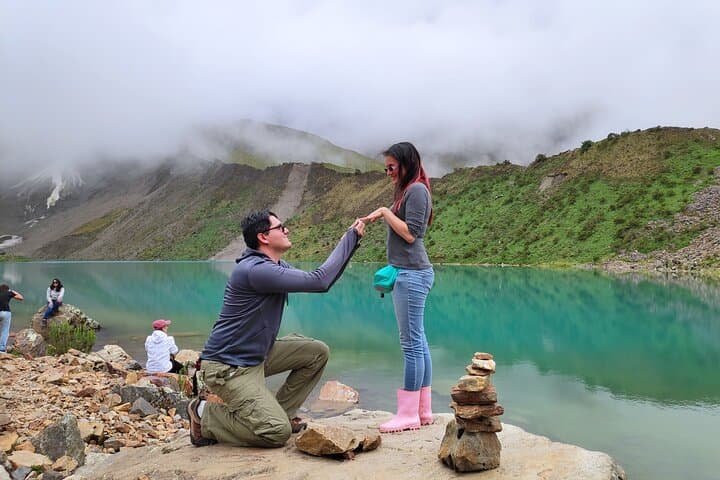
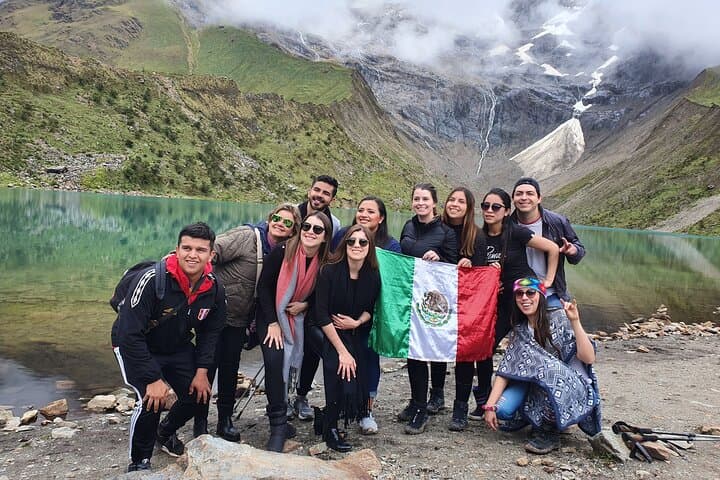
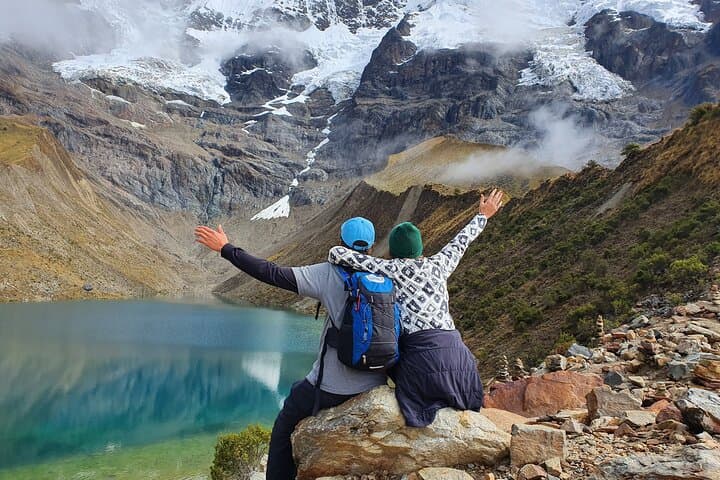
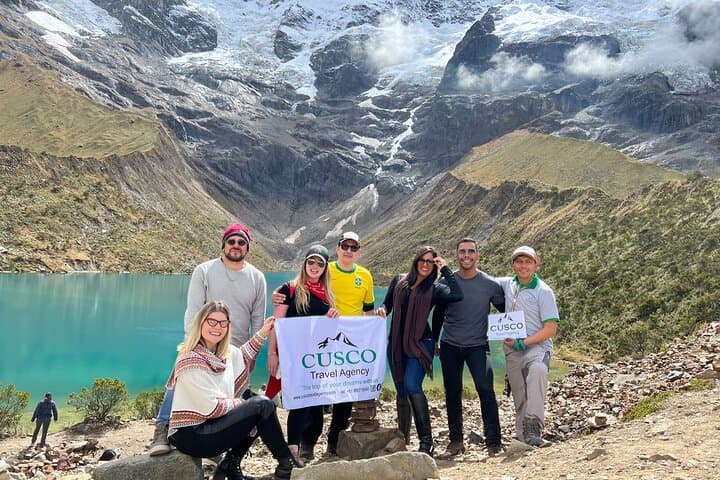
A pre-dawn van leaves Cusco while the city’s lights still wink; the road climbs into the high valleys and the air thins with each kilometer. By the time you step onto the dusty Soraypampa trailhead the world has shifted—tall, wind-scoured ridges cut the sky and distant snowfields glint. The Humantay lagoon appears like a polished shard of turquoise framed by the white shoulders of Humantay and the Salkantay massif.
A pre-dawn van leaves Cusco while the city’s lights still wink; the road climbs into the high valleys and the air thins with each kilometer. By the time you step onto the dusty Soraypampa trailhead the world has shifted—tall, wind-scoured ridges cut the sky and distant snowfields glint. The Humantay lagoon appears like a polished shard of turquoise framed by the white shoulders of Humantay and the Salkantay massif.
This basin has been read and respected since Inca times: mountain lakes in the Andes were offerings to the Apus (mountain spirits) and remain culturally significant to local Quechua communities today. Geologically the lagoon is glacier-fed; suspended rock flour from Salkantay’s meltwater gives the lake its vivid color and changes with light and runoff. Expect puna grasslands, stony switchbacks and thin air—flora and fauna here have adapted to short growing seasons and harsh nights.
Practically: the round-trip walk from Soraypampa is short but steep—plan ~3.5 km round-trip with roughly 350–450 m of elevation gain and an ascent to ~4,200 m (13,780 ft). The full excursion from Cusco is a long day (around 13–15 hours door-to-door including driving and stops). Carry layers for wind and sun, water, snacks, and give yourself 48+ hours in Cusco to acclimatize. Guides often include breakfast, transport and entrance fees; take time at the viewpoint above the lagoon but respect local offerings and fragile soil. Move slowly, listen to your body at altitude, and leave no trace—the lake holds both geological drama and cultural memory, and it rewards a careful approach.