THE ADVENTURE COLLECTIVE® · Independent discovery and booking for outdoor travel

A brisk high‑altitude hike brings you to Humantay Lagoon, a vivid turquoise lake carved by glaciers in the Vilcabamba range. This day trip from Cusco is short on distance but high on altitude — prepare for steep switchbacks, dramatic views and a cultural landscape shaped by Andean tradition.
A brisk high‑altitude hike brings you to Humantay Lagoon, a vivid turquoise lake carved by glaciers in the Vilcabamba range. This day trip from Cusco is short on distance but high on altitude — prepare for steep switchbacks, dramatic views and a cultural landscape shaped by Andean tradition.
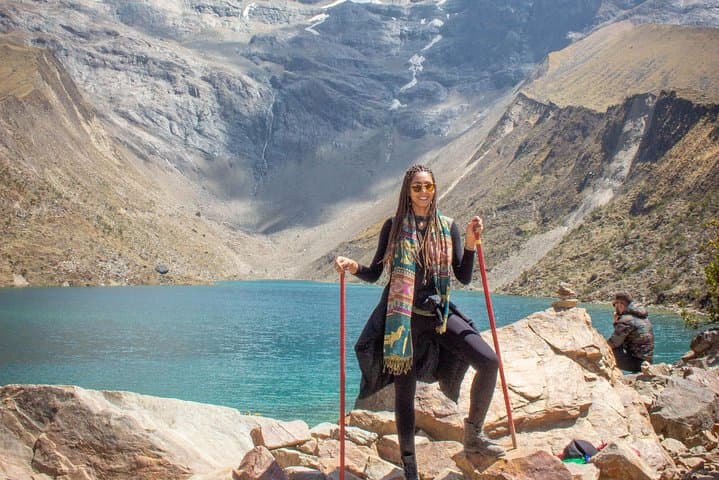
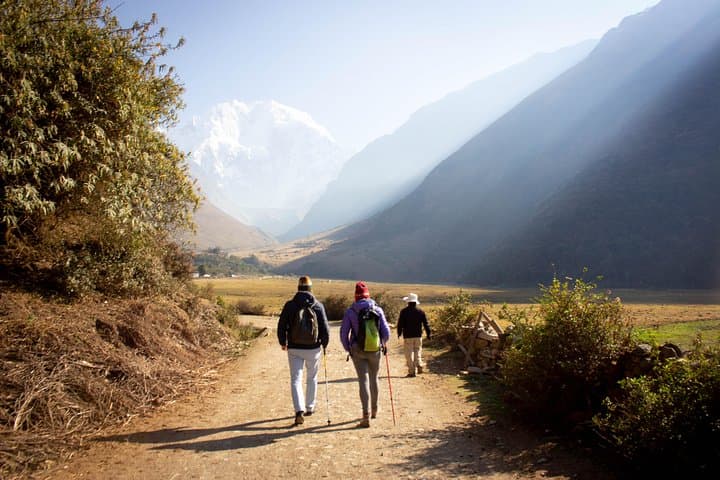
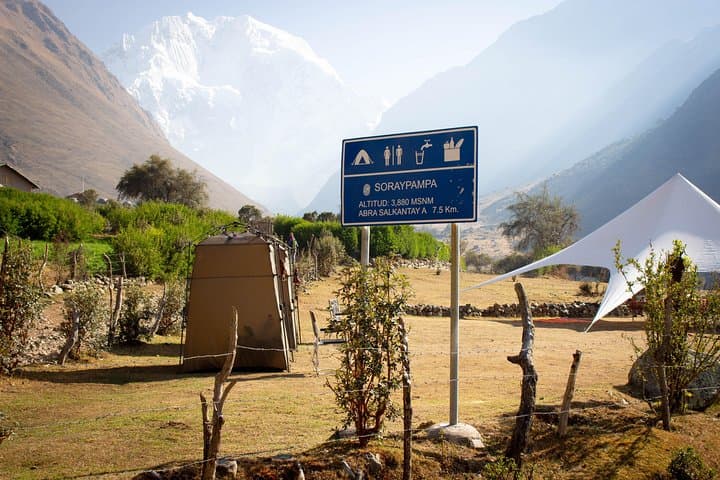
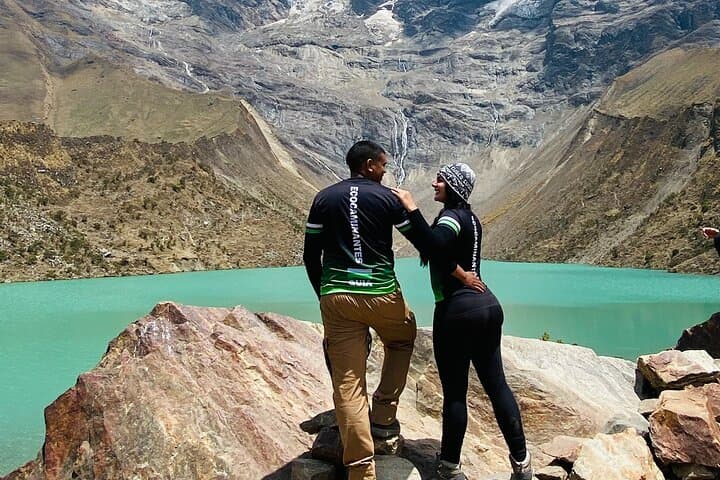
A thin ribbon of trail rises out of high puna grass and the air thins until the lake appears — a startling bowl of turquoise set beneath the glaciated flanks of Humantay (about 5,450 m). On a clear morning the lagoon reflects serrated peaks and a skitter of wind chisels bright ripples across its surface. Visitors arrive by van from Cusco and climb 1.5–2 km with roughly 300–400 m of elevation gain from Soraypampa to reach the shoreline at about 4,200 m.
Verified experiences and guided adventures in the surrounding area.
Operated by Sakura Expedition · Soraypampa, Cusco Region
A thin ribbon of trail rises out of high puna grass and the air thins until the lake appears — a startling bowl of turquoise set beneath the glaciated flanks of Humantay (about 5,450 m). On a clear morning the lagoon reflects serrated peaks and a skitter of wind chisels bright ripples across its surface. Visitors arrive by van from Cusco and climb 1.5–2 km with roughly 300–400 m of elevation gain from Soraypampa to reach the shoreline at about 4,200 m.
The lagoon sits in the Vilcabamba range and is fed by seasonal melt from glaciers. The setting carries Quechua history: local communities consider high lakes sacred and the area has long been part of Andean pastoral routes. Geologically, the basin is a cirque carved by Pleistocene ice and today its color comes from finely ground glacial rock suspended in cold water.
Expect rocky switchbacks, short steep pitches, and panoramic viewpoints rather than a groomed promenade. The walk is concentrated but the altitude makes it demanding; most groups spend 45–90 minutes round-trip on the trail and 20–40 minutes at the lake.
Practical guidance: start early to avoid crowds and sudden weather, carry layers for wind and sun, and sip fluids to help with altitude. Guides typically include transport, a simple breakfast and lunch, entrance fee and basic aids like oxygen and walking poles. Respect marked paths, give wildlife space, and allow extra time for a slow, steady ascent — the reward is a clear, high-altitude lake framed by ice and rock.
moderate.
8–10 hours (door-to-door from Cusco).
Should be in moderate physical condition — able to walk 1.5–2 km uphill with backpacks at high altitude.
The trail is about 1.5–2 km with roughly 300–400 m of ascent; most people take 45–90 minutes each way depending on pace and acclimatization.
No technical experience is required, but you should be comfortable walking uphill at high altitude and carry appropriate layers and water.
This trip is not recommended for pregnant travelers and caution is advised for young children due to altitude; check operator guidelines before booking.
Typical inclusions are round‑trip transport from Cusco, a guide, park entrance fee, basic breakfast and lunch, and sometimes blankets, poles or oxygen if needed.
Humantay sits within landscapes long used by Quechua communities; high lakes are part of local cosmology and pastoral routes connecting mountain pastures.
High‑altitude ecosystems are fragile—stick to trails, pack out waste, and use local guides and fees that support conservation and community initiatives.
Sakura Expedition operates guided outdoor trips and adventures with an emphasis on safety, stewardship, and memorable experiences.
A thin ribbon of trail rises out of high puna grass and the air thins until the lake appears — a startling bowl of turquoise set beneath the glaciated flanks of Humantay (about 5,450 m). On a clear morning the lagoon reflects serrated peaks and a skitter of wind chisels bright ripples across its surface. Visitors arrive by van from Cusco and climb 1.5–2 km with roughly 300–400 m of elevation gain from Soraypampa to reach the shoreline at about 4,200 m.
A thin ribbon of trail rises out of high puna grass and the air thins until the lake appears — a startling bowl of turquoise set beneath the glaciated flanks of Humantay (about 5,450 m). On a clear morning the lagoon reflects serrated peaks and a skitter of wind chisels bright ripples across its surface. Visitors arrive by van from Cusco and climb 1.5–2 km with roughly 300–400 m of elevation gain from Soraypampa to reach the shoreline at about 4,200 m.
The lagoon sits in the Vilcabamba range and is fed by seasonal melt from glaciers. The setting carries Quechua history: local communities consider high lakes sacred and the area has long been part of Andean pastoral routes. Geologically, the basin is a cirque carved by Pleistocene ice and today its color comes from finely ground glacial rock suspended in cold water.
Expect rocky switchbacks, short steep pitches, and panoramic viewpoints rather than a groomed promenade. The walk is concentrated but the altitude makes it demanding; most groups spend 45–90 minutes round-trip on the trail and 20–40 minutes at the lake.
Practical guidance: start early to avoid crowds and sudden weather, carry layers for wind and sun, and sip fluids to help with altitude. Guides typically include transport, a simple breakfast and lunch, entrance fee and basic aids like oxygen and walking poles. Respect marked paths, give wildlife space, and allow extra time for a slow, steady ascent — the reward is a clear, high-altitude lake framed by ice and rock.