THE ADVENTURE COLLECTIVE® · Independent discovery and booking for outdoor travel

A classic high‑Andean day hike from Cusco, the Humantay Lagoon rewards a steep 1 hour 40 minute climb with electric turquoise water beneath the snowy Apu. Plan for altitude, bring good footwear and expect a full day with transport and meals included.
A classic high‑Andean day hike from Cusco, the Humantay Lagoon rewards a steep 1 hour 40 minute climb with electric turquoise water beneath the snowy Apu. Plan for altitude, bring good footwear and expect a full day with transport and meals included.
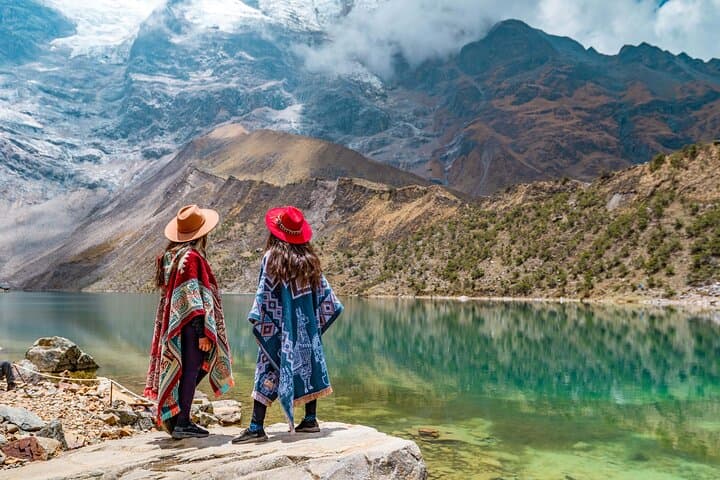
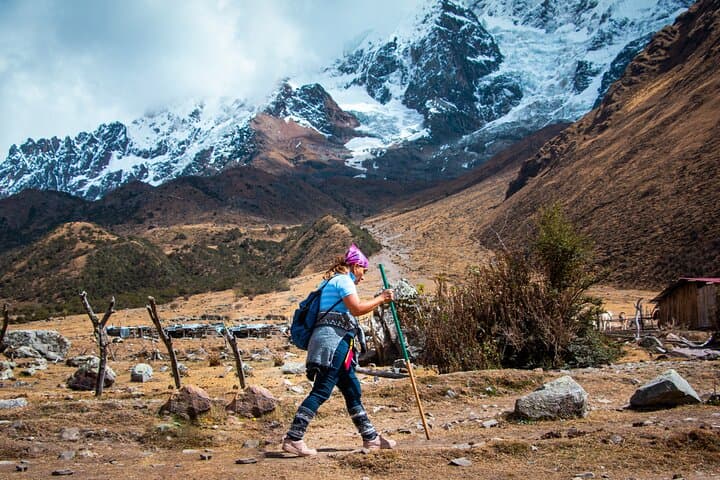
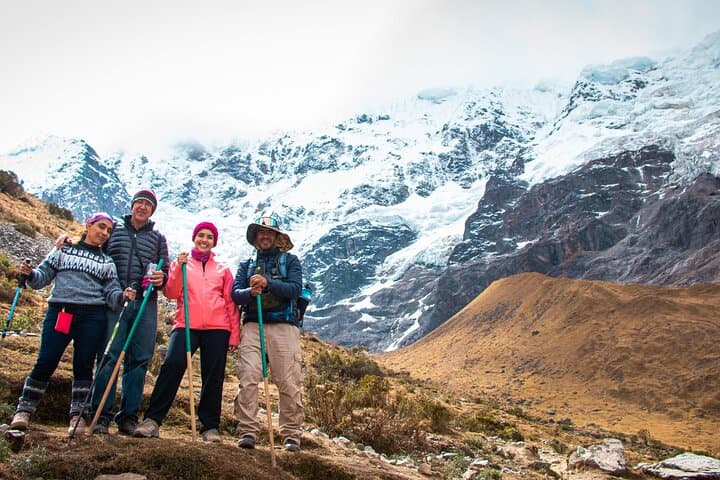
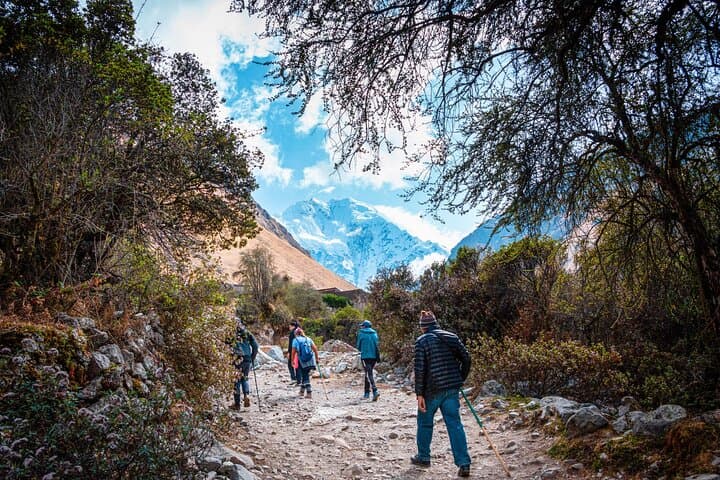
You leave Cusco before dawn, the city lights shrinking as the van threads down into the Apurímac valley. By midmorning the road levels out at Soraypampa and Salkantay’s snow-capped flank fills the windscreen — a hulking presence that seems to breathe cold air across the trail. The hike to Humantay is short but sharp: a steep ascent over puna grass and loose stones, then suddenly the trail opens onto a bowl of turquoise water carved by glacial melt.
Verified experiences and guided adventures in the surrounding area.
Operated by CuscoPeru.com · Soraypampa, Cusco
You leave Cusco before dawn, the city lights shrinking as the van threads down into the Apurímac valley. By midmorning the road levels out at Soraypampa and Salkantay’s snow-capped flank fills the windscreen — a hulking presence that seems to breathe cold air across the trail. The hike to Humantay is short but sharp: a steep ascent over puna grass and loose stones, then suddenly the trail opens onto a bowl of turquoise water carved by glacial melt.
Geology here is readable: a high-Andean arena of glacial cirques, moraine ridges and hard volcanic and metamorphic bedrock that helped sculpt the lake’s steep-walled basin. Culturally the lake is part of the Apu landscape — local Quechua communities have revered glacier giants like Humantay and Salkantay for centuries, offering rituals and coca in thanks or supplication.
Expect thin air at about 4,200 m — your legs will feel it even on a short climb. The scenery rewards every labored step: reflective water, blue that punches through cold light, and views down to the Apurímac gorge. Photographers catch sharp contrasts; birders note raptors circling the ridgelines.
Practically: acclimate in Cusco for at least a day or two, bring layers for sun and wind, and use poles for balance on loose slopes. The operator includes breakfast, lunch and private transport; the whole excursion runs roughly 9–10 hours round-trip from Cusco. Leave no trace — fragile high‑altitude plants and moraine soils recover slowly, so pack out waste and stick to the path.
moderate.
9–10 hours.
Good aerobic fitness for a steady, steep 1 hour 40 minute ascent at high altitude; ability to walk on uneven trail for several hours is required.
The uphill walk from Soraypampa to the lagoon typically takes about 1 hour 40 minutes at a steady pace; allow extra time for photos and rests.
Yes — the lagoon sits near 4,200 m; spending at least a day in Cusco before the hike and hydrating reduces altitude sickness risk.
This full‑day tour includes early pickup from Cusco, private transport, breakfast in Mollepata, a buffet lunch after the hike, and return bus to Cusco in the evening.
Not recommended for pregnant travelers or those with serious cardiovascular issues; children may join if accustomed to altitude and steady hiking, but consult the operator first.
Humantay and nearby Salkantay are part of the Andean Apu tradition; local Quechua communities consider these glaciers sacred and have long held rituals here.
The high‑altitude puna is ecologically fragile; stick to trails, avoid trampling vegetation and pack out all trash to limit erosion and disturbance.
CuscoPeru.com operates guided outdoor trips and adventures with an emphasis on safety, stewardship, and memorable experiences.
You leave Cusco before dawn, the city lights shrinking as the van threads down into the Apurímac valley. By midmorning the road levels out at Soraypampa and Salkantay’s snow-capped flank fills the windscreen — a hulking presence that seems to breathe cold air across the trail. The hike to Humantay is short but sharp: a steep ascent over puna grass and loose stones, then suddenly the trail opens onto a bowl of turquoise water carved by glacial melt.
You leave Cusco before dawn, the city lights shrinking as the van threads down into the Apurímac valley. By midmorning the road levels out at Soraypampa and Salkantay’s snow-capped flank fills the windscreen — a hulking presence that seems to breathe cold air across the trail. The hike to Humantay is short but sharp: a steep ascent over puna grass and loose stones, then suddenly the trail opens onto a bowl of turquoise water carved by glacial melt.
Geology here is readable: a high-Andean arena of glacial cirques, moraine ridges and hard volcanic and metamorphic bedrock that helped sculpt the lake’s steep-walled basin. Culturally the lake is part of the Apu landscape — local Quechua communities have revered glacier giants like Humantay and Salkantay for centuries, offering rituals and coca in thanks or supplication.
Expect thin air at about 4,200 m — your legs will feel it even on a short climb. The scenery rewards every labored step: reflective water, blue that punches through cold light, and views down to the Apurímac gorge. Photographers catch sharp contrasts; birders note raptors circling the ridgelines.
Practically: acclimate in Cusco for at least a day or two, bring layers for sun and wind, and use poles for balance on loose slopes. The operator includes breakfast, lunch and private transport; the whole excursion runs roughly 9–10 hours round-trip from Cusco. Leave no trace — fragile high‑altitude plants and moraine soils recover slowly, so pack out waste and stick to the path.