THE ADVENTURE COLLECTIVE® · Independent discovery and booking for outdoor travel

A compact, high-altitude day hike from Cusco that delivers a glacial turquoise lake beneath snow-lined peaks. This practical guide covers what to expect, trail facts, and how to prepare for Laguna Humantay.
A compact, high-altitude day hike from Cusco that delivers a glacial turquoise lake beneath snow-lined peaks. This practical guide covers what to expect, trail facts, and how to prepare for Laguna Humantay.
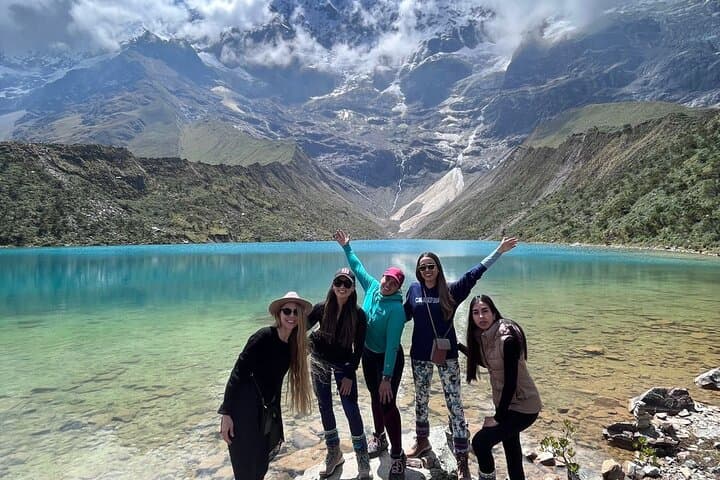
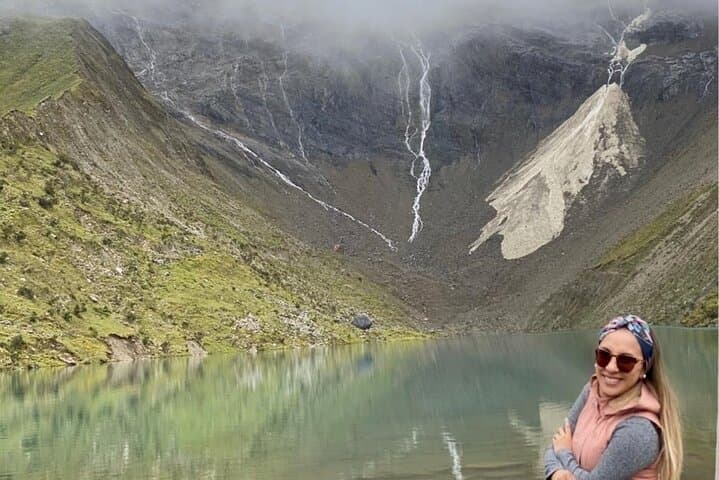
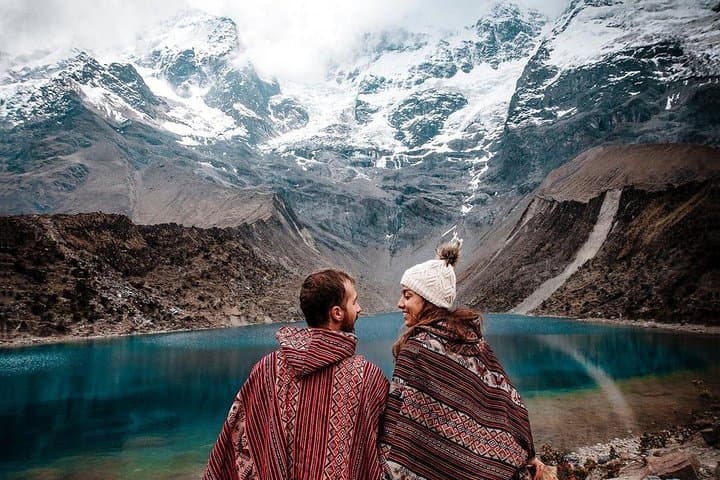
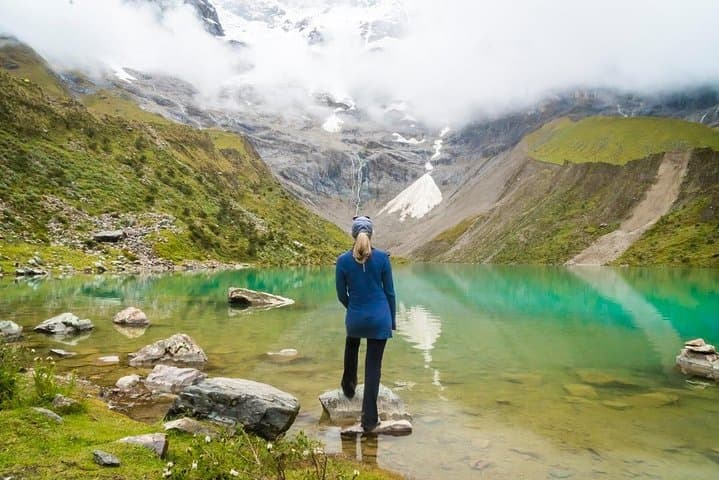
You arrive before dawn, the van humming through puna grasslands as peaks darken into silhouette. By the time the convoy slows at the trailhead above Mollepata or Soraypampa, the air is thin and cold; the mountain seems to hold its breath. The hike climbs on a steep, rocky switchback toward a bowl of brilliant blue — Laguna Humantay — framed by the glacial shoulder of the Humantay massif.
Verified experiences and guided adventures in the surrounding area.
Operated by Andean Perú Trip Advisors · Cusco, Cusco
You arrive before dawn, the van humming through puna grasslands as peaks darken into silhouette. By the time the convoy slows at the trailhead above Mollepata or Soraypampa, the air is thin and cold; the mountain seems to hold its breath. The hike climbs on a steep, rocky switchback toward a bowl of brilliant blue — Laguna Humantay — framed by the glacial shoulder of the Humantay massif.
The lake sits at high Andean altitude (roughly 4,200–4,300 m) carved where glaciers scoured granite and moraine. The route follows compacted earth and stone, moving through ichu grass, hardy shrubs, and occasional wetland pools. Local Quechua communities regard the lake and surrounding peaks as apus — sacred mountain spirits — and offerings at small cairns speak to a long-lived cultural relationship with these high places.
Expect 1–1.5 hours of ascent (about 3–4 km round trip) and roughly 350–450 m of elevation gain from the upper parking area; the full tour from Cusco runs 9–10 hours including transport, meal stops, and photo time at the lagoon. Horses are commonly available for part of the climb; guides provide bilingual orientation and safety briefings.
Practical guidance: prioritize altitude acclimatization in Cusco for 24–48 hours, carry at least 1–2 liters of water, sun protection, and warm layers for wind and temperature swings. Travel in sturdy boots with ankle support and consider trekking poles or a rented cane for the steep sections. Start early to avoid afternoon weather changes and allow time at the lake for photos and quiet reflection.
moderate.
9–10 hours (door-to-door); 2–3 hours hiking total.
Moderate fitness with ability to hike uphill at high altitude; comfortable with steep, rocky terrain for up to 1.5 hours.
From the upper parking at Soraypampa the round-trip hike is typically 3–4 km and takes about 2–3 hours total depending on pace and acclimatization.
Yes — horses are often available for the final, steeper section; they generally cover the last 15–20 minutes but availability and safety standards vary by operator.
It can be — the lake sits above 4,000 m; rest in Cusco before the trip, move slowly, stay hydrated, and communicate symptoms to your guide immediately.
Basic restroom facilities and a meal stop are available at the trailhead/nearby villages; the tour typically includes breakfast and a buffet lunch per the itinerary.
Humantay and surrounding peaks are part of the Salkantay massif; local communities have long regarded them as sacred apus and performed offerings to ensure agricultural fertility.
Visitors should stay on trail, pack out all waste, and avoid bringing plastic single-use items; guided groups limit numbers to reduce erosion and cultural impact.
Andean Perú Trip Advisors operates guided outdoor trips and adventures with an emphasis on safety, stewardship, and memorable experiences.
You arrive before dawn, the van humming through puna grasslands as peaks darken into silhouette. By the time the convoy slows at the trailhead above Mollepata or Soraypampa, the air is thin and cold; the mountain seems to hold its breath. The hike climbs on a steep, rocky switchback toward a bowl of brilliant blue — Laguna Humantay — framed by the glacial shoulder of the Humantay massif.
You arrive before dawn, the van humming through puna grasslands as peaks darken into silhouette. By the time the convoy slows at the trailhead above Mollepata or Soraypampa, the air is thin and cold; the mountain seems to hold its breath. The hike climbs on a steep, rocky switchback toward a bowl of brilliant blue — Laguna Humantay — framed by the glacial shoulder of the Humantay massif.
The lake sits at high Andean altitude (roughly 4,200–4,300 m) carved where glaciers scoured granite and moraine. The route follows compacted earth and stone, moving through ichu grass, hardy shrubs, and occasional wetland pools. Local Quechua communities regard the lake and surrounding peaks as apus — sacred mountain spirits — and offerings at small cairns speak to a long-lived cultural relationship with these high places.
Expect 1–1.5 hours of ascent (about 3–4 km round trip) and roughly 350–450 m of elevation gain from the upper parking area; the full tour from Cusco runs 9–10 hours including transport, meal stops, and photo time at the lagoon. Horses are commonly available for part of the climb; guides provide bilingual orientation and safety briefings.
Practical guidance: prioritize altitude acclimatization in Cusco for 24–48 hours, carry at least 1–2 liters of water, sun protection, and warm layers for wind and temperature swings. Travel in sturdy boots with ankle support and consider trekking poles or a rented cane for the steep sections. Start early to avoid afternoon weather changes and allow time at the lake for photos and quiet reflection.