THE ADVENTURE COLLECTIVE® · Independent discovery and booking for outdoor travel

A high‑altitude day hike from Cusco leads to Humantay Lagoon — a glacier-fed emerald pool beneath the Salkantay peaks. This guide covers what to expect on trail, cultural context, and practical tips to handle the altitude and terrain.
A high‑altitude day hike from Cusco leads to Humantay Lagoon — a glacier-fed emerald pool beneath the Salkantay peaks. This guide covers what to expect on trail, cultural context, and practical tips to handle the altitude and terrain.
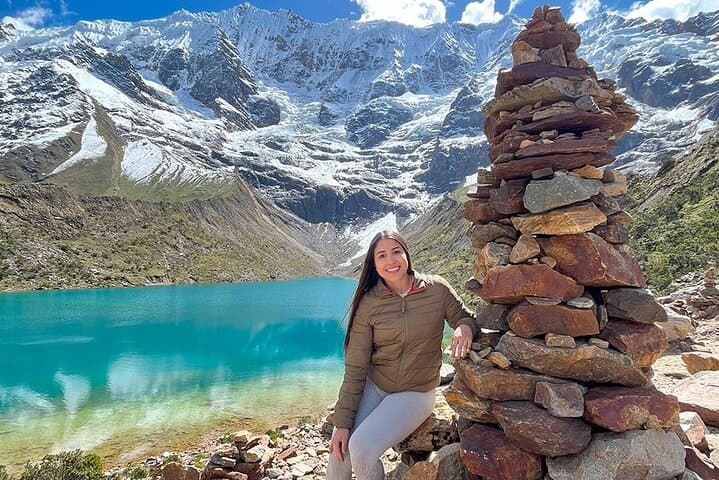
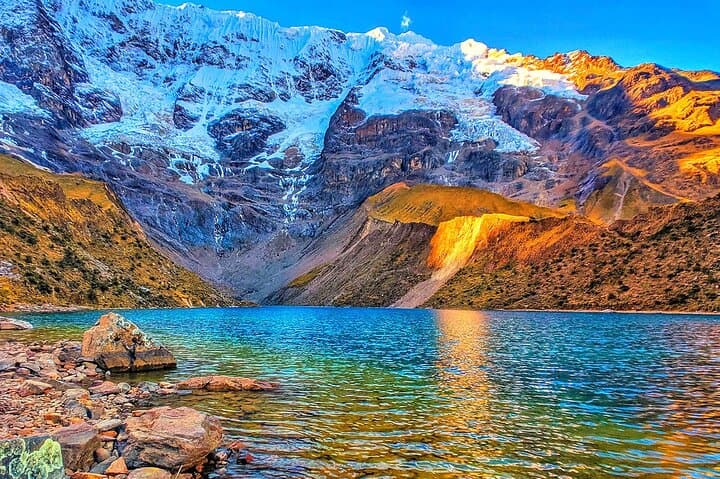
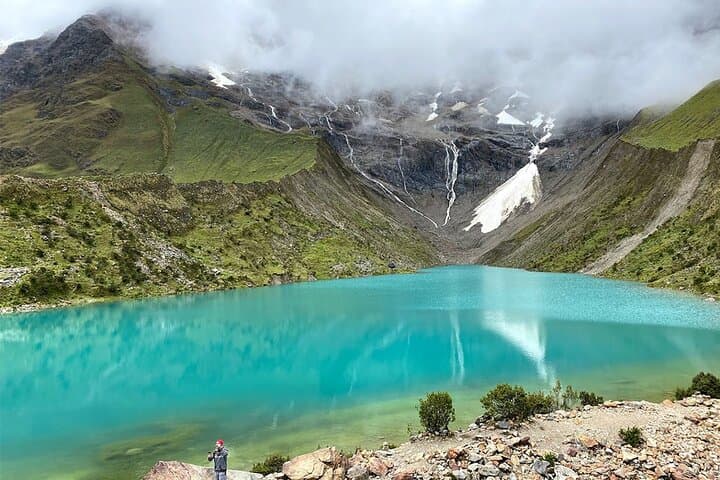
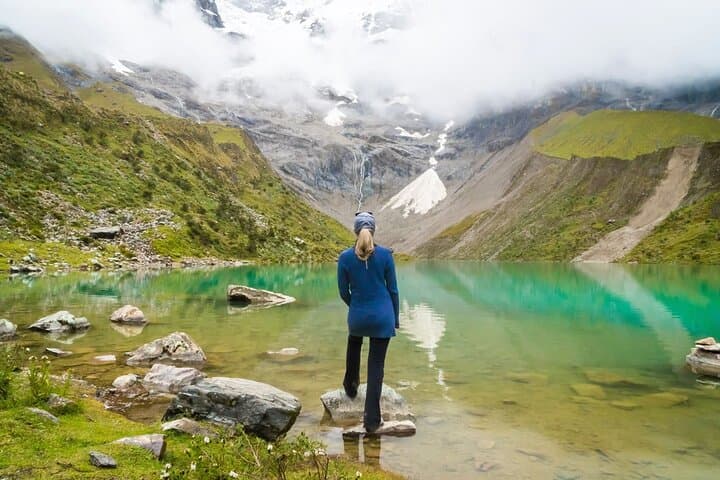
A cold dawn on the Andean road, headlights cutting through mist as the van climbs toward Soraypampa — that first hour hints at the scale of the day. By the time hikers step out at 3,850–4,200 m, the air is thin and the peaks already throwing long shadows. The trail rises over moraine and tussock grass, opening on the glacier-fed Humantay Lagoon: a small, high-altitude basin whose emerald surface reflects the serrated face of the surrounding ice.
Verified experiences and guided adventures in the surrounding area.
Operated by Business Woman Cusco · Cusco, Cusco Region
A cold dawn on the Andean road, headlights cutting through mist as the van climbs toward Soraypampa — that first hour hints at the scale of the day. By the time hikers step out at 3,850–4,200 m, the air is thin and the peaks already throwing long shadows. The trail rises over moraine and tussock grass, opening on the glacier-fed Humantay Lagoon: a small, high-altitude basin whose emerald surface reflects the serrated face of the surrounding ice.
The lake sits beneath the Salkantay massif, part of the Vilcabamba range that shaped pre-Columbian travel routes. Glacial action carved the bowl that now holds the water; Quechua communities still regard the area as apu — a mountain with spiritual presence — and local guides often share those cultural links en route.
Expect 1.5–2 hours of uphill hiking from Soraypampa on a compacted but steep path, followed by time at the shore for photos and acclimatized breathing. Terrain mixes packed earth, loose scree, and short rocky sections; the main challenge is altitude rather than technical difficulty.
Practical edge: start early to avoid crowds and afternoon weather, carry layers for wind and sun, pace yourself to limit altitude strain, and bring snacks and water. Guides handle logistics — pickup in Cusco, transport through Mollepata, and lunch after the hike — but personal preparation matters. Respect fragile high‑Andean vegetation: stay on trail, pack out trash, and leave time to simply watch the glacier-fed water shift color as the sun climbs.
moderate.
12–13 hours (door-to-door).
Suitable for travelers with moderate fitness; ability to hike uphill for 1.5–2 hours at altitude is required.
The trail is steep but non-technical: expect 1.5–2 hours uphill from Soraypampa with significant altitude; pace and acclimatization are the biggest factors.
Mild symptoms are common; prevent them by resting in Cusco beforehand, hydrating, avoiding alcohol, and ascending slowly—seek a guide if symptoms worsen.
Some operators offer horse rides to Soraypampa base, but the final steep sections are usually on foot; confirm availability with your provider beforehand.
Early morning visits (arrival before late morning) avoid afternoon clouds and excessive crowds and offer crisper light for photos.
The area sits within Quechua cultural territory near historic Salkantay travel routes; mountains here were often considered sacred by pre-Columbian peoples.
The high-Andean wetlands and trails are fragile—stay on paths, carry out trash, and avoid disturbing vegetation to limit erosion and habitat loss.
Business Woman Cusco operates guided outdoor trips and adventures with an emphasis on safety, stewardship, and memorable experiences.
A cold dawn on the Andean road, headlights cutting through mist as the van climbs toward Soraypampa — that first hour hints at the scale of the day. By the time hikers step out at 3,850–4,200 m, the air is thin and the peaks already throwing long shadows. The trail rises over moraine and tussock grass, opening on the glacier-fed Humantay Lagoon: a small, high-altitude basin whose emerald surface reflects the serrated face of the surrounding ice.
A cold dawn on the Andean road, headlights cutting through mist as the van climbs toward Soraypampa — that first hour hints at the scale of the day. By the time hikers step out at 3,850–4,200 m, the air is thin and the peaks already throwing long shadows. The trail rises over moraine and tussock grass, opening on the glacier-fed Humantay Lagoon: a small, high-altitude basin whose emerald surface reflects the serrated face of the surrounding ice.
The lake sits beneath the Salkantay massif, part of the Vilcabamba range that shaped pre-Columbian travel routes. Glacial action carved the bowl that now holds the water; Quechua communities still regard the area as apu — a mountain with spiritual presence — and local guides often share those cultural links en route.
Expect 1.5–2 hours of uphill hiking from Soraypampa on a compacted but steep path, followed by time at the shore for photos and acclimatized breathing. Terrain mixes packed earth, loose scree, and short rocky sections; the main challenge is altitude rather than technical difficulty.
Practical edge: start early to avoid crowds and afternoon weather, carry layers for wind and sun, pace yourself to limit altitude strain, and bring snacks and water. Guides handle logistics — pickup in Cusco, transport through Mollepata, and lunch after the hike — but personal preparation matters. Respect fragile high‑Andean vegetation: stay on trail, pack out trash, and leave time to simply watch the glacier-fed water shift color as the sun climbs.