THE ADVENTURE COLLECTIVE® · Independent discovery and booking for outdoor travel

A high-altitude full-day trek from Cusco to Laguna Humantay that rewards a steady climb with a vivid turquoise glacial lake and dramatic Salkantay views. Expect long drives, thin air and quick-changing weather; acclimatization and layers are essential.
A high-altitude full-day trek from Cusco to Laguna Humantay that rewards a steady climb with a vivid turquoise glacial lake and dramatic Salkantay views. Expect long drives, thin air and quick-changing weather; acclimatization and layers are essential.
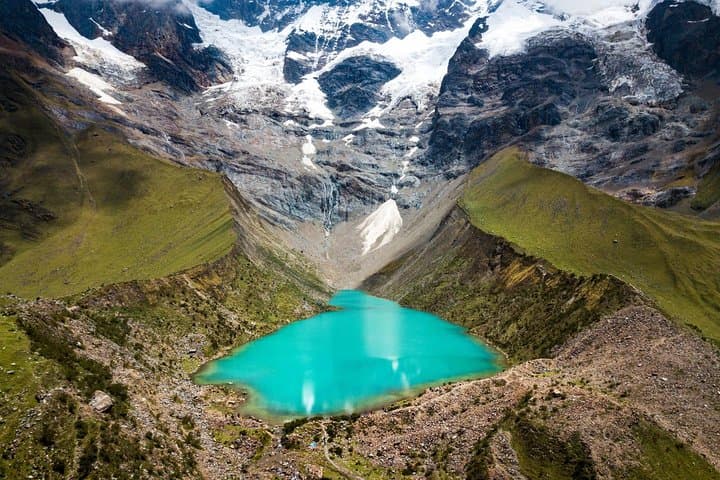
You step out before dawn in Cusco and the van threads uphill, townsblinking away as Andean air sharpens. Three hours later the road delivers you to Soraypampa at about 3,800 m; the trail yawns into a high pampa with wind that seems to measure your lungs. The climb is steady—two hours of switchbacks and stony steps—until the lake reveals itself in an impossible turquoise bowl beneath the glaciated flanks of Humantay.
Verified experiences and guided adventures in the surrounding area.
Operated by Luxury Machupicchu · Cusco, Cusco Region
You step out before dawn in Cusco and the van threads uphill, townsblinking away as Andean air sharpens. Three hours later the road delivers you to Soraypampa at about 3,800 m; the trail yawns into a high pampa with wind that seems to measure your lungs. The climb is steady—two hours of switchbacks and stony steps—until the lake reveals itself in an impossible turquoise bowl beneath the glaciated flanks of Humantay.
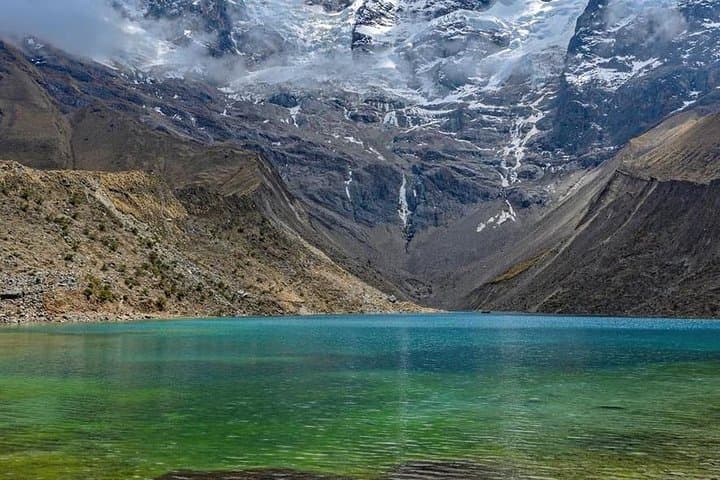
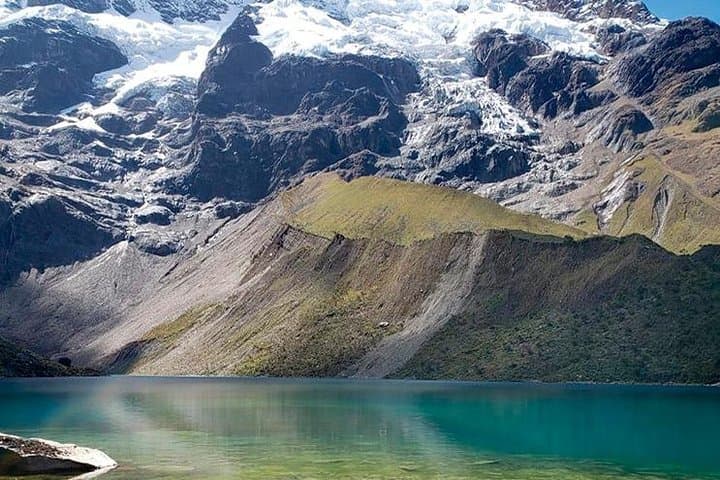
Humantay is a glacial tarn born of retreating ice, its color a result of suspended rock flour catching the high-altitude light. The surrounding peaks are part of the Salkantay massif, a range that has long been respected by Quechua communities; local guides often speak of the mountain as an Apu, a sacred protector. Geologically young and fragile, the lake sits in moraine-limited terrain that changes with seasonal melt.
Expect clear, thin air and sharp temperature swings—sun at midday, bitter cold at the rim. Photography windows are best early and late when light slants across the snow. Guides typically include breakfast and lunch and handle permits and transfers, simplifying logistics but not the physical demands.
Practical notes: acclimatize in Cusco for 24–48 hours if you can; bring layered insulation, good boots, sun protection and at least 2 liters of water. The descent is quicker but uneven—poles help. With careful pacing this full-day outing delivers one of the most immediate, high-altitude lake experiences in the Cusco region.
moderate.
8–10 hours.
Good cardiovascular fitness and experience with steady uphill hikes at altitude; ability to hike 2–3 hours continuously uphill.
The uphill section is typically around 1.5–2 hours depending on pace and acclimatization; descent is generally quicker.
Yes—plan 24–48 hours in Cusco to help your body adjust to 3,400–3,800 m altitude before the trek.
On guided day tours, English-speaking guides, transfers and entrance tickets are usually included—confirm when booking.
This high-altitude hike is not recommended for very young children or people with significant heart, respiratory or spinal problems due to steep sections and altitude.
Humantay and nearby Salkantay sit within landscapes long held sacred by Quechua people; the broader Salkantay corridor was a traditional high route connected to the Inca heartlands.
High-altitude wetlands and glacial lakes are sensitive—stay on trails, pack out all waste and avoid disturbing fragile vegetation or shoreline stones.
Luxury Machupicchu operates guided outdoor trips and adventures with an emphasis on safety, stewardship, and memorable experiences.
You step out before dawn in Cusco and the van threads uphill, townsblinking away as Andean air sharpens. Three hours later the road delivers you to Soraypampa at about 3,800 m; the trail yawns into a high pampa with wind that seems to measure your lungs. The climb is steady—two hours of switchbacks and stony steps—until the lake reveals itself in an impossible turquoise bowl beneath the glaciated flanks of Humantay.
You step out before dawn in Cusco and the van threads uphill, townsblinking away as Andean air sharpens. Three hours later the road delivers you to Soraypampa at about 3,800 m; the trail yawns into a high pampa with wind that seems to measure your lungs. The climb is steady—two hours of switchbacks and stony steps—until the lake reveals itself in an impossible turquoise bowl beneath the glaciated flanks of Humantay.
Humantay is a glacial tarn born of retreating ice, its color a result of suspended rock flour catching the high-altitude light. The surrounding peaks are part of the Salkantay massif, a range that has long been respected by Quechua communities; local guides often speak of the mountain as an Apu, a sacred protector. Geologically young and fragile, the lake sits in moraine-limited terrain that changes with seasonal melt.
Expect clear, thin air and sharp temperature swings—sun at midday, bitter cold at the rim. Photography windows are best early and late when light slants across the snow. Guides typically include breakfast and lunch and handle permits and transfers, simplifying logistics but not the physical demands.
Practical notes: acclimatize in Cusco for 24–48 hours if you can; bring layered insulation, good boots, sun protection and at least 2 liters of water. The descent is quicker but uneven—poles help. With careful pacing this full-day outing delivers one of the most immediate, high-altitude lake experiences in the Cusco region.