THE ADVENTURE COLLECTIVE® · Independent discovery and booking for outdoor travel

A compact 2-day itinerary that pairs the chromatic cliffs of Hornocal with the cliffside village of Iruya. Expect 4x4 driving, short hikes, high-altitude viewpoints, and authentic northern Argentine culture.
A compact 2-day itinerary that pairs the chromatic cliffs of Hornocal with the cliffside village of Iruya. Expect 4x4 driving, short hikes, high-altitude viewpoints, and authentic northern Argentine culture.
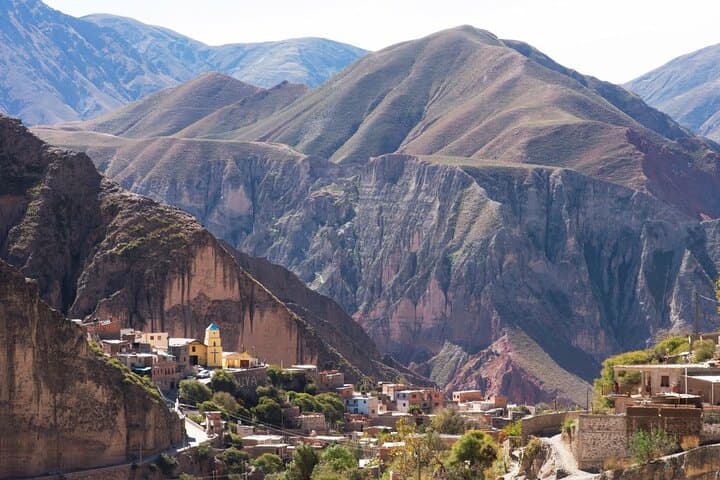
The engine settles into a steady hum as the 4x4 climbs out of the fertile Lerma Valley and into the high Andes. Dust rises in low curtains, wind shapes the scrub, and the road opens to raw ridgelines where strata stand like pages of geological history. On day one the route threads market squares and adobe streets; by evening Iruya’s whitewashed houses cling to a bowl of mountains and the light slants gold across steep terraces.
Verified experiences and guided adventures in the surrounding area.
Operated by Chilto Viajero · Salta, Salta Province
The engine settles into a steady hum as the 4x4 climbs out of the fertile Lerma Valley and into the high Andes. Dust rises in low curtains, wind shapes the scrub, and the road opens to raw ridgelines where strata stand like pages of geological history. On day one the route threads market squares and adobe streets; by evening Iruya’s whitewashed houses cling to a bowl of mountains and the light slants gold across steep terraces.
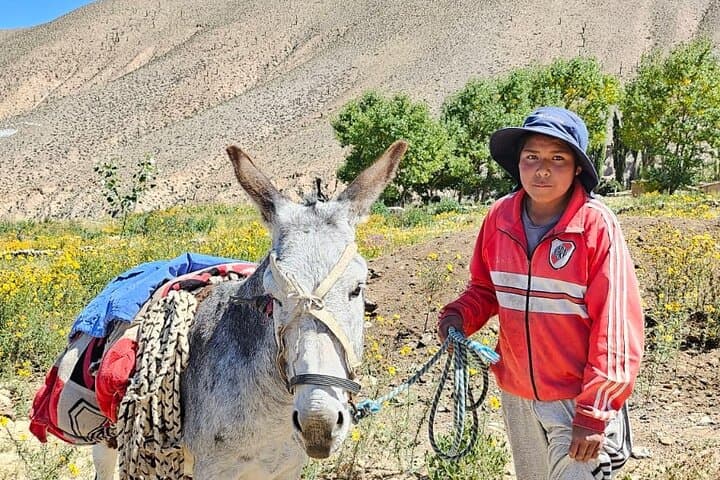
This two-day loop links colonial and pre-Columbian history with dramatic geology. Hornocal — the “Cerro de los 14 Colores” — is a folded cliff of limestone and shale, uplifted by tectonic forces and revealed in colorful banding. Humahuaca preserves colonial plazas, a Monument to Independence, and markets where Quechua and Jujuy traditions remain visible in textiles and cuisine. The ride itself follows former caravan corridors and salt-trade routes, offering cultural context at every stop.
Practically, expect many short walks on uneven village streets and a higher-elevation lookout at Hornocal (over 4,300 m / 14,100 ft). Weather changes fast: sun can be intense by day and cold at night. Bring layered insulation, sun protection, and walking shoes with grippy soles. Hydrate before and during the drive to manage altitude and move slowly on steep approach trails.
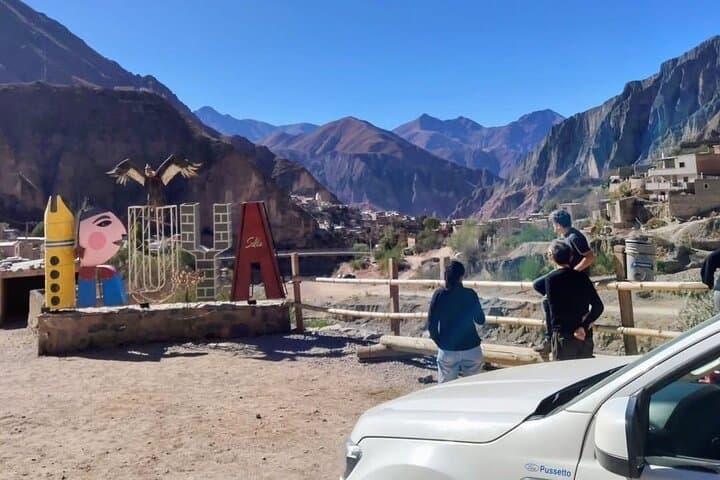
Photography windows are early morning and late afternoon; mid-day light flattens color. Local guides handle navigation and logistics, leaving travelers to focus on observation — the creak of wind across corrals, a condor riding thermals, and the quiet sense of being between tectonic time and living culture.
easy.
2 days.
Suitable for travelers in average physical condition who can handle short, uneven walks and brief altitude exposure
Viewpoints like Hornocal sit above 4,300 m (about 14,100 ft); expect short stays at high altitude and bring precautions for altitude sensitivity.
Overnight is in Iruya in local guesthouse or small hotel accommodations — not camping — allowing access to village life at twilight.
The itinerary includes snacks on board; lunches are typically regional meals at local restaurants and may be included depending on the operator — confirm at booking.
The excursion is generally family-friendly, but organizers advise against participation for pregnant travelers and those with serious cardiovascular issues due to altitude and remote roads.
The route follows centuries-old Andean corridors used by indigenous peoples and later colonial roads; Humahuaca’s plaza has long been a regional civic center.
Respect local water availability and pack out waste; fragile puna ecosystems around Hornocal recover slowly from trampling, so stay on established viewpoints.
Chilto Viajero operates guided outdoor trips and adventures with an emphasis on safety, stewardship, and memorable experiences.

The engine settles into a steady hum as the 4x4 climbs out of the fertile Lerma Valley and into the high Andes. Dust rises in low curtains, wind shapes the scrub, and the road opens to raw ridgelines where strata stand like pages of geological history. On day one the route threads market squares and adobe streets; by evening Iruya’s whitewashed houses cling to a bowl of mountains and the light slants gold across steep terraces.
The engine settles into a steady hum as the 4x4 climbs out of the fertile Lerma Valley and into the high Andes. Dust rises in low curtains, wind shapes the scrub, and the road opens to raw ridgelines where strata stand like pages of geological history. On day one the route threads market squares and adobe streets; by evening Iruya’s whitewashed houses cling to a bowl of mountains and the light slants gold across steep terraces.
This two-day loop links colonial and pre-Columbian history with dramatic geology. Hornocal — the “Cerro de los 14 Colores” — is a folded cliff of limestone and shale, uplifted by tectonic forces and revealed in colorful banding. Humahuaca preserves colonial plazas, a Monument to Independence, and markets where Quechua and Jujuy traditions remain visible in textiles and cuisine. The ride itself follows former caravan corridors and salt-trade routes, offering cultural context at every stop.
Practically, expect many short walks on uneven village streets and a higher-elevation lookout at Hornocal (over 4,300 m / 14,100 ft). Weather changes fast: sun can be intense by day and cold at night. Bring layered insulation, sun protection, and walking shoes with grippy soles. Hydrate before and during the drive to manage altitude and move slowly on steep approach trails.
Photography windows are early morning and late afternoon; mid-day light flattens color. Local guides handle navigation and logistics, leaving travelers to focus on observation — the creak of wind across corrals, a condor riding thermals, and the quiet sense of being between tectonic time and living culture.