THE ADVENTURE COLLECTIVE® · Independent discovery and booking for outdoor travel

Spend two hours among 19th-century orange groves at Huerto Ribera, learning pruning, grafting and sorting before sampling Valencian km‑0 products. Perfect for curious travelers who want a hands-on agricultural experience just outside Valencia.
Spend two hours among 19th-century orange groves at Huerto Ribera, learning pruning, grafting and sorting before sampling Valencian km‑0 products. Perfect for curious travelers who want a hands-on agricultural experience just outside Valencia.
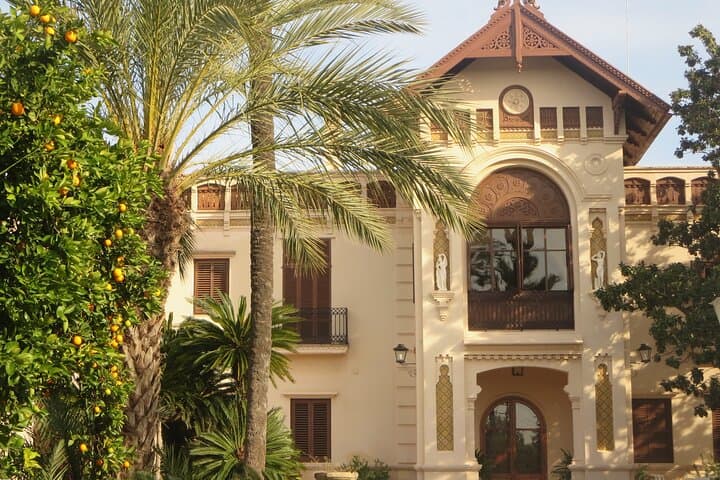
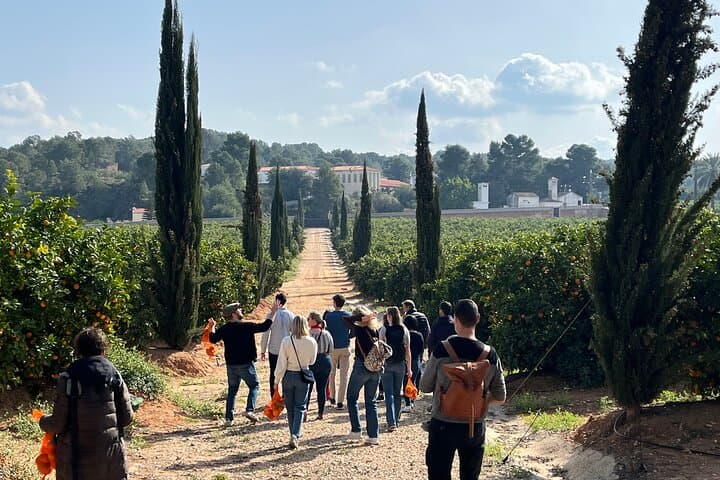
Walk into a sunlit orange grove and feel the citrus-sweet air press gently against your cheeks. In Huerto Ribera, rows of trees lean toward the irrigation channels, their glossy leaves catching light as guides through a landscape that has fed this region for generations.
Verified experiences and guided adventures in the surrounding area.
Operated by Huerto Ribera · Carcaixent, Valencian Community
Walk into a sunlit orange grove and feel the citrus-sweet air press gently against your cheeks. In Huerto Ribera, rows of trees lean toward the irrigation channels, their glossy leaves catching light as guides through a landscape that has fed this region for generations.
This is the birthplace of commercial Valencian oranges: a working farm founded in the 19th century that still demonstrates traditional pruning, grafting and irrigation practices. The local soils—alluvial plains fed by the Júcar—give the citrus a distinct balance of acidity and fragrance. Along the paths you’ll notice bees busy at the flowers and and old stone terraces that mark past cultivation patterns.
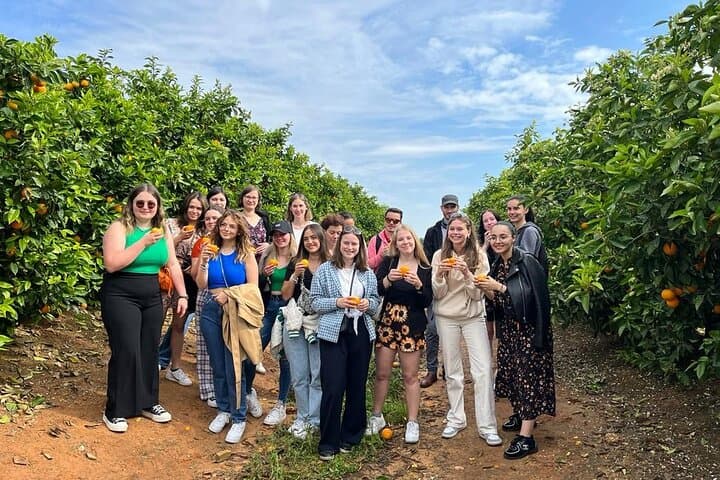
The visit pairs agricultural history with hands-on learning: walk the groves, harvest fruit in season, and move to the warehouse to see sorting and packing—an honest look at the supply chain from field to crate. Finish with a tasting of Km 0 Valencian products—orange blossom honey, artisan jams and local liqueurs—that anchor the sensory tour.
Practical guidance: the experience is easy and family-friendly, about two hours total. Wear sturdy shoes for uneven farm paths, sun protection for open rows, and bring a small bag for any fruit you pick. Trains from Valencia can drop you close; operators can coordinate a short group taxi for the last mile. Expect informative, low-impact farming practices and a chance to understand both the culture and economy tied to Valencia’s emblematic citrus.
easy.
2 hours.
Suitable for all fitness levels; involves walking on flat to gently uneven farm terrain
Take the regional train toward Carcaixent and request a taxi for the final short transfer; the operator can coordinate a group taxi if notified in advance.
Yes—if fruit is in season you can collect and usually purchase what you pick, and the farm demonstrates packing and shipping for purchases across Europe.
Yes; the visit is rated easy and family-friendly, but children should be supervised around equipment and in the packing warehouse.
The tasting focuses on local artisan products; let the host know any allergies or restrictions when booking so they can adapt offerings where possible.
Carcaixent and the Ribera region were central to the 19th-century expansion of Valencian citrus exports; many farms date to that era and reflect agricultural shifts tied to irrigation from the Júcar.
Citrus farming here depends on responsible water use and soil care; tours emphasize low-impact practices and the pressures of modern irrigation and development on traditional groves.
Huerto Ribera operates guided outdoor trips and adventures with an emphasis on safety, stewardship, and memorable experiences.
Walk into a sunlit orange grove and feel the citrus-sweet air press gently against your cheeks. In Huerto Ribera, rows of trees lean toward the irrigation channels, their glossy leaves catching light as guides through a landscape that has fed this region for generations.
Walk into a sunlit orange grove and feel the citrus-sweet air press gently against your cheeks. In Huerto Ribera, rows of trees lean toward the irrigation channels, their glossy leaves catching light as guides through a landscape that has fed this region for generations.
This is the birthplace of commercial Valencian oranges: a working farm founded in the 19th century that still demonstrates traditional pruning, grafting and irrigation practices. The local soils—alluvial plains fed by the Júcar—give the citrus a distinct balance of acidity and fragrance. Along the paths you’ll notice bees busy at the flowers and and old stone terraces that mark past cultivation patterns.
The visit pairs agricultural history with hands-on learning: walk the groves, harvest fruit in season, and move to the warehouse to see sorting and packing—an honest look at the supply chain from field to crate. Finish with a tasting of Km 0 Valencian products—orange blossom honey, artisan jams and local liqueurs—that anchor the sensory tour.
Practical guidance: the experience is easy and family-friendly, about two hours total. Wear sturdy shoes for uneven farm paths, sun protection for open rows, and bring a small bag for any fruit you pick. Trains from Valencia can drop you close; operators can coordinate a short group taxi for the last mile. Expect informative, low-impact farming practices and a chance to understand both the culture and economy tied to Valencia’s emblematic citrus.