THE ADVENTURE COLLECTIVE® · Independent discovery and booking for outdoor travel

Ride a classic open-air Jeep over the legendary Hai Van Pass, pause at Lập An lagoon and Lăng Cô Beach, then roll into Hoi An’s lantern-lit streets—an eight-hour coastal crossing that pairs dramatic viewpoints with local stops and a simple lunch.
Ride a classic open-air Jeep over the legendary Hai Van Pass, pause at Lập An lagoon and Lăng Cô Beach, then roll into Hoi An’s lantern-lit streets—an eight-hour coastal crossing that pairs dramatic viewpoints with local stops and a simple lunch.
The morning light catches on corrugated tin roofs as the Jeep rumbles away from Hue’s Citadel and climbs toward the clouds. Wind tugs at jacket sleeves and the road curls upward—each bend opens to a new slice of coastline, where limestone ridges drop to turquoise water. The pass breathes—sea spray daring you to look over the rail, mountain pines holding steady above the road.
Verified experiences and guided adventures in the surrounding area.
Operated by Chill Tourist · Hue, Thừa Thiên-Huế Province
The morning light catches on corrugated tin roofs as the Jeep rumbles away from Hue’s Citadel and climbs toward the clouds. Wind tugs at jacket sleeves and the road curls upward—each bend opens to a new slice of coastline, where limestone ridges drop to turquoise water. The pass breathes—sea spray daring you to look over the rail, mountain pines holding steady above the road.
Historically the Hai Van Pass marked the boundary between northern and southern Vietnam and has been a strategic gateway for centuries; ruins and old 海防 (coastal) watch stations still pepper the route. Geologically the pass is a limestone spine where marine sediment was thrust up and weathered into steep cliffs and sheltered lagoons like Lập An. Culturally the drive threads together imperial Hue, fishing hamlets at Lăng Cô, and the merchant lanes of Hoi An, offering a compact cross-section of central Vietnam.
Practical side: the pass is roughly 20–25 km of winding asphalt, rising to about 500 m at its highest viewpoints. Expect frequent photo stops, short walks to overlooks, and a relaxed one-way transfer of about eight hours including a simple local lunch. Motion-sensitive travelers should sit forward and hydrate; an open-air Jeep amplifies wind and sun exposure. Footwear should be sturdy but casual—sneakers or light hiking shoes for quick viewpoint walks. Best times are dry season mornings (Feb–Aug) for clearer views; monsoon months bring low clouds and spray.
This trip is equal parts scenic transfer and short-excursion—ideal for travelers who want dramatic landscapes without a full day of trekking.
easy.
8 hours.
Suitable for all fitness levels; mobility to climb short stairways and uneven viewpoints recommended
This private one-way tour typically picks up in Hue city center and drops off in Hoi An city.
Yes; Jeeps are driven by experienced local drivers and are fitted for passenger safety, though wind and road noise are part of the experience.
The tour includes entrance fees listed on the itinerary and a simple local lunch plus two bottles of water per person.
The operator generally runs the tour in light rain; heavy storms can reduce visibility on the pass—confirm policies before booking as refunds are final.
The Hai Van corridor has long been a military and cultural frontier between northern and central Vietnam; remnants of old guard posts still line the route.
Coastal development and tourism pressure threaten dune and lagoon habitats; stick to trails, avoid littering, and support local vendors to keep small-scale economies viable.
Chill Tourist operates guided outdoor trips and adventures with an emphasis on safety, stewardship, and memorable experiences.
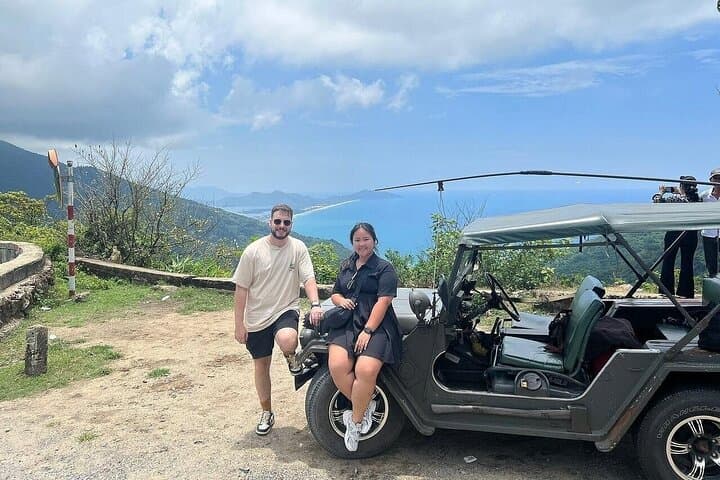
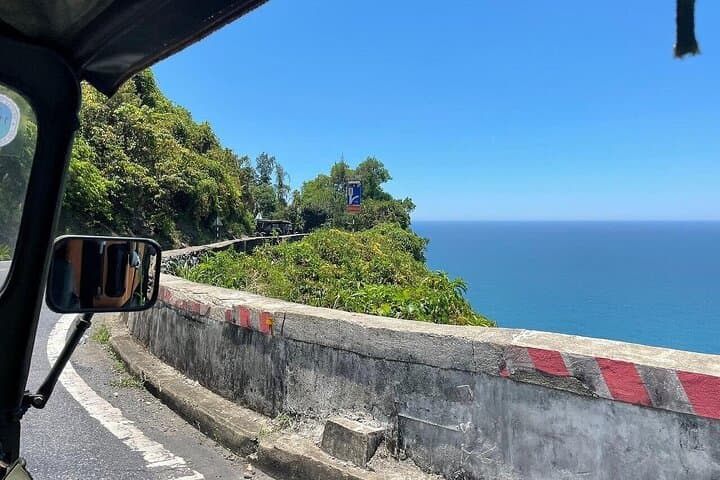


The morning light catches on corrugated tin roofs as the Jeep rumbles away from Hue’s Citadel and climbs toward the clouds. Wind tugs at jacket sleeves and the road curls upward—each bend opens to a new slice of coastline, where limestone ridges drop to turquoise water. The pass breathes—sea spray daring you to look over the rail, mountain pines holding steady above the road.
The morning light catches on corrugated tin roofs as the Jeep rumbles away from Hue’s Citadel and climbs toward the clouds. Wind tugs at jacket sleeves and the road curls upward—each bend opens to a new slice of coastline, where limestone ridges drop to turquoise water. The pass breathes—sea spray daring you to look over the rail, mountain pines holding steady above the road.
Historically the Hai Van Pass marked the boundary between northern and southern Vietnam and has been a strategic gateway for centuries; ruins and old 海防 (coastal) watch stations still pepper the route. Geologically the pass is a limestone spine where marine sediment was thrust up and weathered into steep cliffs and sheltered lagoons like Lập An. Culturally the drive threads together imperial Hue, fishing hamlets at Lăng Cô, and the merchant lanes of Hoi An, offering a compact cross-section of central Vietnam.
Practical side: the pass is roughly 20–25 km of winding asphalt, rising to about 500 m at its highest viewpoints. Expect frequent photo stops, short walks to overlooks, and a relaxed one-way transfer of about eight hours including a simple local lunch. Motion-sensitive travelers should sit forward and hydrate; an open-air Jeep amplifies wind and sun exposure. Footwear should be sturdy but casual—sneakers or light hiking shoes for quick viewpoint walks. Best times are dry season mornings (Feb–Aug) for clearer views; monsoon months bring low clouds and spray.
This trip is equal parts scenic transfer and short-excursion—ideal for travelers who want dramatic landscapes without a full day of trekking.