THE ADVENTURE COLLECTIVE® · Independent discovery and booking for outdoor travel

A full-day journey from Hue into Quang Tri Province that traces the former 17th Parallel—visit the Vinh Moc underground village, Khe Sanh Combat Base and wartime landmarks while learning the strategic and human stories of the Vietnam War.
A full-day journey from Hue into Quang Tri Province that traces the former 17th Parallel—visit the Vinh Moc underground village, Khe Sanh Combat Base and wartime landmarks while learning the strategic and human stories of the Vietnam War.
You step into a cool minivan outside a Hue hotel before sunrise and the road rearranges itself—rice paddies flatten into lowland scrub, then the landscape tightens toward the Annamite foothills. The day stretches as a corridor of history: rutted bridges, river crossings and the scars of battle that still outline Quang Tri’s fields.
Verified experiences and guided adventures in the surrounding area.
Operated by Local Tours PU LUONG · Dong Ha, Quang Tri
You step into a cool minivan outside a Hue hotel before sunrise and the road rearranges itself—rice paddies flatten into lowland scrub, then the landscape tightens toward the Annamite foothills. The day stretches as a corridor of history: rutted bridges, river crossings and the scars of battle that still outline Quang Tri’s fields.
The DMZ follows the former 17th parallel. Here the Ben Hai River and Hien Luong Bridge mark a divided nation’s story; nearby the Vinh Moc Tunnels reveal civilian ingenuity—an underground village carved into soft coastal soils—and Khe Sanh sits higher, a plateau that played out as one of the conflict’s most contested bases.
Geologically the route moves from coastal plain to limestone-and-red-soil foothills; expect lowland humidity giving way to cooler, windier air around Khe Sanh (roughly 900 m elevation). Culture and memory are present in stone and shell—Quang Tri Citadel’s ruined ramparts and Long Hung Church’s war-burned Gothic facade are part museum, part shrine.
Practical: this is a long, 10–11 hour day tour with several short walks (typically 0.5–2 km) on uneven ground, stairs and narrow tunnel passages. Bring sturdy closed-toe shoes, at least 1–2 liters of water, sun protection and a small flashlight for tunnels. Photography is allowed at most sites but show restraint in memorial areas. Note medical advisories for pregnant travelers and those with cardiovascular or spinal conditions; the trip includes extended driving between sites. Arrive prepared for heat, humidity and vivid history—this is a day that asks for physical readiness and quiet attention in equal measure.
easy.
10–11 hours.
Suitable for travelers in average physical condition who can manage several short walks and periods of standing
The trip is about 10–11 hours with several hours of driving (roughly 200–250 km round-trip) between Hue and the DMZ sites; expect multiple stops for walking and guided visits.
Visitors can enter sections of the tunnels but must navigate low passages and stairs; those with mobility, spinal or cardiovascular issues should avoid entering confined sections.
A picnic lunch and bottled water are typically included, but bring snacks if you have specific dietary needs.
Entrance fees are usually included, but carry small Vietnamese dong for incidental purchases, donations at memorials and tipping the guide/driver.
The DMZ traced the post‑1954 division along the 17th parallel; the corridor saw intense combat, notably at Khe Sanh and during the 1972 Easter Offensive.
Many sites are preserved as memorials and museums; stay on marked paths to avoid unexploded ordnance zones and support local guides and museums to foster conservation and education.
Local Tours PU LUONG operates guided outdoor trips and adventures with an emphasis on safety, stewardship, and memorable experiences.

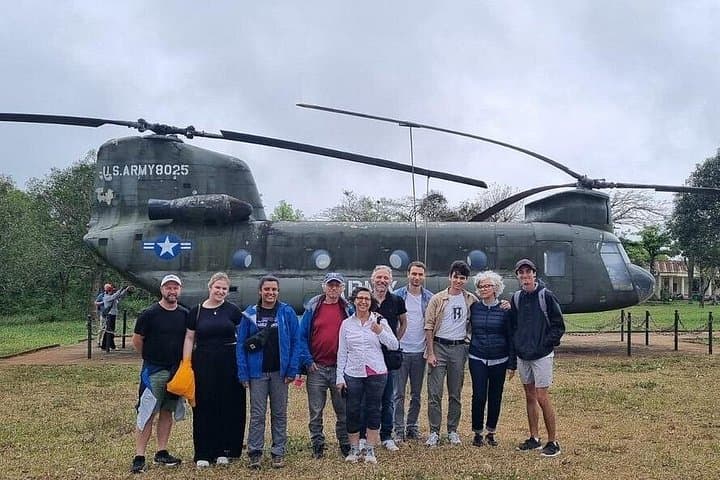
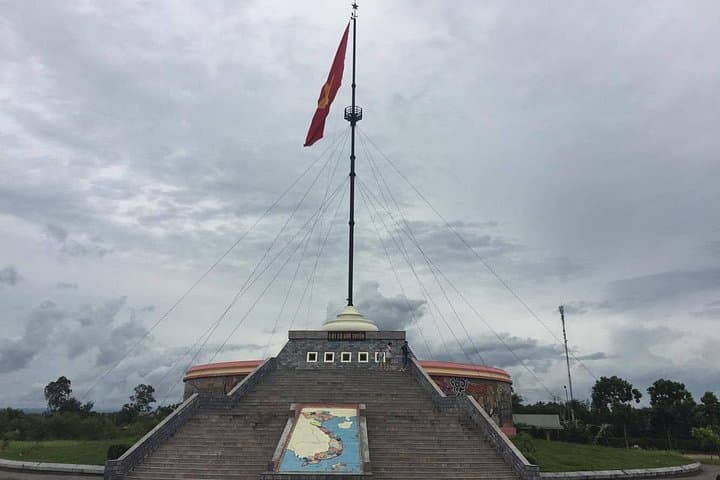
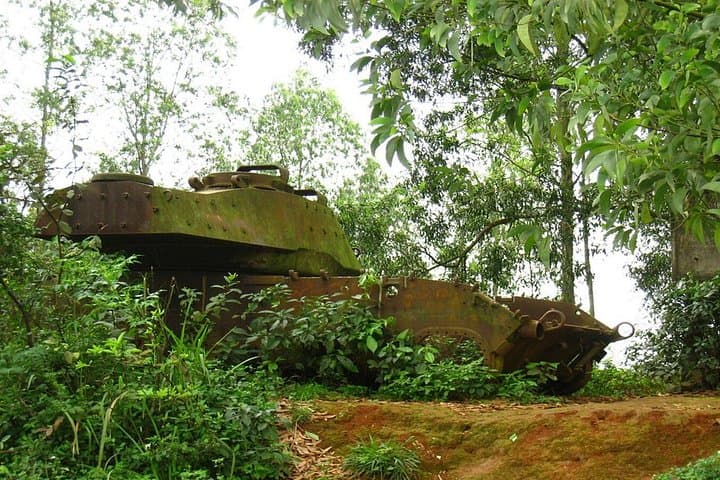
You step into a cool minivan outside a Hue hotel before sunrise and the road rearranges itself—rice paddies flatten into lowland scrub, then the landscape tightens toward the Annamite foothills. The day stretches as a corridor of history: rutted bridges, river crossings and the scars of battle that still outline Quang Tri’s fields.
You step into a cool minivan outside a Hue hotel before sunrise and the road rearranges itself—rice paddies flatten into lowland scrub, then the landscape tightens toward the Annamite foothills. The day stretches as a corridor of history: rutted bridges, river crossings and the scars of battle that still outline Quang Tri’s fields.
The DMZ follows the former 17th parallel. Here the Ben Hai River and Hien Luong Bridge mark a divided nation’s story; nearby the Vinh Moc Tunnels reveal civilian ingenuity—an underground village carved into soft coastal soils—and Khe Sanh sits higher, a plateau that played out as one of the conflict’s most contested bases.
Geologically the route moves from coastal plain to limestone-and-red-soil foothills; expect lowland humidity giving way to cooler, windier air around Khe Sanh (roughly 900 m elevation). Culture and memory are present in stone and shell—Quang Tri Citadel’s ruined ramparts and Long Hung Church’s war-burned Gothic facade are part museum, part shrine.
Practical: this is a long, 10–11 hour day tour with several short walks (typically 0.5–2 km) on uneven ground, stairs and narrow tunnel passages. Bring sturdy closed-toe shoes, at least 1–2 liters of water, sun protection and a small flashlight for tunnels. Photography is allowed at most sites but show restraint in memorial areas. Note medical advisories for pregnant travelers and those with cardiovascular or spinal conditions; the trip includes extended driving between sites. Arrive prepared for heat, humidity and vivid history—this is a day that asks for physical readiness and quiet attention in equal measure.