THE ADVENTURE COLLECTIVE® · Independent discovery and booking for outdoor travel

Trace Vietnam’s wartime border one day and explore vast limestone caves the next on this private 2-day tour from Hue. Combining poignant DMZ sites with Phong Nha’s karst caverns, the trip pairs history and geology with practical, small-group logistics.
Trace Vietnam’s wartime border one day and explore vast limestone caves the next on this private 2-day tour from Hue. Combining poignant DMZ sites with Phong Nha’s karst caverns, the trip pairs history and geology with practical, small-group logistics.
You step out of a low-slung minivan into warm central Vietnamese air and the day opens with river noise and distant limestone ridges. The first day threads between memory and geology: La Vang’s pilgrimage grounds, the Ben Hai River and Hien Luong Bridge where the country was once divided, then deeper into coastal plains toward the Vinh Moc tunnel complex where families lived underground during sustained bombardment.
Verified experiences and guided adventures in the surrounding area.
Operated by Authentic SAPA · Hue, Thừa Thiên Huế Province
You step out of a low-slung minivan into warm central Vietnamese air and the day opens with river noise and distant limestone ridges. The first day threads between memory and geology: La Vang’s pilgrimage grounds, the Ben Hai River and Hien Luong Bridge where the country was once divided, then deeper into coastal plains toward the Vinh Moc tunnel complex where families lived underground during sustained bombardment.
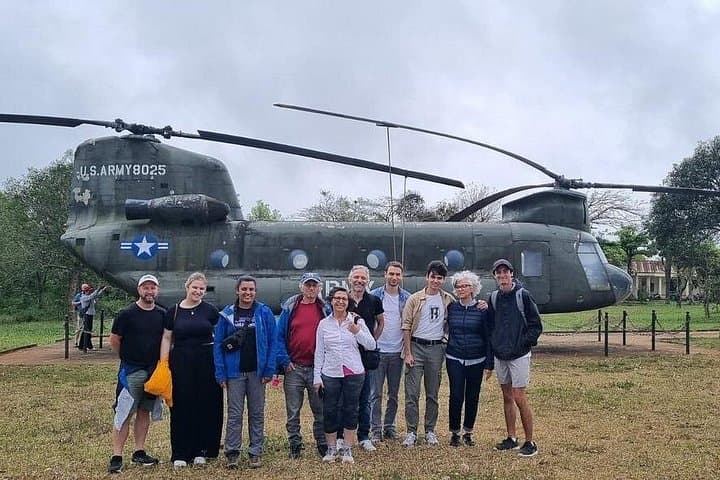
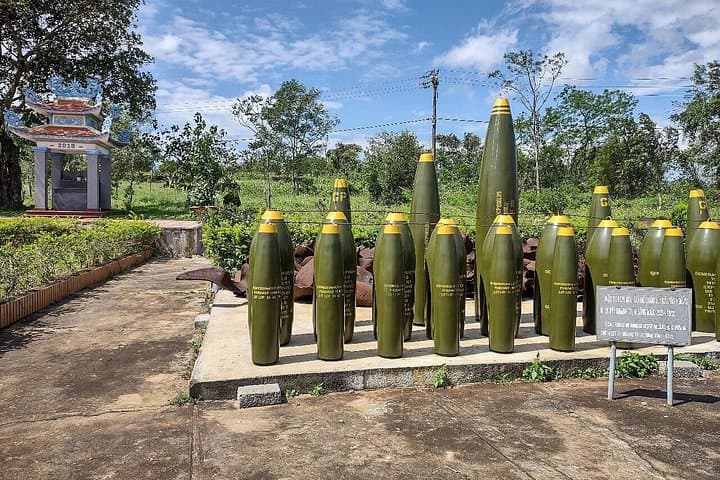
This route stitches modern Vietnamese culture to 20th-century history. The DMZ corridor is raw—rusted relics, concrete remnants and story-lined villages—while Phong Nha lies in contrast: a karst realm carved by water over millions of years. Son River boats push you under cave mouths; stalactites and stalagmites grow like frozen lists of time, and Paradise Cave’s dry chambers rise into cathedral-scale rooms supported by mineral pillars.
Locals in Quang Tri and Phong Nha speak of resilience and stewardship; many guides are descendants of wartime families and know both the human and geological stories. Expect long drives on rural highways, short hikes, stairs inside caves and boat transfers on calm river water.
Practical guidance: pack breathable layers for humid days and cooler cave air, sturdy shoes with good grip, and a small daypack for cameras and water. Bring cash for smaller vendors, and plan for early starts to avoid midday heat and crowds. The tour balances history, culture and subterranean spectacle—ideal for travelers who want context with their adventure.
moderate.
2 days (approx. 10–12 hours per day including transfers and stops).
Suitable for travelers in average fitness; expect long vehicle transfers, short uneven walks, cave stairs, and boat boarding.
The tour departs from Hue with pickup options in town and returns toward Hue after a night in Phong Nha—confirm your exact pickup point when booking.
Entrance fees and boat transfers for Phong Nha and Paradise Cave are included; guides will handle tickets and logistics during the tour.
Short sections are accessible, but caves involve stairs and uneven surfaces; not recommended for travelers with serious mobility constraints or infants without prior planning.
The tour includes one night’s hotel in Phong Nha, two lunches and breakfast on day two—notify the operator in advance for dietary needs.
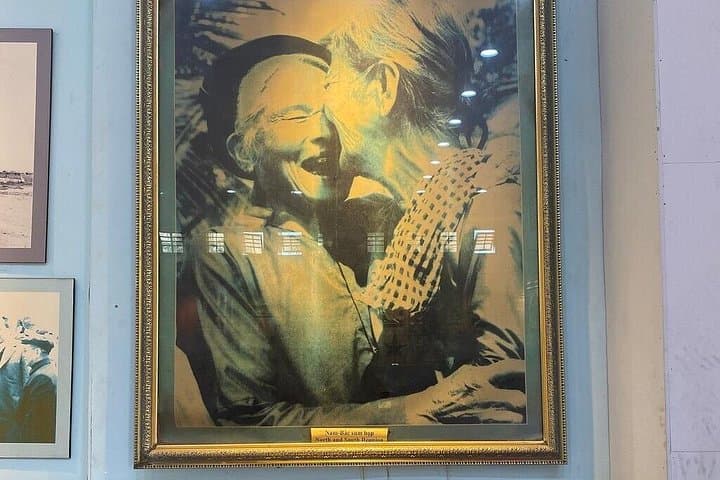
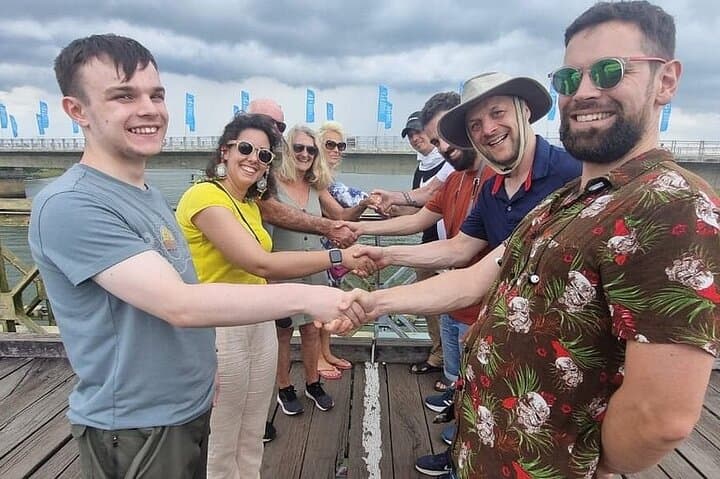
The Hien Luong Bridge and Ben Hai River marked the 17th Parallel after the 1954 Geneva Accords; nearby tunnels at Vinh Moc housed civilians during heavy bombing in the Vietnam War.
Phong Nha–Ke Bang is a protected karst system—stick to marked paths and avoid touching cave formations to preserve fragile mineral growth and local ecosystems.
Authentic SAPA operates guided outdoor trips and adventures with an emphasis on safety, stewardship, and memorable experiences.
You step out of a low-slung minivan into warm central Vietnamese air and the day opens with river noise and distant limestone ridges. The first day threads between memory and geology: La Vang’s pilgrimage grounds, the Ben Hai River and Hien Luong Bridge where the country was once divided, then deeper into coastal plains toward the Vinh Moc tunnel complex where families lived underground during sustained bombardment.
You step out of a low-slung minivan into warm central Vietnamese air and the day opens with river noise and distant limestone ridges. The first day threads between memory and geology: La Vang’s pilgrimage grounds, the Ben Hai River and Hien Luong Bridge where the country was once divided, then deeper into coastal plains toward the Vinh Moc tunnel complex where families lived underground during sustained bombardment.
This route stitches modern Vietnamese culture to 20th-century history. The DMZ corridor is raw—rusted relics, concrete remnants and story-lined villages—while Phong Nha lies in contrast: a karst realm carved by water over millions of years. Son River boats push you under cave mouths; stalactites and stalagmites grow like frozen lists of time, and Paradise Cave’s dry chambers rise into cathedral-scale rooms supported by mineral pillars.
Locals in Quang Tri and Phong Nha speak of resilience and stewardship; many guides are descendants of wartime families and know both the human and geological stories. Expect long drives on rural highways, short hikes, stairs inside caves and boat transfers on calm river water.
Practical guidance: pack breathable layers for humid days and cooler cave air, sturdy shoes with good grip, and a small daypack for cameras and water. Bring cash for smaller vendors, and plan for early starts to avoid midday heat and crowds. The tour balances history, culture and subterranean spectacle—ideal for travelers who want context with their adventure.