THE ADVENTURE COLLECTIVE® · Independent discovery and booking for outdoor travel

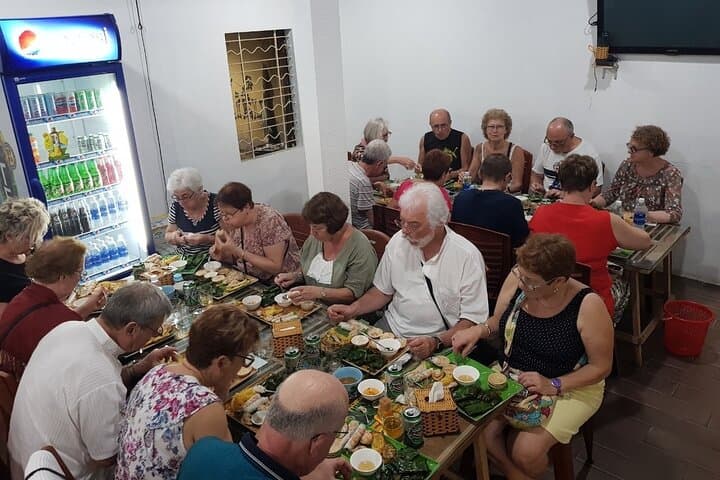
Walk Dong Ba Market and hidden alleys with a local culinary expert to taste Hue’s signature dishes—from banh beo to bun bo Hue. This 4-hour guided food tour mixes market insights, historic context, and hands-on tasting.
Walk Dong Ba Market and hidden alleys with a local culinary expert to taste Hue’s signature dishes—from banh beo to bun bo Hue. This 4-hour guided food tour mixes market insights, historic context, and hands-on tasting.
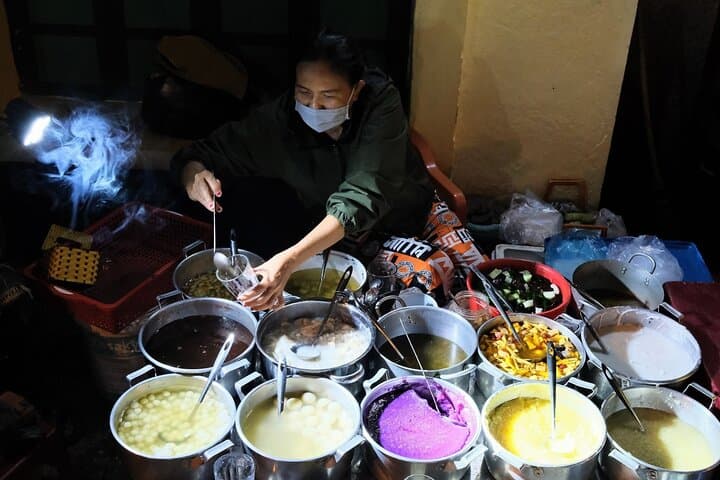
You step off Truong Tien Bridge with the Perfume River at your shoulder, its water daring you to slow down as scooters and street vendors braid together along the quay. The air is immediate—hot oil, lemongrass, sweet coconut—each stall a compact kitchen with a story. This four-hour walking tour threads Dong Ba Market and narrow alleys where Hue’s regal flavors meet everyday life.
Verified experiences and guided adventures in the surrounding area.
Operated by Authentic Travel Ho Chi Minh · Hue, Thua Thien-Hue
You step off Truong Tien Bridge with the Perfume River at your shoulder, its water daring you to slow down as scooters and street vendors braid together along the quay. The air is immediate—hot oil, lemongrass, sweet coconut—each stall a compact kitchen with a story. This four-hour walking tour threads Dong Ba Market and narrow alleys where Hue’s regal flavors meet everyday life.
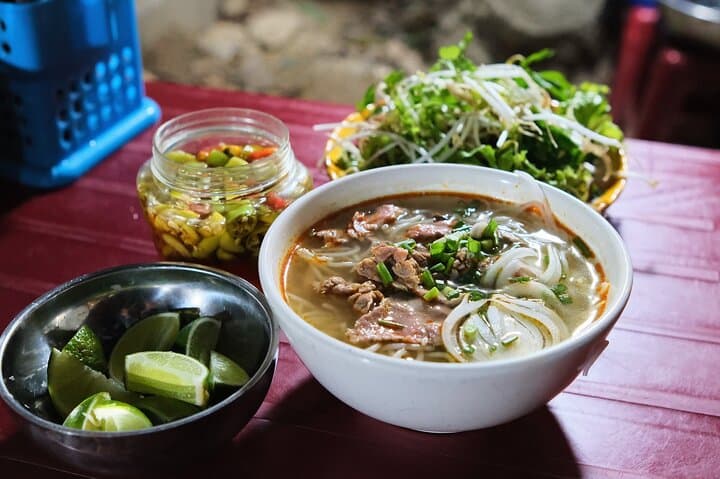
Hue was Vietnam’s imperial capital under the Nguyen dynasty, and that royal lineage still shapes its food: delicate banh beo, the layered complexity of bun bo Hue, and snacks perfected for the court. Geology matters here too—the Perfume River’s alluvial plain supports wet-rice culture and the freshwater produce that define local dishes. Culture is tactile: vendors call by technique, recipes are family maps, and coffee rituals pause the city’s motion.
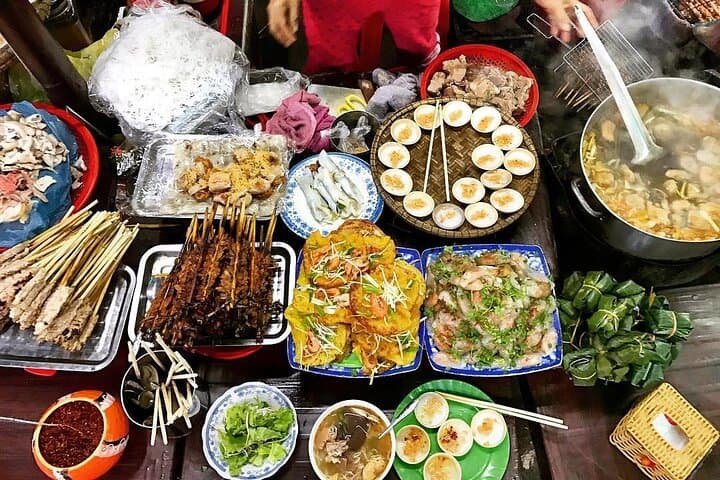
Expect about 3 km of walking on mostly flat, paved streets with under 30 m cumulative elevation gain—easy on the legs but rich on the palate. You’ll taste banh khoai, banh beo, nem lui, and more in modest portions designed for sampling. Guides explain ingredients, show market staples, and highlight seasonal fruits and sweets.
Practical notes: go light—comfortable shoes, a water bottle, and small bills for spontaneous purchases. If you have allergies, tell your guide before tasting; many dishes contain shrimp, pork, or fish sauce. Evening departures add a night-market atmosphere and different stalls. Bring curiosity, pace yourself, and let the city’s savory history reveal itself one bite at a time.
easy.
4 hours.
Suitable for most fitness levels; requires several short walks and standing at stalls.
The tour focuses on Hue specialties—many contain meat or seafood, but guides can point out vegetarian options and substitution-friendly stalls if notified in advance.
Expect roughly 3 km of mostly flat walking over four hours, with frequent stops to sample dishes and visit market stalls.
A bottled water and a coffee tasting are included; additional beverages are available to purchase at stops.
Yes—inform the operator when booking and remind your guide at the start so they can avoid or label items with common allergens.
Hue served as Vietnam’s imperial capital under the Nguyen dynasty; many street recipes trace back to court cuisine and regional trade.
Support vendors who minimize plastic, bring reusable cutlery if possible, and avoid food waste—local markets are sensitive to litter and single-use waste.
Authentic Travel Ho Chi Minh operates guided outdoor trips and adventures with an emphasis on safety, stewardship, and memorable experiences.
You step off Truong Tien Bridge with the Perfume River at your shoulder, its water daring you to slow down as scooters and street vendors braid together along the quay. The air is immediate—hot oil, lemongrass, sweet coconut—each stall a compact kitchen with a story. This four-hour walking tour threads Dong Ba Market and narrow alleys where Hue’s regal flavors meet everyday life.
You step off Truong Tien Bridge with the Perfume River at your shoulder, its water daring you to slow down as scooters and street vendors braid together along the quay. The air is immediate—hot oil, lemongrass, sweet coconut—each stall a compact kitchen with a story. This four-hour walking tour threads Dong Ba Market and narrow alleys where Hue’s regal flavors meet everyday life.
Hue was Vietnam’s imperial capital under the Nguyen dynasty, and that royal lineage still shapes its food: delicate banh beo, the layered complexity of bun bo Hue, and snacks perfected for the court. Geology matters here too—the Perfume River’s alluvial plain supports wet-rice culture and the freshwater produce that define local dishes. Culture is tactile: vendors call by technique, recipes are family maps, and coffee rituals pause the city’s motion.
Expect about 3 km of walking on mostly flat, paved streets with under 30 m cumulative elevation gain—easy on the legs but rich on the palate. You’ll taste banh khoai, banh beo, nem lui, and more in modest portions designed for sampling. Guides explain ingredients, show market staples, and highlight seasonal fruits and sweets.
Practical notes: go light—comfortable shoes, a water bottle, and small bills for spontaneous purchases. If you have allergies, tell your guide before tasting; many dishes contain shrimp, pork, or fish sauce. Evening departures add a night-market atmosphere and different stalls. Bring curiosity, pace yourself, and let the city’s savory history reveal itself one bite at a time.