THE ADVENTURE COLLECTIVE® · Independent discovery and booking for outdoor travel

From Chan May Port an hour’s drive takes you to Hue’s imperial monuments: the Citadel, Khai Dinh’s mosaic tomb, and the riverside Thien Mu Pagoda. This private shore excursion combines curated history stops with practical pacing for cruise travelers.
From Chan May Port an hour’s drive takes you to Hue’s imperial monuments: the Citadel, Khai Dinh’s mosaic tomb, and the riverside Thien Mu Pagoda. This private shore excursion combines curated history stops with practical pacing for cruise travelers.
You step out of Chan May’s gate into humid coastal air and find a driver holding your name; the road unfurls north toward the Perfume River and Hue’s low-lying skyline.
Verified experiences and guided adventures in the surrounding area.
Operated by Local Tours Around Viet Nam · Hue, Thua Thien-Hue Province
You step out of Chan May’s gate into humid coastal air and find a driver holding your name; the road unfurls north toward the Perfume River and Hue’s low-lying skyline.
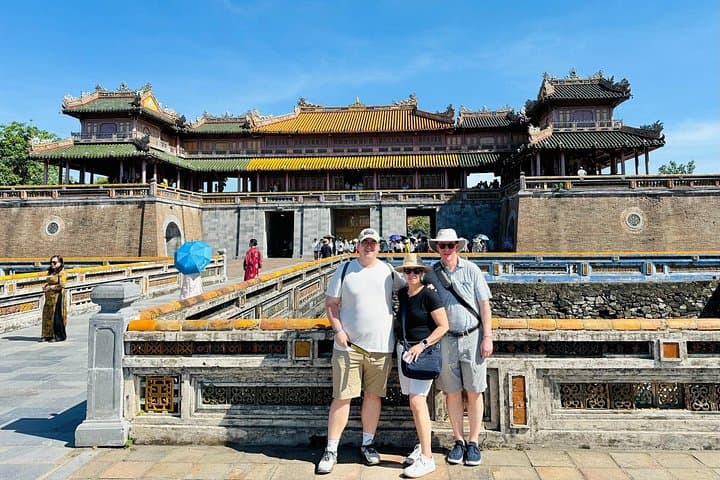
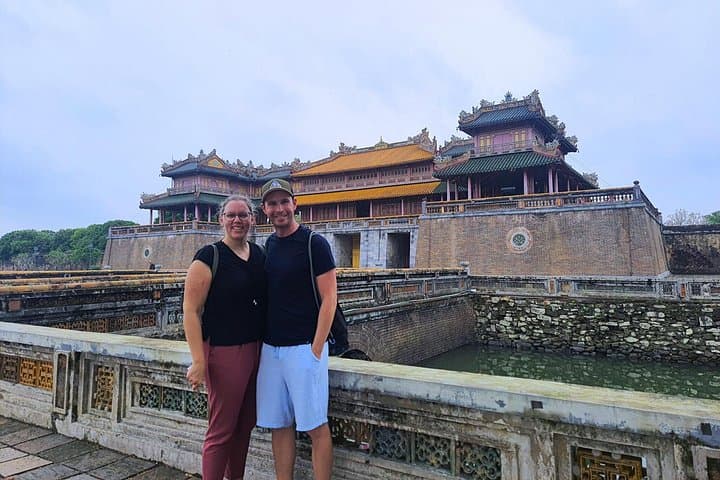
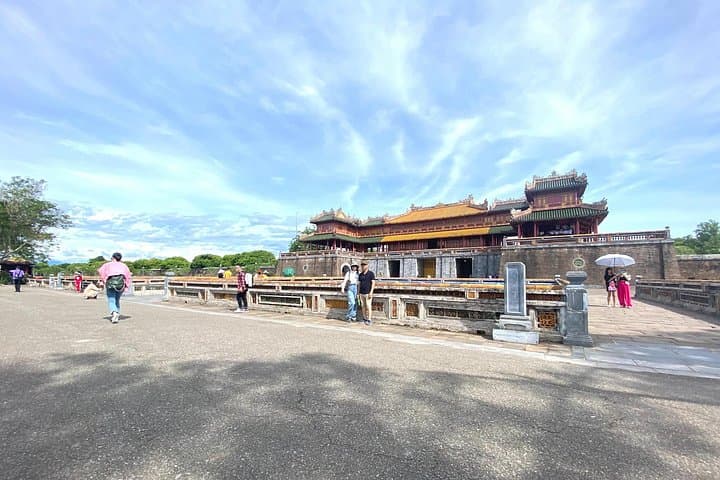
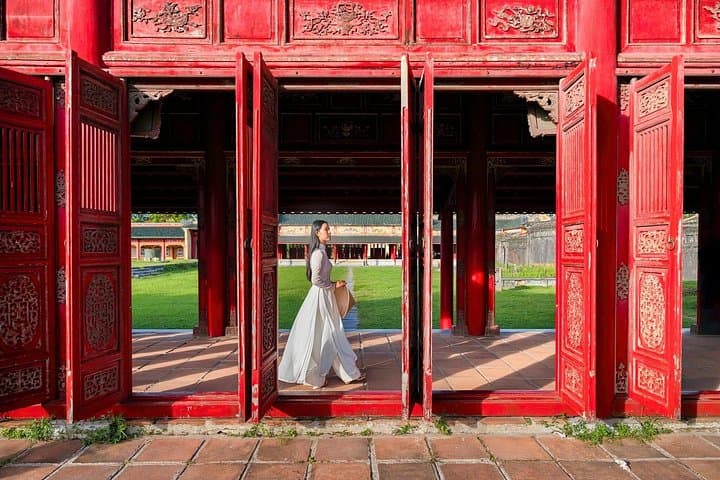
The day centers on the Nguyen dynasty’s imperial city: the Citadel’s weathered stone walls, the ornate terraces of Khai Dinh’s tomb, and the bell-still hush of Thien Mu Pagoda on the riverbank. Geologically, this stretch of central Vietnam sits between coastal plains and the Annamite foothills, so riverine silt and low hills shape the city’s gardens and rice paddies.
Hue is Vietnam’s last imperial capital, declared a UNESCO World Heritage Site for its concentration of palaces, temples and royal tombs. Culture here still orbits court cuisine and ceremonial music; lunch at a garden restaurant often includes regional specialties like bun bo Hue and banh beo.
Practical guidance is direct: plan a full day—about seven hours including transfers—allowing two hours at the Citadel and shorter stops at tombs and pagoda. Wear comfortable walking shoes for uneven stone and tiled steps, dress respectfully for sacred sites (shoulders and knees covered), and carry cash for small purchases and tips. The guide handles admissions and logistics; bring a refillable water bottle, sunscreen, and a lightweight rain layer in monsoon season. Expect moderate walking with plenty of seated time in the vehicle; pace yourself around midday heat and allow time to return to the port at least 90 minutes before ship departure.
easy.
6–8 hours.
Suitable for travelers with light walking ability; expect stairs and uneven surfaces but no technical exertion.
Approximate driving time is 60–90 minutes each way depending on traffic; plan for about 30–40 minutes extra to clear port procedures.
Yes, entrance tickets to the listed monuments are included in the tour price as described by the operator.
Yes, operators typically accommodate vegetarian, vegan and common dietary restrictions if notified when booking.
Yes; the itinerary is low-impact with seated transport, but there is walking and stairs—those with limited mobility should notify the operator in advance.
Hue was the capital under the Nguyen dynasty (1802–1945); its Citadel and royal tombs reflect imperial planning and Confucian cosmology.
The Hue monuments are actively conserved under UNESCO oversight—visitors should stick to paths, avoid touching fragile carvings, and support local guides to reduce impact.
Local Tours Around Viet Nam operates guided outdoor trips and adventures with an emphasis on safety, stewardship, and memorable experiences.
You step out of Chan May’s gate into humid coastal air and find a driver holding your name; the road unfurls north toward the Perfume River and Hue’s low-lying skyline.
You step out of Chan May’s gate into humid coastal air and find a driver holding your name; the road unfurls north toward the Perfume River and Hue’s low-lying skyline.
The day centers on the Nguyen dynasty’s imperial city: the Citadel’s weathered stone walls, the ornate terraces of Khai Dinh’s tomb, and the bell-still hush of Thien Mu Pagoda on the riverbank. Geologically, this stretch of central Vietnam sits between coastal plains and the Annamite foothills, so riverine silt and low hills shape the city’s gardens and rice paddies.
Hue is Vietnam’s last imperial capital, declared a UNESCO World Heritage Site for its concentration of palaces, temples and royal tombs. Culture here still orbits court cuisine and ceremonial music; lunch at a garden restaurant often includes regional specialties like bun bo Hue and banh beo.
Practical guidance is direct: plan a full day—about seven hours including transfers—allowing two hours at the Citadel and shorter stops at tombs and pagoda. Wear comfortable walking shoes for uneven stone and tiled steps, dress respectfully for sacred sites (shoulders and knees covered), and carry cash for small purchases and tips. The guide handles admissions and logistics; bring a refillable water bottle, sunscreen, and a lightweight rain layer in monsoon season. Expect moderate walking with plenty of seated time in the vehicle; pace yourself around midday heat and allow time to return to the port at least 90 minutes before ship departure.