THE ADVENTURE COLLECTIVE® · Independent discovery and booking for outdoor travel

Explore Hue’s Imperial City on foot, then extend the day by motorbike through rice paddies or by private car to royal tombs and Lang Co beach. This guided option pairs court history with hands‑on local experience.
Explore Hue’s Imperial City on foot, then extend the day by motorbike through rice paddies or by private car to royal tombs and Lang Co beach. This guided option pairs court history with hands‑on local experience.
The day begins with the Perfume River at your feet and a low, glassy light that turns the citadel’s red roofs to copper. You step out from the four cannons area at Ngan Gate and the city unfolds: narrow alleys, lacquer workshops, and the low rumble of a motorbike that will carry you through rice paddies and riverside villages.
Verified experiences and guided adventures in the surrounding area.
Operated by Adventure Journey · Hue, Thua Thien Hue
The day begins with the Perfume River at your feet and a low, glassy light that turns the citadel’s red roofs to copper. You step out from the four cannons area at Ngan Gate and the city unfolds: narrow alleys, lacquer workshops, and the low rumble of a motorbike that will carry you through rice paddies and riverside villages.
Hue was Vietnam’s capital under the Nguyen emperors from 1802 to 1945; the Imperial City and Forbidden Purple City are the physical records of that rule — gates, pavilions, and ruined courtyards that still bear shell and fire from 20th‑century conflicts. Geologically, central Vietnam is a ribbon of river plains backed by the Annamite Range; to the south the Hai Van Pass cuts a dramatic coastal spine toward Da Nang. Cultural life here remains tied to court rituals, royal tombs, pagodas like Thiên Mụ, and culinary specialties—bun bo Hue and imperial dishes—that reflect royal menus.
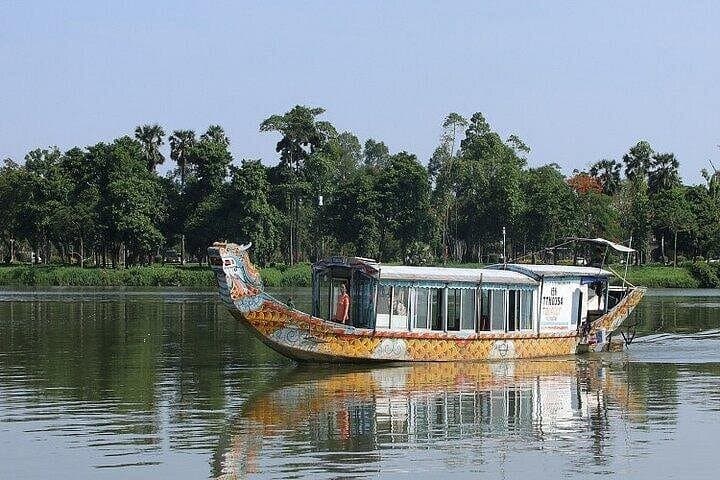
Choose a walking-only morning for cooler light and quieter rooms; add a motorbike leg to reach riverside hamlets, or a private car for longer tombs and Lang Co beach. Practicalities: many entrance sites accept a 2‑day combo ticket (skip the ticket‑line wait by buying through your guide), dress smart casual for temple etiquette, and expect multiple short stops across the day. Bring comfortable walking shoes, sun protection, and small cash for entry fees and local vendors. If you opt for a dragon boat on the Perfume River, mornings are calmest; afternoons can be hot and hazy. Whether on foot, bike, or in a car, the route balances museum‑quiet history with the kinetic life of modern Hue.
moderate.
2.5–12 hours.
Comfortable walking ability and ability to sit on a motorbike for short stretches; not strenuous but expect several hours on your feet.
No—entry fees are usually not included; guides can help buy a 2‑day combo ticket to save time and money.
Options vary: the walking tour meets at Ngan Gate (4 Cannons area) while private car transfers can include hotel pickup—confirm when booking.
Yes—no rider skill is needed for passengers, but confirm the driver provides helmets and that you’re comfortable with back‑ride travel.
Smart casual with shoulders and knees covered is recommended to show respect and meet local dress codes.
Hue was the seat of the Nguyen Dynasty (1802–1945); many imperial buildings were damaged during the mid‑20th century but remain key cultural sites tied to court rituals.
Visitors are encouraged to stay on marked paths inside tomb complexes and to avoid littering; some sites limit access to fragile ruins to preserve them for future generations.
Adventure Journey operates guided outdoor trips and adventures with an emphasis on safety, stewardship, and memorable experiences.
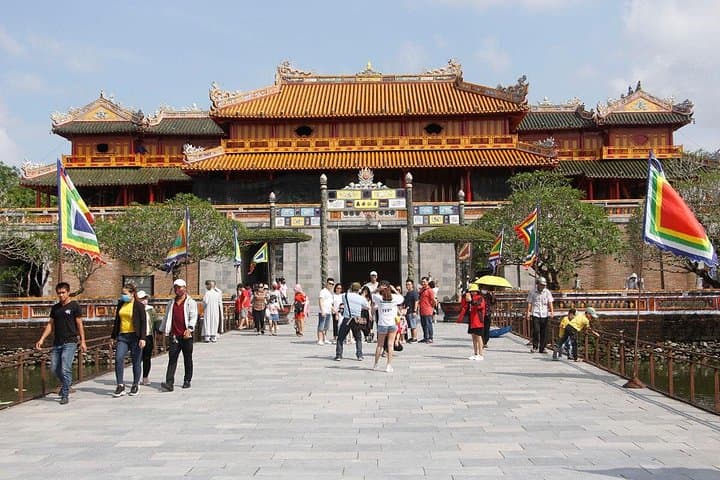
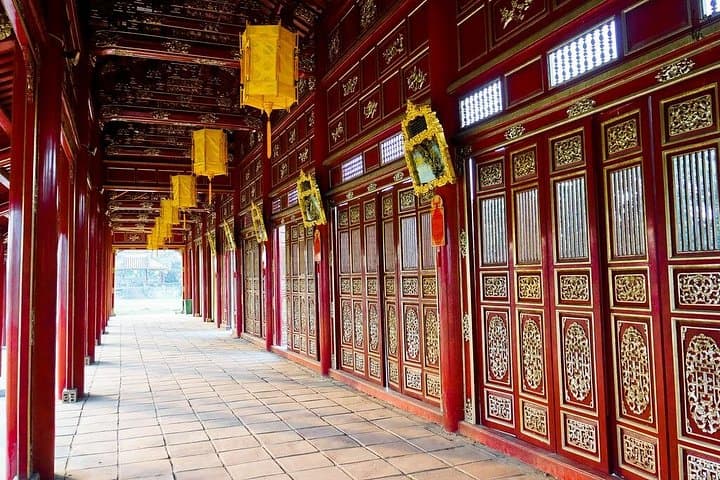
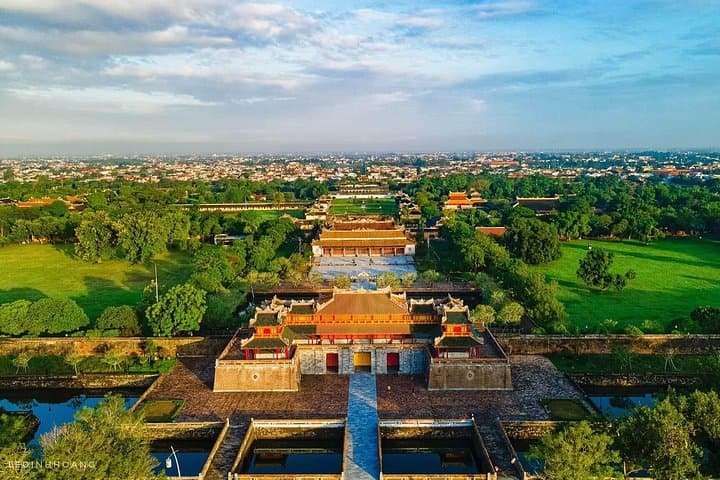
The day begins with the Perfume River at your feet and a low, glassy light that turns the citadel’s red roofs to copper. You step out from the four cannons area at Ngan Gate and the city unfolds: narrow alleys, lacquer workshops, and the low rumble of a motorbike that will carry you through rice paddies and riverside villages.
The day begins with the Perfume River at your feet and a low, glassy light that turns the citadel’s red roofs to copper. You step out from the four cannons area at Ngan Gate and the city unfolds: narrow alleys, lacquer workshops, and the low rumble of a motorbike that will carry you through rice paddies and riverside villages.
Hue was Vietnam’s capital under the Nguyen emperors from 1802 to 1945; the Imperial City and Forbidden Purple City are the physical records of that rule — gates, pavilions, and ruined courtyards that still bear shell and fire from 20th‑century conflicts. Geologically, central Vietnam is a ribbon of river plains backed by the Annamite Range; to the south the Hai Van Pass cuts a dramatic coastal spine toward Da Nang. Cultural life here remains tied to court rituals, royal tombs, pagodas like Thiên Mụ, and culinary specialties—bun bo Hue and imperial dishes—that reflect royal menus.
Choose a walking-only morning for cooler light and quieter rooms; add a motorbike leg to reach riverside hamlets, or a private car for longer tombs and Lang Co beach. Practicalities: many entrance sites accept a 2‑day combo ticket (skip the ticket‑line wait by buying through your guide), dress smart casual for temple etiquette, and expect multiple short stops across the day. Bring comfortable walking shoes, sun protection, and small cash for entry fees and local vendors. If you opt for a dragon boat on the Perfume River, mornings are calmest; afternoons can be hot and hazy. Whether on foot, bike, or in a car, the route balances museum‑quiet history with the kinetic life of modern Hue.