THE ADVENTURE COLLECTIVE® · Independent discovery and booking for outdoor travel

Explore Hue’s Imperial City, glide on the Perfume River and visit Thien Mu Pagoda and Khai Dinh Tomb on a private shore excursion that returns you to port the same day. Practical for cruise travelers with guided transport, tickets and lunch included.
Explore Hue’s Imperial City, glide on the Perfume River and visit Thien Mu Pagoda and Khai Dinh Tomb on a private shore excursion that returns you to port the same day. Practical for cruise travelers with guided transport, tickets and lunch included.
The morning air on the approach to Hue is humid and bright; the Perfume River threads through flat rice plains and then through the city, carrying heat, incense and history toward the sea. You meet your guide at the port gate, step into a private minivan and within an hour the Imperial City’s red brick walls rise ahead—stone and lacquer that still hold the geometry of court life.
Verified experiences and guided adventures in the surrounding area.
Operated by Private Tourguides in Da Nang Hoi An Hue · Hue, Thua Thien Hue
The morning air on the approach to Hue is humid and bright; the Perfume River threads through flat rice plains and then through the city, carrying heat, incense and history toward the sea. You meet your guide at the port gate, step into a private minivan and within an hour the Imperial City’s red brick walls rise ahead—stone and lacquer that still hold the geometry of court life.
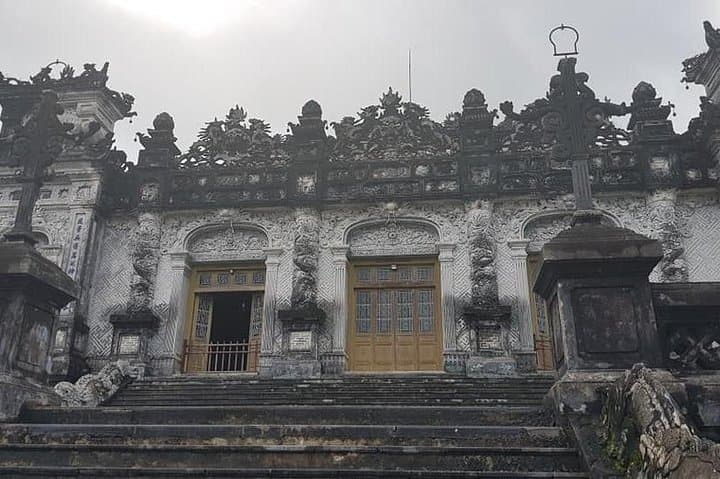
Hue was Vietnam’s Nguyen capital from 1802–1945 and the Citadel, with the Forbidden Purple City and emperor’s residences, shows imperial planning and ceremonial axis. The Perfume River—Song Huong—earns its name from upstream flowers that historically scented the current. Thien Mu Pagoda perches above the river with a seven-story tower that marks Buddhist continuity since 1601, while Khai Dinh’s tomb reveals late-imperial eclecticism: tiled mosaics, concrete curves and feng-shui siting against a low mountain.
Expect straightforward, urban walking, short boat time (about 30 minutes) and visits to heavily visited monuments with ticketed entries. Cultural etiquette matters—dress shoulders/knees covered for sacred sites and move quietly in temple compounds. Bring a reusable water bottle, sunscreen and a light rain layer between May and October. Lunch typically features Hue specialties—bun bo or com hen—at a local restaurant and is a practical chance to refuel.
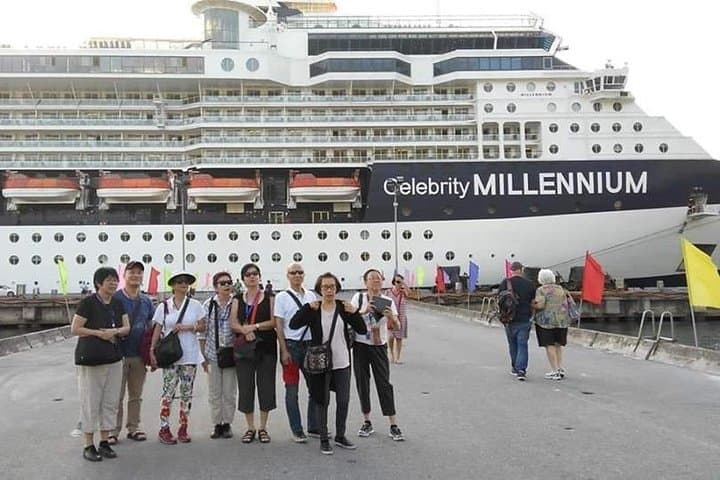
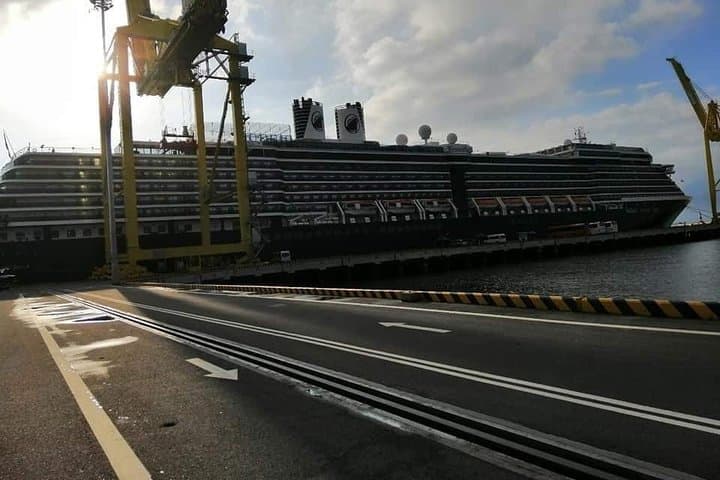
Logistics are simple for cruise passengers: pick-up at Tien Sa or Chan May port, a private guide and timed return to ship are included. The pace is curated for a full-day shore window—plan to move steadily but leave time for photography and quiet at the riverbank.
moderate.
6–8 hours.
Moderate: urban walking with some steps and short standing periods; suitable for most travelers who can ambulate independently.
Yes, pickup at Tien Sa or Chan May port and return to the ship within your schedule window are included as part of the private tour.
Entrance tickets and a local lunch are included according to the tour inclusions; bottled water and an English-speaking guide are also provided.
The scheduled boat trip is approximately 30 minutes—enough for a riverside perspective without a long open-water crossing.
Yes; the tour notes stroller access and infant seats are available, but expect some walking and steps at historic sites.
Hue served as the seat of the Nguyen Dynasty (1802–1945) and its monuments reflect imperial ritual, Confucian layout and colonial-era influences.
Visitor pressure at UNESCO-listed sites has led to controlled access and restoration efforts; stick to marked paths and avoid touching fragile carvings.
Private Tourguides in Da Nang Hoi An Hue operates guided outdoor trips and adventures with an emphasis on safety, stewardship, and memorable experiences.
The morning air on the approach to Hue is humid and bright; the Perfume River threads through flat rice plains and then through the city, carrying heat, incense and history toward the sea. You meet your guide at the port gate, step into a private minivan and within an hour the Imperial City’s red brick walls rise ahead—stone and lacquer that still hold the geometry of court life.
The morning air on the approach to Hue is humid and bright; the Perfume River threads through flat rice plains and then through the city, carrying heat, incense and history toward the sea. You meet your guide at the port gate, step into a private minivan and within an hour the Imperial City’s red brick walls rise ahead—stone and lacquer that still hold the geometry of court life.
Hue was Vietnam’s Nguyen capital from 1802–1945 and the Citadel, with the Forbidden Purple City and emperor’s residences, shows imperial planning and ceremonial axis. The Perfume River—Song Huong—earns its name from upstream flowers that historically scented the current. Thien Mu Pagoda perches above the river with a seven-story tower that marks Buddhist continuity since 1601, while Khai Dinh’s tomb reveals late-imperial eclecticism: tiled mosaics, concrete curves and feng-shui siting against a low mountain.
Expect straightforward, urban walking, short boat time (about 30 minutes) and visits to heavily visited monuments with ticketed entries. Cultural etiquette matters—dress shoulders/knees covered for sacred sites and move quietly in temple compounds. Bring a reusable water bottle, sunscreen and a light rain layer between May and October. Lunch typically features Hue specialties—bun bo or com hen—at a local restaurant and is a practical chance to refuel.
Logistics are simple for cruise passengers: pick-up at Tien Sa or Chan May port, a private guide and timed return to ship are included. The pace is curated for a full-day shore window—plan to move steadily but leave time for photography and quiet at the riverbank.