THE ADVENTURE COLLECTIVE® · Independent discovery and booking for outdoor travel

Explore Hue’s Imperial Citadel, pagodas and royal tombs on a compact half-day tour. Add an optional dragon-boat ride on the Perfume River for a calm, water-level perspective of the former imperial capital.
Explore Hue’s Imperial Citadel, pagodas and royal tombs on a compact half-day tour. Add an optional dragon-boat ride on the Perfume River for a calm, water-level perspective of the former imperial capital.
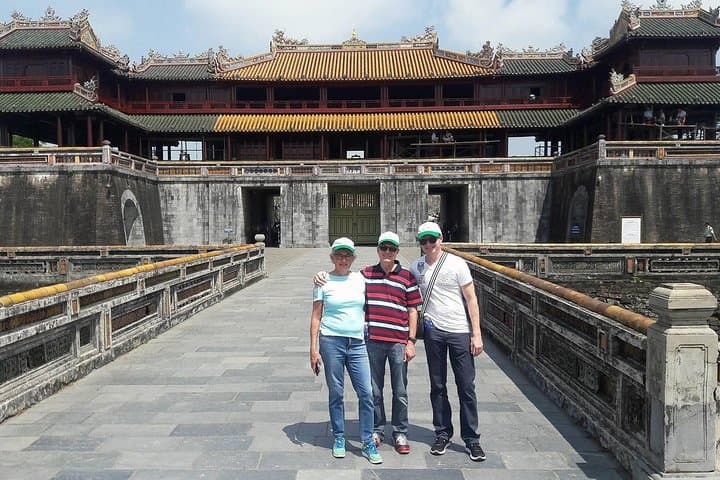
Morning light slides over the Perfume River and the city of Hue wakes the way a slow drumbeat does—deliberate, measured, full of history. Step off a low-slung car at the Citadel and the air feels heavy with lacquered wood and incense; across the water, Thien Mu Pagoda watches the river like an old guardian. Opt for a dragon-boat glide and the river dares you to slow down, the current pushing the boat toward pagodas and tombs that rise from mangrove and manicured gardens.
Verified experiences and guided adventures in the surrounding area.
Operated by Adventure Journey · Hue, Thua Thien Hue
Morning light slides over the Perfume River and the city of Hue wakes the way a slow drumbeat does—deliberate, measured, full of history. Step off a low-slung car at the Citadel and the air feels heavy with lacquered wood and incense; across the water, Thien Mu Pagoda watches the river like an old guardian. Opt for a dragon-boat glide and the river dares you to slow down, the current pushing the boat toward pagodas and tombs that rise from mangrove and manicured gardens.
Hue was the seat of the Nguyen emperors; the Citadel and its imperial tombs are 19th-century expressions of power, funerary geometry and Confucian ritual. Geologically, the broad Perfume River valley collects silt from the Truong Son range to the west, feeding rice plains and the willow-lined banks visitors drift past. Culturally, Hue is measured—food, music and rites remain anchored to court traditions; many sites require modest dress and quiet steps.
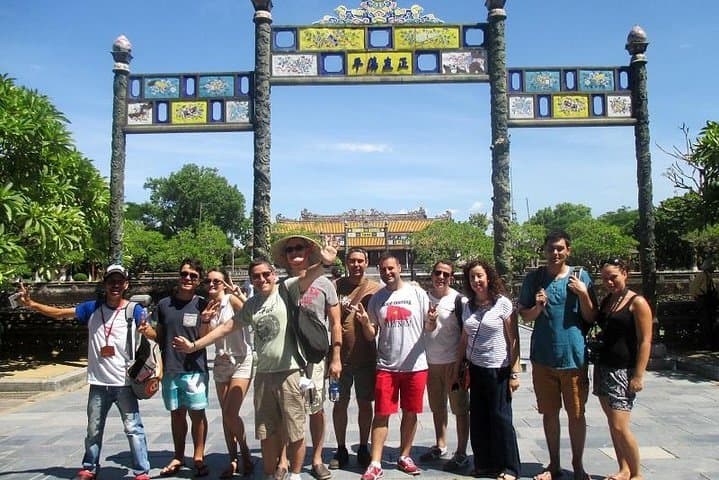
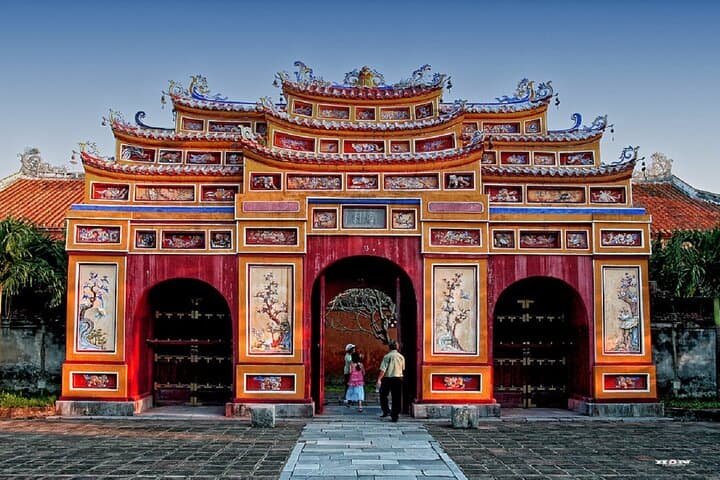
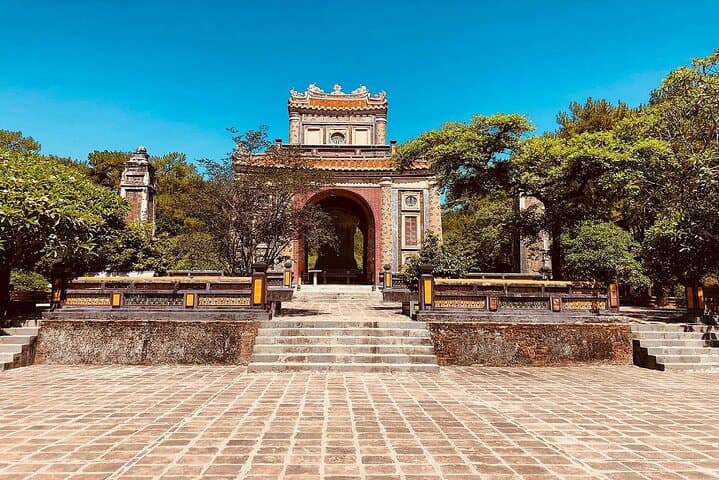
A half-day tour can include the Imperial Citadel, Thien Mu Pagoda, and one or two royal tombs (Tu Duc, Minh Mang), with optional dragon-boat transit adding a calm water perspective. Expect paved courtyards, stepped mausoleums, and short walks between shaded pavilions. Local guides add context—dates, dynastic stories, and how families still care for these places.
Practical: wear comfortable walking shoes, bring sun protection and water, and budget time for entrance lines. Mornings are cooler and photographic; afternoons suit slower river rides. With a private driver or guide, you’ll move efficiently while still having space to absorb Hue’s quiet, layered history.
moderate.
3–6 hours.
Light to moderate fitness; able to walk short distances and climb steps repeatedly.
No. The itinerary is customizable; specific sites visited depend on the option you select at booking.
The dragon-boat is optional—choose the tour option that includes it if you want a river crossing experience.
Some options include admissions and others do not; check the chosen package details before booking.
Access varies by site; the activity lists wheelchair- and stroller-accessible transport, but some historic sites have steps and uneven surfaces.
Hue was Vietnam’s imperial capital under the Nguyen Dynasty (1802–1945); the Citadel and royal tombs are core remnants of that era.
Sites are fragile—stay on marked paths, avoid touching lacquered or gilded surfaces, and use local guides to ensure respectful visitor practices.
Adventure Journey operates guided outdoor trips and adventures with an emphasis on safety, stewardship, and memorable experiences.
Morning light slides over the Perfume River and the city of Hue wakes the way a slow drumbeat does—deliberate, measured, full of history. Step off a low-slung car at the Citadel and the air feels heavy with lacquered wood and incense; across the water, Thien Mu Pagoda watches the river like an old guardian. Opt for a dragon-boat glide and the river dares you to slow down, the current pushing the boat toward pagodas and tombs that rise from mangrove and manicured gardens.
Morning light slides over the Perfume River and the city of Hue wakes the way a slow drumbeat does—deliberate, measured, full of history. Step off a low-slung car at the Citadel and the air feels heavy with lacquered wood and incense; across the water, Thien Mu Pagoda watches the river like an old guardian. Opt for a dragon-boat glide and the river dares you to slow down, the current pushing the boat toward pagodas and tombs that rise from mangrove and manicured gardens.
Hue was the seat of the Nguyen emperors; the Citadel and its imperial tombs are 19th-century expressions of power, funerary geometry and Confucian ritual. Geologically, the broad Perfume River valley collects silt from the Truong Son range to the west, feeding rice plains and the willow-lined banks visitors drift past. Culturally, Hue is measured—food, music and rites remain anchored to court traditions; many sites require modest dress and quiet steps.
A half-day tour can include the Imperial Citadel, Thien Mu Pagoda, and one or two royal tombs (Tu Duc, Minh Mang), with optional dragon-boat transit adding a calm water perspective. Expect paved courtyards, stepped mausoleums, and short walks between shaded pavilions. Local guides add context—dates, dynastic stories, and how families still care for these places.
Practical: wear comfortable walking shoes, bring sun protection and water, and budget time for entrance lines. Mornings are cooler and photographic; afternoons suit slower river rides. With a private driver or guide, you’ll move efficiently while still having space to absorb Hue’s quiet, layered history.