THE ADVENTURE COLLECTIVE® · Independent discovery and booking for outdoor travel

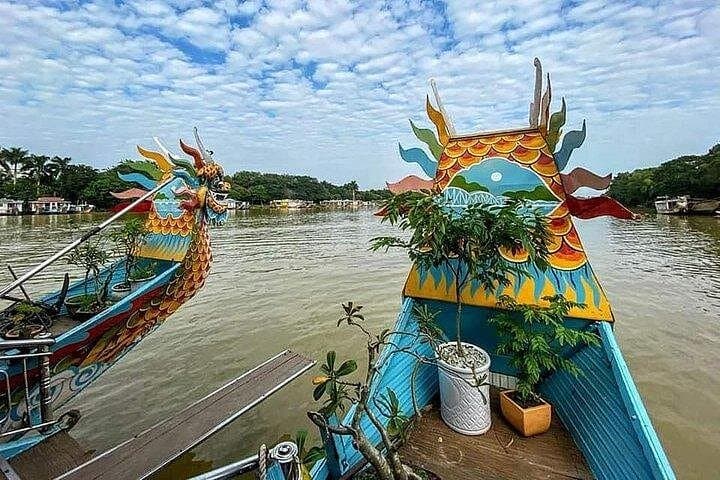
Spend a full day tracing Hue’s imperial past from the Citadel to riverside pagodas and hillside royal tombs. This private tour combines a Dragon Boat ride on the Perfume River with guided visits to Thien Mu Pagoda, Khai Dinh and Minh Mang tombs.
Spend a full day tracing Hue’s imperial past from the Citadel to riverside pagodas and hillside royal tombs. This private tour combines a Dragon Boat ride on the Perfume River with guided visits to Thien Mu Pagoda, Khai Dinh and Minh Mang tombs.
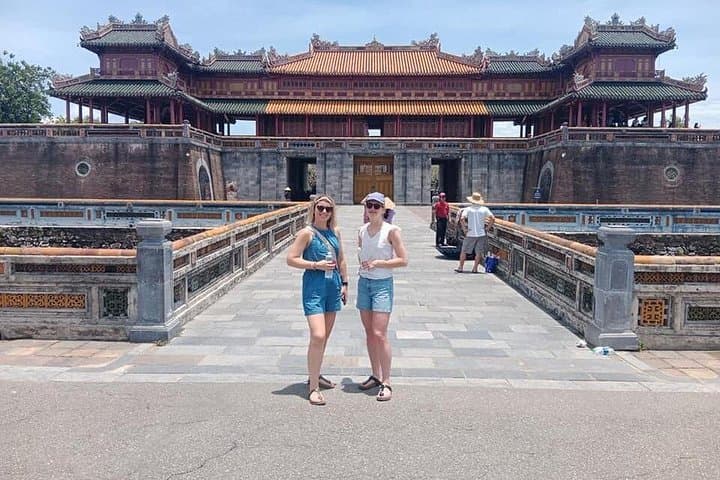
Morning fog lifts off the Perfume River as a small dragon boat slips from the quay and the city of Hue opens like a map of history. Travelers step into a day of layered architecture and river-borne pace: the Citadel’s battered walls, the low-slung tile roofs of Thien Mu Pagoda, and the ornate terraces of imperial tombs set into hillsides.
Verified experiences and guided adventures in the surrounding area.
Operated by Da Nang Hoi An Private Tours & Shore Excursion · Hue, Thua Thien-Hue
Morning fog lifts off the Perfume River as a small dragon boat slips from the quay and the city of Hue opens like a map of history. Travelers step into a day of layered architecture and river-borne pace: the Citadel’s battered walls, the low-slung tile roofs of Thien Mu Pagoda, and the ornate terraces of imperial tombs set into hillsides.
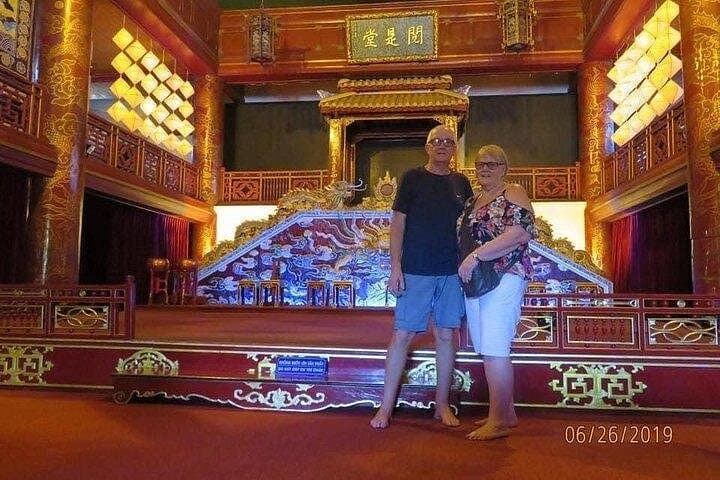
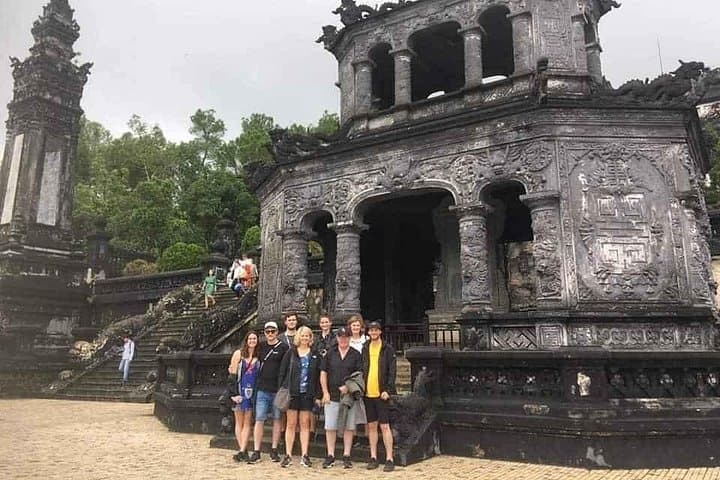
Hue served as Vietnam’s imperial capital under the Nguyễn dynasty from 1802 to 1945; the Imperial City (UNESCO-listed) faces the Perfume River and still shows bullet marks from 20th-century conflicts. Thien Mu Pagoda, founded in 1601, is an active monastery whose seven-story tower watches the water. Khai Dinh’s tomb (1920–1931) fuses Western materials with Eastern form on a steep hillside, while Minh Mang’s mausoleum lies 12 km west in a formally planted forest, reached by bridges and granite staircases.
Geology here is gentle—river sediment plains ringed by low limestone and alluvial terraces—so most walking is paved or on stone steps, not technical but often uneven. Culture is tactile: lacquer, ceramics, and incense vendors cluster near temples; local guides explain court rituals and burial symbolism.
Practical guidance: tours typically start at 8:00, last about eight hours, include private transport, lunch, bottled water and entrance fees. Wear closed shoes for steps, bring sun protection and a light rain shell in wet season. Respect temple dress codes (shoulders and knees covered) and carry small cash for market purchases. Expect moderate walking and several stair sets; the boat ride offers calm river perspectives between sites.
moderate.
6–8 hours.
Moderate fitness required: ability to walk 2–4 miles over the day and manage staircases at multiple historic sites.
Yes—standard private tour packages typically include entrance fees to the Citadel and imperial tombs as listed in the tour inclusions.
The tour uses a local dragon boat as part of the itinerary; on private tours the boat segment is arranged to coincide with your group but may share the river with other vessels.
Expect moderate walking with several staircases at Khai Dinh and Minh Mang tombs and uneven surfaces inside the Citadel; mobility limitations may affect access to some terraces.
Families with infants can use strollers during transfers, but many historic sites have steps and narrow passages—bring a carrier for easy access to tomb terraces.
Hue was the seat of the Nguyễn dynasty from 1802–1945; imperial architecture and river orientation reflect court rituals and geomantic planning tied to the Perfume River.
Restoration of the Imperial City and tomb complexes is ongoing; visitors should stick to marked paths and avoid touching delicate lacquer and tile work to support preservation efforts.
Da Nang Hoi An Private Tours & Shore Excursion operates guided outdoor trips and adventures with an emphasis on safety, stewardship, and memorable experiences.
Morning fog lifts off the Perfume River as a small dragon boat slips from the quay and the city of Hue opens like a map of history. Travelers step into a day of layered architecture and river-borne pace: the Citadel’s battered walls, the low-slung tile roofs of Thien Mu Pagoda, and the ornate terraces of imperial tombs set into hillsides.
Morning fog lifts off the Perfume River as a small dragon boat slips from the quay and the city of Hue opens like a map of history. Travelers step into a day of layered architecture and river-borne pace: the Citadel’s battered walls, the low-slung tile roofs of Thien Mu Pagoda, and the ornate terraces of imperial tombs set into hillsides.
Hue served as Vietnam’s imperial capital under the Nguyễn dynasty from 1802 to 1945; the Imperial City (UNESCO-listed) faces the Perfume River and still shows bullet marks from 20th-century conflicts. Thien Mu Pagoda, founded in 1601, is an active monastery whose seven-story tower watches the water. Khai Dinh’s tomb (1920–1931) fuses Western materials with Eastern form on a steep hillside, while Minh Mang’s mausoleum lies 12 km west in a formally planted forest, reached by bridges and granite staircases.
Geology here is gentle—river sediment plains ringed by low limestone and alluvial terraces—so most walking is paved or on stone steps, not technical but often uneven. Culture is tactile: lacquer, ceramics, and incense vendors cluster near temples; local guides explain court rituals and burial symbolism.
Practical guidance: tours typically start at 8:00, last about eight hours, include private transport, lunch, bottled water and entrance fees. Wear closed shoes for steps, bring sun protection and a light rain shell in wet season. Respect temple dress codes (shoulders and knees covered) and carry small cash for market purchases. Expect moderate walking and several stair sets; the boat ride offers calm river perspectives between sites.