THE ADVENTURE COLLECTIVE® · Independent discovery and booking for outdoor travel

Spend a morning in La Chu Village harvesting vegetables, learning Hue’s signature dishes, and enjoying a farm-to-table lunch in a local home. This hands-on class blends agricultural insight with practical cooking skills rooted in imperial and rural traditions.
Spend a morning in La Chu Village harvesting vegetables, learning Hue’s signature dishes, and enjoying a farm-to-table lunch in a local home. This hands-on class blends agricultural insight with practical cooking skills rooted in imperial and rural traditions.
Morning light slips across narrow lanes as you leave Hue city and follow the Perfume River toward La Chu Village. Fields open like pages; irrigation channels glint and dare you to step closer. By mid-morning you are at Madam Thu’s farm, wearing simple farming clothes, palms damp with river-fed water, moving with villagers who still time their days by tides and seasons.
Verified experiences and guided adventures in the surrounding area.
Operated by Madam Thu Farm · Hue, Thua Thien-Hue
Morning light slips across narrow lanes as you leave Hue city and follow the Perfume River toward La Chu Village. Fields open like pages; irrigation channels glint and dare you to step closer. By mid-morning you are at Madam Thu’s farm, wearing simple farming clothes, palms damp with river-fed water, moving with villagers who still time their days by tides and seasons.
Hue was the Nguyen dynasty’s imperial capital and its cuisine carries that lineage: careful balance, restrained spice, and a preference for fresh, seasonal produce. The low-lying plains around La Chu are alluvial—soft soils fed by the Perfume River—ideal for herbs, greens, and the rice that shapes local life. The class pairs this agricultural context with hands-on instruction in Bun Bo Hue, nem ran, and banh nam, teaching techniques that reflect centuries of courtly refinement and peasant practicality.
Expect tactile learning: plucking rau ram, wrapping banana-leaf parcels, and simmering lemongrass broth over a wood or gas flame. A traditional herbal foot bath after harvesting is both custom and cool-down.
Practical guidance: arrive hydrated, wear closed-toe shoes for muddy paths, and plan for a six-hour window including transfers. Photography is unobtrusive but ask before shooting people. The experience supports small-scale, chemical-free farming—pack out any waste and favor reusables. A morning in La Chu is quiet but purposeful: the land offers its ingredients, and the village hands you the know-how to turn them into a meal that tastes of place.
easy.
5–6 hours.
Suitable for most fitness levels; be prepared for light farm labor such as bending and standing for short periods.
The tour runs about six hours, including hotel pickup, farm visit, cooking class, lunch, and return to your hotel.
Yes—families are welcome, but children should be supervised around kitchen tools and wet fields.
The host can adjust some recipes for allergies or dietary needs if informed in advance—note restrictions at booking.
Round-trip transfer from central Hue hotels is included; pickup times are confirmed at booking.
Hue’s cuisine evolved within the Nguyen court and local rural practices; many recipes reflect imperial refinement adapted to riverine ingredients.
This experience supports organic, chemical-free farming and local households—travelers are encouraged to minimize plastic use and follow waste-sensitive practices.
Madam Thu Farm operates guided outdoor trips and adventures with an emphasis on safety, stewardship, and memorable experiences.
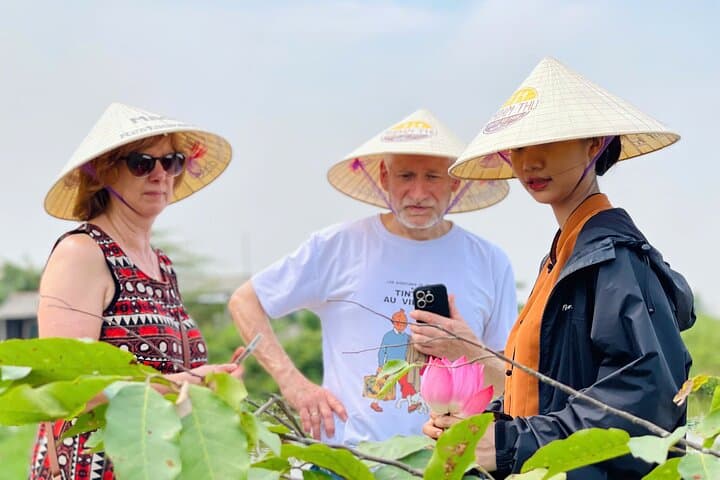
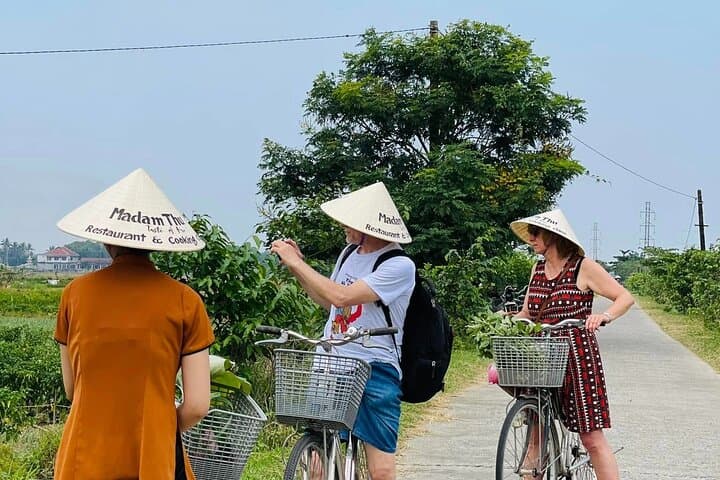

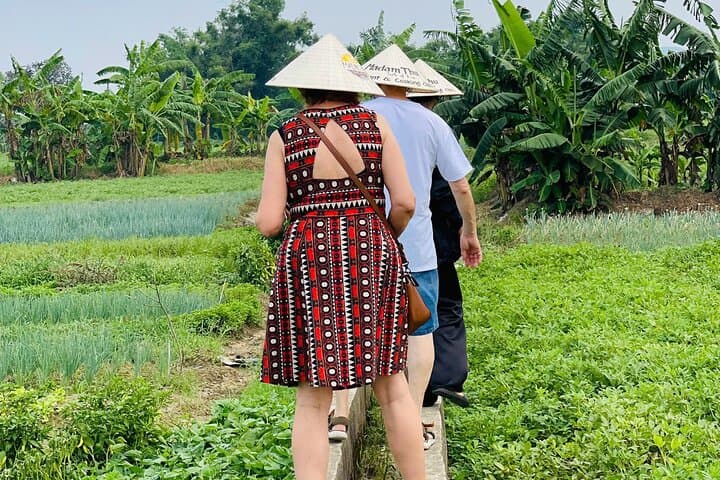
Morning light slips across narrow lanes as you leave Hue city and follow the Perfume River toward La Chu Village. Fields open like pages; irrigation channels glint and dare you to step closer. By mid-morning you are at Madam Thu’s farm, wearing simple farming clothes, palms damp with river-fed water, moving with villagers who still time their days by tides and seasons.
Morning light slips across narrow lanes as you leave Hue city and follow the Perfume River toward La Chu Village. Fields open like pages; irrigation channels glint and dare you to step closer. By mid-morning you are at Madam Thu’s farm, wearing simple farming clothes, palms damp with river-fed water, moving with villagers who still time their days by tides and seasons.
Hue was the Nguyen dynasty’s imperial capital and its cuisine carries that lineage: careful balance, restrained spice, and a preference for fresh, seasonal produce. The low-lying plains around La Chu are alluvial—soft soils fed by the Perfume River—ideal for herbs, greens, and the rice that shapes local life. The class pairs this agricultural context with hands-on instruction in Bun Bo Hue, nem ran, and banh nam, teaching techniques that reflect centuries of courtly refinement and peasant practicality.
Expect tactile learning: plucking rau ram, wrapping banana-leaf parcels, and simmering lemongrass broth over a wood or gas flame. A traditional herbal foot bath after harvesting is both custom and cool-down.
Practical guidance: arrive hydrated, wear closed-toe shoes for muddy paths, and plan for a six-hour window including transfers. Photography is unobtrusive but ask before shooting people. The experience supports small-scale, chemical-free farming—pack out any waste and favor reusables. A morning in La Chu is quiet but purposeful: the land offers its ingredients, and the village hands you the know-how to turn them into a meal that tastes of place.