THE ADVENTURE COLLECTIVE® · Independent discovery and booking for outdoor travel

Cross the Hai Van Pass and spend a day exploring Hue’s Imperial Citadel, royal tombs and Thien Mu Pagoda on a private car transfer from Da Nang. This full-day route pairs scenic driving with concentrated cultural sites and practical, door-to-door service.
Cross the Hai Van Pass and spend a day exploring Hue’s Imperial Citadel, royal tombs and Thien Mu Pagoda on a private car transfer from Da Nang. This full-day route pairs scenic driving with concentrated cultural sites and practical, door-to-door service.
You roll away from the surf-side buzz of Da Nang at first light, the coastline crouching to one side and the Hai Van Pass climbing ahead like a ridge that dares you to keep watch. The road sweeps you up and over a spine of green where the sea flashes beyond the guardrail, then eases down into the flat, fragrant plain that opens to Hue and the slow Perfume River pushing the city’s stories along its banks.
Verified experiences and guided adventures in the surrounding area.
Operated by Hoi an local tour · Hue, Thua Thien Hue
You roll away from the surf-side buzz of Da Nang at first light, the coastline crouching to one side and the Hai Van Pass climbing ahead like a ridge that dares you to keep watch. The road sweeps you up and over a spine of green where the sea flashes beyond the guardrail, then eases down into the flat, fragrant plain that opens to Hue and the slow Perfume River pushing the city’s stories along its banks.
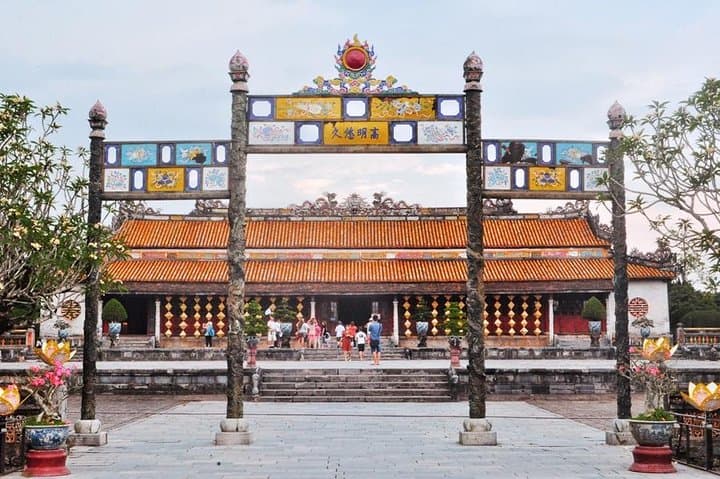
Hue was the seat of the Nguyen dynasty from 1802–1945; its Citadel, royal tombs and pagodas survive in brick and carved stone, earning UNESCO status in 1993. Expect broad courtyards, carved gates, and riverside temples — Tu Duc’s Tomb and the Imperial Citadel are cornerstones of the itinerary, while Thien Mu Pagoda perches over the Perfume River as a quiet symbol of the city.
Practically, the day is vehicle-led with short walks on mixed surfaces: paved approach roads, flagged courtyards and steps at tombs. Museum-style signage is limited; guided context matters. Carry modest clothing for temple visits, sun protection for open courtyards and comfortable shoes for stairs and uneven flagstones. Typical timing: depart around 7:00, stop at Hai Van Pass for photos, 2–3 hours exploring central Hue sites, and return mid-evening.
Plan for traffic variability and midday heat during summer; mornings are best for clearer light and cooler walking. The private transfer model means door-to-door pickup and flexibility on brief photo stops, but entrance fees and guided Citadel access may be handled locally. For travelers who want history with minimal navigation, this route delivers concentrated heritage in a single, manageable day.
easy.
6–7 hours.
Suitable for most fitness levels; involves short walks and stairs but no strenuous hiking
Yes—hotel pickup and drop-off are included for departures from Da Nang or Hoi An; specify pickup point when booking.
Entrance fees are typically not included; plan to pay local ticket charges for some tombs and the Imperial Citadel on arrival.
Yes—transport is private and the walking is light, but stairs and uneven surfaces may be challenging for mobility-limited guests.
Photography is allowed at most outdoor sites; observe any restricted areas and be respectful inside active religious spaces.
Hue served as the imperial capital under the Nguyen dynasty (1802–1945); major monuments reflect imperial planning and Confucian court practices.
Conservation efforts focus on protecting fragile brickwork and limiting tourist impact inside the Citadel; stick to marked paths and avoid climbing on monuments.
Hoi an local tour operates guided outdoor trips and adventures with an emphasis on safety, stewardship, and memorable experiences.



You roll away from the surf-side buzz of Da Nang at first light, the coastline crouching to one side and the Hai Van Pass climbing ahead like a ridge that dares you to keep watch. The road sweeps you up and over a spine of green where the sea flashes beyond the guardrail, then eases down into the flat, fragrant plain that opens to Hue and the slow Perfume River pushing the city’s stories along its banks.
You roll away from the surf-side buzz of Da Nang at first light, the coastline crouching to one side and the Hai Van Pass climbing ahead like a ridge that dares you to keep watch. The road sweeps you up and over a spine of green where the sea flashes beyond the guardrail, then eases down into the flat, fragrant plain that opens to Hue and the slow Perfume River pushing the city’s stories along its banks.
Hue was the seat of the Nguyen dynasty from 1802–1945; its Citadel, royal tombs and pagodas survive in brick and carved stone, earning UNESCO status in 1993. Expect broad courtyards, carved gates, and riverside temples — Tu Duc’s Tomb and the Imperial Citadel are cornerstones of the itinerary, while Thien Mu Pagoda perches over the Perfume River as a quiet symbol of the city.
Practically, the day is vehicle-led with short walks on mixed surfaces: paved approach roads, flagged courtyards and steps at tombs. Museum-style signage is limited; guided context matters. Carry modest clothing for temple visits, sun protection for open courtyards and comfortable shoes for stairs and uneven flagstones. Typical timing: depart around 7:00, stop at Hai Van Pass for photos, 2–3 hours exploring central Hue sites, and return mid-evening.
Plan for traffic variability and midday heat during summer; mornings are best for clearer light and cooler walking. The private transfer model means door-to-door pickup and flexibility on brief photo stops, but entrance fees and guided Citadel access may be handled locally. For travelers who want history with minimal navigation, this route delivers concentrated heritage in a single, manageable day.