THE ADVENTURE COLLECTIVE® · Independent discovery and booking for outdoor travel

Spend a full day on the Perfume River and through Hue’s royal sites—Thien Mu Pagoda, the Imperial Citadel, Dong Ba Market, and the Nguyen tombs—on a guided small-group tour with hotel pickup. Expect boat time, walking, and hands-on cultural moments at craft villages.
Spend a full day on the Perfume River and through Hue’s royal sites—Thien Mu Pagoda, the Imperial Citadel, Dong Ba Market, and the Nguyen tombs—on a guided small-group tour with hotel pickup. Expect boat time, walking, and hands-on cultural moments at craft villages.
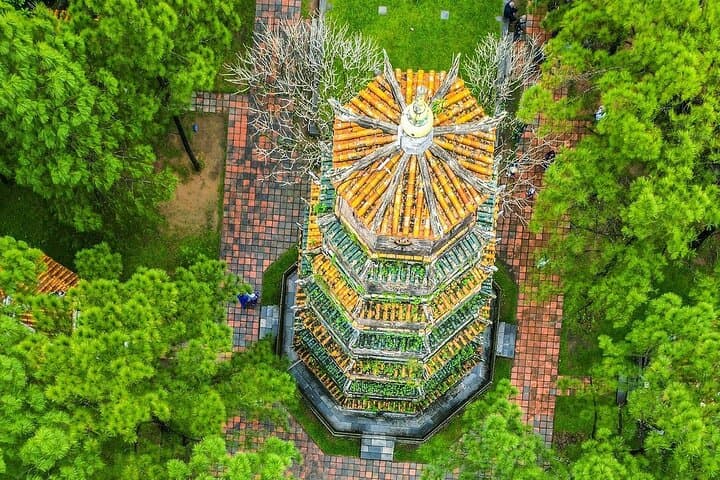
You push off on a low-slung dragon boat as dawn softens the Perfume River; mist clings to wooden pilings and the bell at Thien Mu Pagoda tolls a deliberate note. The city opens slowly—market calls and river traffic—and this one-day route threads water, royal architecture, and craft villages into a compact, readable slice of central Vietnam.
Verified experiences and guided adventures in the surrounding area.
Operated by Mr Linh's Adventures · Hue, Thua Thien-Hue
You push off on a low-slung dragon boat as dawn softens the Perfume River; mist clings to wooden pilings and the bell at Thien Mu Pagoda tolls a deliberate note. The city opens slowly—market calls and river traffic—and this one-day route threads water, royal architecture, and craft villages into a compact, readable slice of central Vietnam.
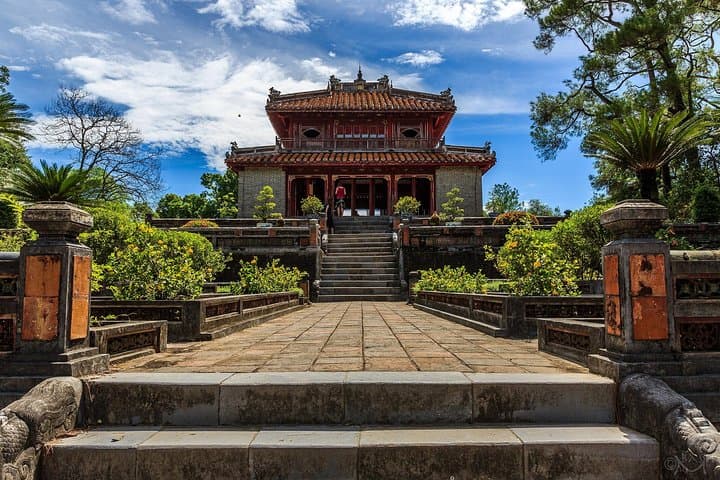
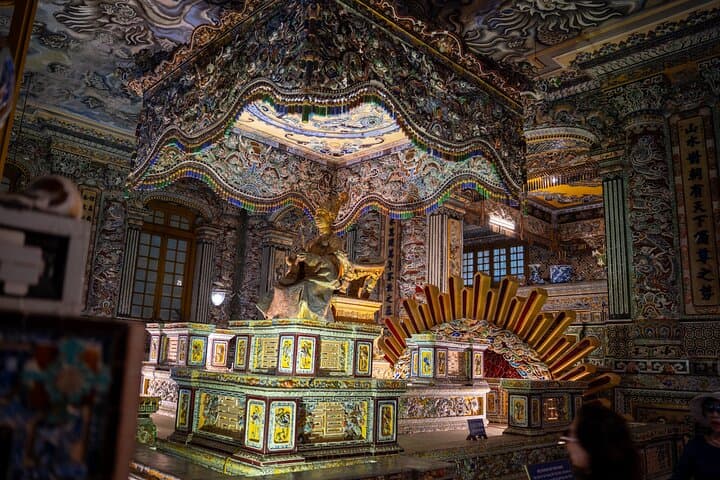
Hue’s monuments tell a layered story: sediment from the Perfume River shaped the floodplain that supported rice fields and royal estates, while the Nguyen Dynasty stamped the skyline with palaces, ceremonial gates, and ornate tombs. The Imperial Citadel’s battered walls still carry scars from 20th-century conflict, and nearby tombs—Minh Mang’s classical balance, Khai Dinh’s baroque detail—reveal shifts in aesthetic and foreign influence.
Culture surfaces in small moments: bargaining at Dong Ba Market, incense smoke at a family workshop, and artisans shaping conical hats beside the river. Local guides link names, dates, and customs into a clear narrative so you see why Hue is a UNESCO site rather than just pretty buildings.
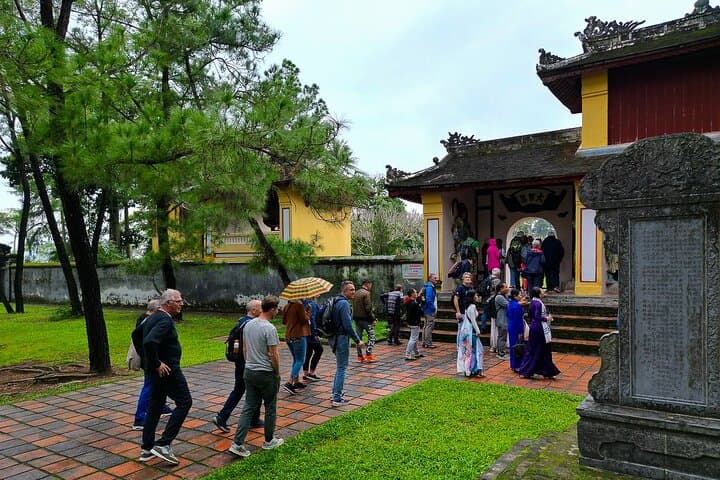
Practical guidance: expect an 8-hour day with hotel pickup, a mix of short walks, boat time, and several stair-climbed temple sections. Carry water, sun protection, and a light rain layer during monsoon months. Photography is frequent—pack a small bag for cameras and purchases from craft villages. Start early to avoid midday heat and plan for modest temple attire (shoulders and knees covered).
This tour balances relaxed river time with concentrated history—ideal for travelers who want a single, well-paced day to understand Hue’s geography, royal past, and living craft traditions.
easy.
8 hours.
Suitable for most fitness levels; involves short walks, stair climbs at tombs and pagodas, and standing during visits.
Yes—this tour includes sightseeing tickets and permits for listed attractions like the Imperial Citadel and select tombs.
Door-to-door pickup and drop-off in Hue city center are included; the booking asks for your pickup point to confirm details.
The dragon boat sails on the calm Perfume River; most travelers find it stable, but those sensitive to motion should bring medication.
Lunch is included as stated in the itinerary, and bottled water is supplied during the day.
Hue was Vietnam’s imperial capital under the Nguyen Dynasty (1802–1945); many structures reflect royal ceremonial functions and later wartime damage.
Visitors are encouraged to stay on marked paths in heritage zones, avoid single-use plastics, and support local craft workshops that practice traditional techniques.
Mr Linh's Adventures operates guided outdoor trips and adventures with an emphasis on safety, stewardship, and memorable experiences.
You push off on a low-slung dragon boat as dawn softens the Perfume River; mist clings to wooden pilings and the bell at Thien Mu Pagoda tolls a deliberate note. The city opens slowly—market calls and river traffic—and this one-day route threads water, royal architecture, and craft villages into a compact, readable slice of central Vietnam.
You push off on a low-slung dragon boat as dawn softens the Perfume River; mist clings to wooden pilings and the bell at Thien Mu Pagoda tolls a deliberate note. The city opens slowly—market calls and river traffic—and this one-day route threads water, royal architecture, and craft villages into a compact, readable slice of central Vietnam.
Hue’s monuments tell a layered story: sediment from the Perfume River shaped the floodplain that supported rice fields and royal estates, while the Nguyen Dynasty stamped the skyline with palaces, ceremonial gates, and ornate tombs. The Imperial Citadel’s battered walls still carry scars from 20th-century conflict, and nearby tombs—Minh Mang’s classical balance, Khai Dinh’s baroque detail—reveal shifts in aesthetic and foreign influence.
Culture surfaces in small moments: bargaining at Dong Ba Market, incense smoke at a family workshop, and artisans shaping conical hats beside the river. Local guides link names, dates, and customs into a clear narrative so you see why Hue is a UNESCO site rather than just pretty buildings.
Practical guidance: expect an 8-hour day with hotel pickup, a mix of short walks, boat time, and several stair-climbed temple sections. Carry water, sun protection, and a light rain layer during monsoon months. Photography is frequent—pack a small bag for cameras and purchases from craft villages. Start early to avoid midday heat and plan for modest temple attire (shoulders and knees covered).
This tour balances relaxed river time with concentrated history—ideal for travelers who want a single, well-paced day to understand Hue’s geography, royal past, and living craft traditions.