THE ADVENTURE COLLECTIVE® · Independent discovery and booking for outdoor travel

Explore the engineering, art and high-rise views of Hudson Yards on a guided walk that includes the High Line and Vessel, with an optional upgrade to the Edge observation deck. Learn the neighborhood’s rapid-rise history and get practical tips for timing, accessibility, and photography.
Explore the engineering, art and high-rise views of Hudson Yards on a guided walk that includes the High Line and Vessel, with an optional upgrade to the Edge observation deck. Learn the neighborhood’s rapid-rise history and get practical tips for timing, accessibility, and photography.
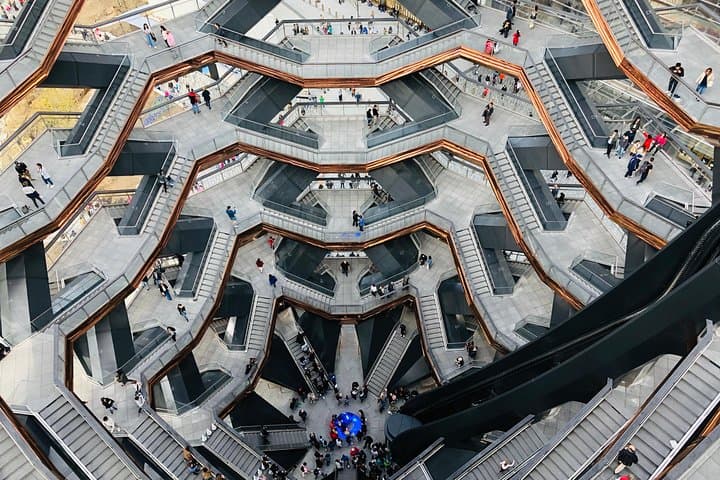
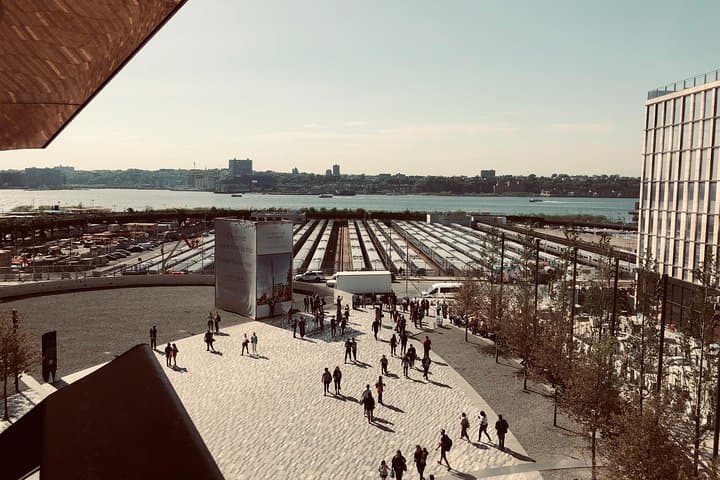
You meet at the base of the Vessel where engineers and artists seem to have had an argument and built a stairway anyway. The steel ribs curve upward like an oversized knot and the city breathes around it — taxi horns, distant subway rumble, the Hudson River in the corner of your eye. A local guide gathers the group, points out an unexpected angle, and the walk begins: through plazas of polished stone, along the green spine of the High Line, and past facades that changed Manhattan’s skyline in a single decade.
Verified experiences and guided adventures in the surrounding area.
Operated by ExperienceFirst · New York, New York
You meet at the base of the Vessel where engineers and artists seem to have had an argument and built a stairway anyway. The steel ribs curve upward like an oversized knot and the city breathes around it — taxi horns, distant subway rumble, the Hudson River in the corner of your eye. A local guide gathers the group, points out an unexpected angle, and the walk begins: through plazas of polished stone, along the green spine of the High Line, and past facades that changed Manhattan’s skyline in a single decade.
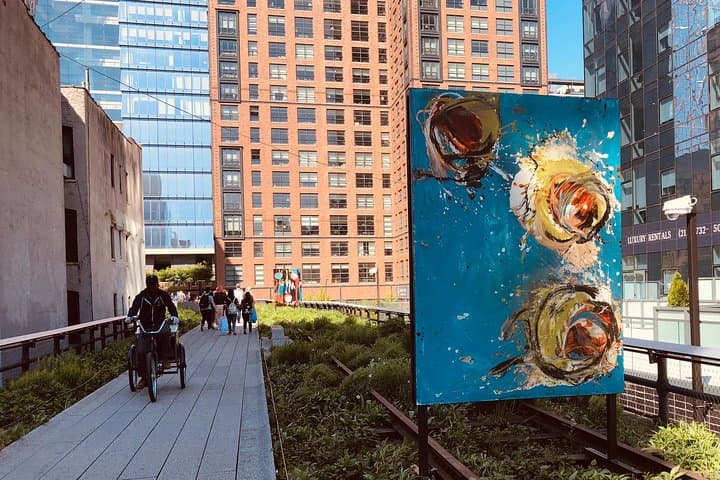
Hudson Yards is less a neighborhood than a project in motion — $25 billion of private development atop a working railyard. The High Line, by contrast, is a civic reinvention: abandoned elevated tracks repurposed into a public greenway that uses native plants to soften glass and steel. Thomas Heatherwick’s Vessel opened in 2019 as a sculptural climb; its interlocking stair flights offer shifting perspectives of 10th Avenue and the river. The optional Edge upgrade sends you even higher — a 1,100-foot sky deck with a glass floor that asks the city to step closer.
Geology here is urban: landfill and engineered platforms laid over active rail. Culture is a collision of tech money, art commissions, and New Yorkers pressing pause on a bench above traffic. Your guide threads history into route segments — railroad logistics, development battles, and how public space was negotiated into a private master plan. Practical local insight surfaces naturally: the best vantage for Hudson River sunsets, the quieter benches on the High Line north of 30th Street, and when to slip in for a timed visit to Vessel to avoid the bottleneck.
Plan for three hours. Wear supportive shoes — surfaces are smooth but there’s a lot of standing and short climbs. Bring water and a charged phone: you’ll want wide-angle shots from the High Line and tight-frame details inside Vessel. If you add Edge, expect security screening and a timed entry window; the upgrade offers dramatic skyline panoramas at late afternoon and after dusk when the city lights begin to claim the horizon.
Accessibility is well-managed: elevators and ramps connect major points but check ahead for elevator outages. Avoid peak weekend midday crowds if you prefer space to take photos or linger on a bench. Respect the site: stay on designated paths, follow posted Vessel rules, and carry out waste. This tour is an urban short walk with high-design payoff — the kind of New York outing that turns city infrastructure into an architectural climb and a lesson in how places evolve.
easy.
2–3 hours.
Suitable for most fitness levels; involves up to an hour of stair climbing inside Vessel and standing during explanations.
Timed tickets for Vessel and Edge are coordinated by the tour operator; if you choose the Edge upgrade you'll receive entry through the guide or staff at the meeting point.
Yes — the route and key sites have elevator/ramp access, though elevator availability at Hudson Yards cannot be guaranteed; contact the operator if you require assistance.
The tour lasts about 2–3 hours; typical schedules place Vessel visits around 4 p.m. and Edge (if upgraded) around 5 p.m., but times can vary by availability.
Families are welcome; strollers are allowed and Vessel provides elevators and priority access for visitors with disabilities.
Bring a charged phone or camera, a small tripod or stabilizer if you want long exposures at dusk, and a wide-angle lens for interior Vessel shots and skyline panoramas.
Meetings move indoors to the Shops & Restaurants at Hudson Yards if conditions are poor; Edge access may be affected by high winds or temporary closures.
Hudson Yards was built over an active railyard and represents one of the largest private real estate projects in U.S. history; the High Line transformed disused freight tracks into public linear parkland.
The High Line Conservancy maintains planting plans and encourages visitors to stay on paths; respect signage to protect fragile plantings and reduce wear from heavy foot traffic.
ExperienceFirst operates guided outdoor trips and adventures with an emphasis on safety, stewardship, and memorable experiences.

You meet at the base of the Vessel where engineers and artists seem to have had an argument and built a stairway anyway. The steel ribs curve upward like an oversized knot and the city breathes around it — taxi horns, distant subway rumble, the Hudson River in the corner of your eye. A local guide gathers the group, points out an unexpected angle, and the walk begins: through plazas of polished stone, along the green spine of the High Line, and past facades that changed Manhattan’s skyline in a single decade.
You meet at the base of the Vessel where engineers and artists seem to have had an argument and built a stairway anyway. The steel ribs curve upward like an oversized knot and the city breathes around it — taxi horns, distant subway rumble, the Hudson River in the corner of your eye. A local guide gathers the group, points out an unexpected angle, and the walk begins: through plazas of polished stone, along the green spine of the High Line, and past facades that changed Manhattan’s skyline in a single decade.
Hudson Yards is less a neighborhood than a project in motion — $25 billion of private development atop a working railyard. The High Line, by contrast, is a civic reinvention: abandoned elevated tracks repurposed into a public greenway that uses native plants to soften glass and steel. Thomas Heatherwick’s Vessel opened in 2019 as a sculptural climb; its interlocking stair flights offer shifting perspectives of 10th Avenue and the river. The optional Edge upgrade sends you even higher — a 1,100-foot sky deck with a glass floor that asks the city to step closer.
Geology here is urban: landfill and engineered platforms laid over active rail. Culture is a collision of tech money, art commissions, and New Yorkers pressing pause on a bench above traffic. Your guide threads history into route segments — railroad logistics, development battles, and how public space was negotiated into a private master plan. Practical local insight surfaces naturally: the best vantage for Hudson River sunsets, the quieter benches on the High Line north of 30th Street, and when to slip in for a timed visit to Vessel to avoid the bottleneck.
Plan for three hours. Wear supportive shoes — surfaces are smooth but there’s a lot of standing and short climbs. Bring water and a charged phone: you’ll want wide-angle shots from the High Line and tight-frame details inside Vessel. If you add Edge, expect security screening and a timed entry window; the upgrade offers dramatic skyline panoramas at late afternoon and after dusk when the city lights begin to claim the horizon.
Accessibility is well-managed: elevators and ramps connect major points but check ahead for elevator outages. Avoid peak weekend midday crowds if you prefer space to take photos or linger on a bench. Respect the site: stay on designated paths, follow posted Vessel rules, and carry out waste. This tour is an urban short walk with high-design payoff — the kind of New York outing that turns city infrastructure into an architectural climb and a lesson in how places evolve.