THE ADVENTURE COLLECTIVE® · Independent discovery and booking for outdoor travel

Take a three-hour guided walk from the Oculus to Jersey City piers and Hoboken, where riverside views meet American transportation history. Learn how ferries, canals and railyards shaped the Hudson waterfront while enjoying prime Manhattan vistas.
Take a three-hour guided walk from the Oculus to Jersey City piers and Hoboken, where riverside views meet American transportation history. Learn how ferries, canals and railyards shaped the Hudson waterfront while enjoying prime Manhattan vistas.
Stand on the Jersey City side of the Hudson and Manhattan feels like a living map — glass towers reflecting a river that keeps moving the skyline. The tour begins at the Oculus and World Trade Center, then crosses the water in view and follows a ribbon of piers, plazas and reclaimed railyards where industry surrendered to skyline.
Verified experiences and guided adventures in the surrounding area.
Operated by IntoursNYC.com · Jersey City, New Jersey
Stand on the Jersey City side of the Hudson and Manhattan feels like a living map — glass towers reflecting a river that keeps moving the skyline. The tour begins at the Oculus and World Trade Center, then crosses the water in view and follows a ribbon of piers, plazas and reclaimed railyards where industry surrendered to skyline.
This stretch carries layers of history: Revolutionary skirmishes around Harsimus Cove, Robert Fulton’s early ferries, the Morris Canal and the 19th-century rail hub that once made this shoreline the busiest passenger gateway in the nation. Geologically the Hudson is an estuary, its tides pushing and pulling the industrial waterfront and shaping shoreline habitats that modern development has worked to restore.
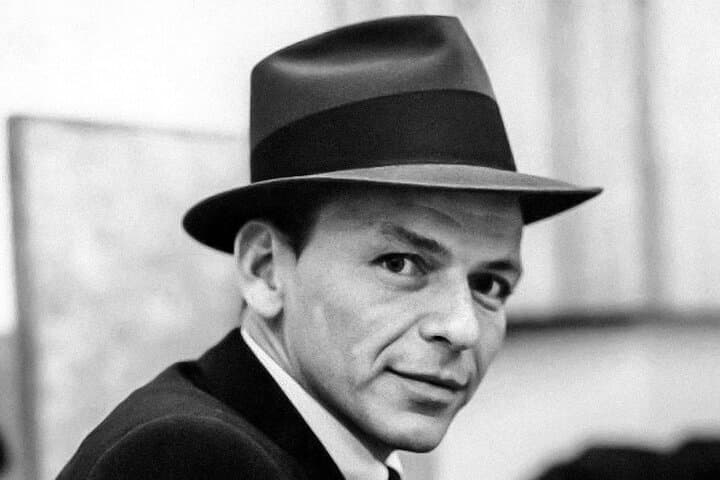
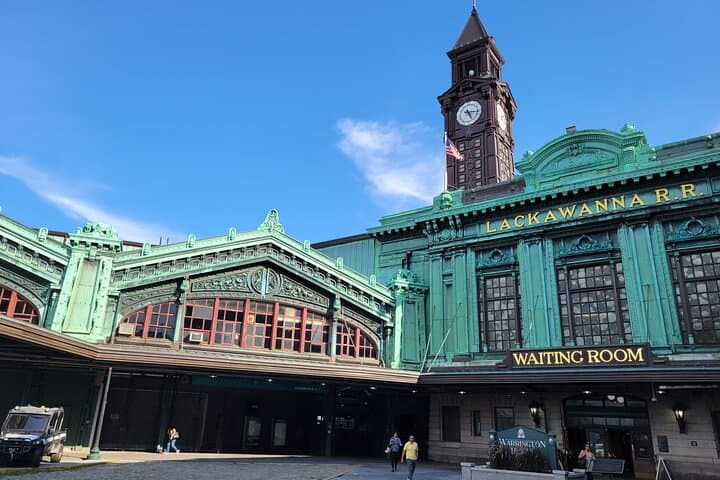
Walks and viewpoints—Exchange Place, the Colgate Clock, Newport and Hoboken—offer both architectural context and human stories: immigrant neighborhoods, 20th-century shipping, the Holland Tunnel’s emergency-era engineering and Frank Sinatra’s Hoboken roots. Guides weave these threads into a picture of how New Jersey prospered because of—and sometimes despite—being across the river.
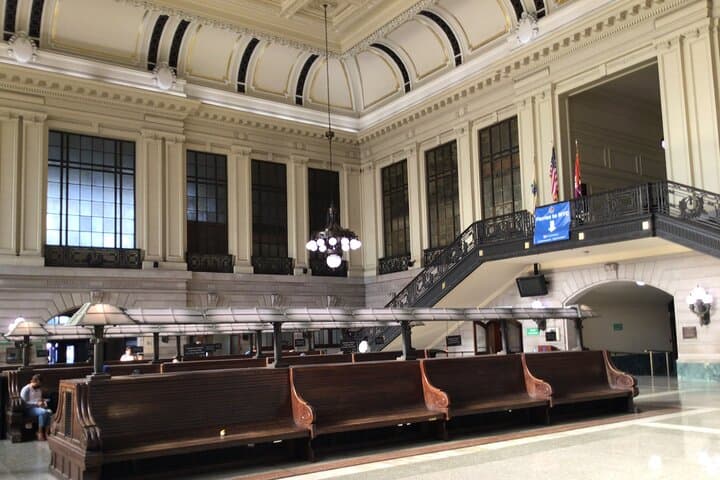
Practical guidance: the three-hour private tour mixes short walks with stops at waterfront piers and historic stations; wear comfortable shoes for paved promenades and some steps. Bring a wind layer—the Hudson likes to push—and a phone camera for clear skyline shots in the late afternoon light.
End in Hoboken for a baker’s stop at Carlo’s or a PATH ride back to Manhattan; transit and accessibility are straightforward but check PATH or ferry schedules before you go.
moderate.
3 hours.
Moderate — light walking on paved surfaces with occasional steps; suitable for most people who can stand and walk for 60–90 minutes cumulatively.
Meet outside the Oculus at the World Trade Center — the guide will wait near the main glass-and-steel entrance; arriving 10–15 minutes early is recommended.
Most waterfront promenades and PATH connections are wheelchair accessible, but some historic stations have steps; notify the operator of accessibility needs when booking.
Yes — from Hoboken or Exchange Place you can take the PATH back to Manhattan or the ferry; check schedules and buy PATH fares or ferry tickets as needed.
Food and drink are not included; the tour ends near Hoboken where cafes and Carlo’s Bakery are available for snacks or a meal.
This waterfront evolved from early ferry crossings and the Morris Canal to a 19th-century rail hub and, later, a 20th-century industrial railyard transformed into high-rise neighborhoods in the 1990s–2000s.
Shoreline restoration and tidal wetland projects aim to reduce erosion and improve habitat; visitors help by staying on paths and avoiding sensitive marsh edges.
IntoursNYC.com operates guided outdoor trips and adventures with an emphasis on safety, stewardship, and memorable experiences.
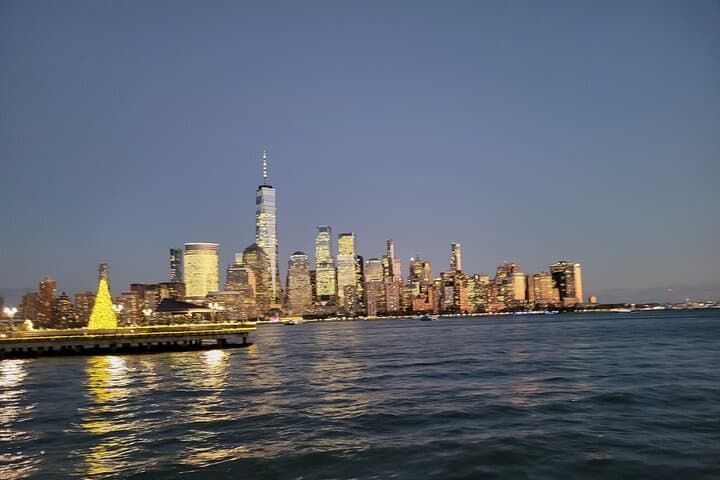
Stand on the Jersey City side of the Hudson and Manhattan feels like a living map — glass towers reflecting a river that keeps moving the skyline. The tour begins at the Oculus and World Trade Center, then crosses the water in view and follows a ribbon of piers, plazas and reclaimed railyards where industry surrendered to skyline.
Stand on the Jersey City side of the Hudson and Manhattan feels like a living map — glass towers reflecting a river that keeps moving the skyline. The tour begins at the Oculus and World Trade Center, then crosses the water in view and follows a ribbon of piers, plazas and reclaimed railyards where industry surrendered to skyline.
This stretch carries layers of history: Revolutionary skirmishes around Harsimus Cove, Robert Fulton’s early ferries, the Morris Canal and the 19th-century rail hub that once made this shoreline the busiest passenger gateway in the nation. Geologically the Hudson is an estuary, its tides pushing and pulling the industrial waterfront and shaping shoreline habitats that modern development has worked to restore.
Walks and viewpoints—Exchange Place, the Colgate Clock, Newport and Hoboken—offer both architectural context and human stories: immigrant neighborhoods, 20th-century shipping, the Holland Tunnel’s emergency-era engineering and Frank Sinatra’s Hoboken roots. Guides weave these threads into a picture of how New Jersey prospered because of—and sometimes despite—being across the river.
Practical guidance: the three-hour private tour mixes short walks with stops at waterfront piers and historic stations; wear comfortable shoes for paved promenades and some steps. Bring a wind layer—the Hudson likes to push—and a phone camera for clear skyline shots in the late afternoon light.
End in Hoboken for a baker’s stop at Carlo’s or a PATH ride back to Manhattan; transit and accessibility are straightforward but check PATH or ferry schedules before you go.