THE ADVENTURE COLLECTIVE® · Independent discovery and booking for outdoor travel

A compact, high-Andes horseback trek from Cusco that combines an overnight camp at Qoricocha with a visit to the Inca site of Huchuy Qosqo. Expect thin air, stone irrigation works, llamas, and a practical two-day ride through living Quechua landscapes.
A compact, high-Andes horseback trek from Cusco that combines an overnight camp at Qoricocha with a visit to the Inca site of Huchuy Qosqo. Expect thin air, stone irrigation works, llamas, and a practical two-day ride through living Quechua landscapes.
Morning light on the high puna throws long shadows across a string of saddle bags as riders head up toward Qoricocha. The first day is quiet — thin air, the clop of hooves, and a scattering of alpacas feeding beside terraces — until the lake opens below and the camp is set at 4,200 meters.
Verified experiences and guided adventures in the surrounding area.
Operated by Horseback Riding Cusco · Cusco, Cusco
Morning light on the high puna throws long shadows across a string of saddle bags as riders head up toward Qoricocha. The first day is quiet — thin air, the clop of hooves, and a scattering of alpacas feeding beside terraces — until the lake opens below and the camp is set at 4,200 meters.
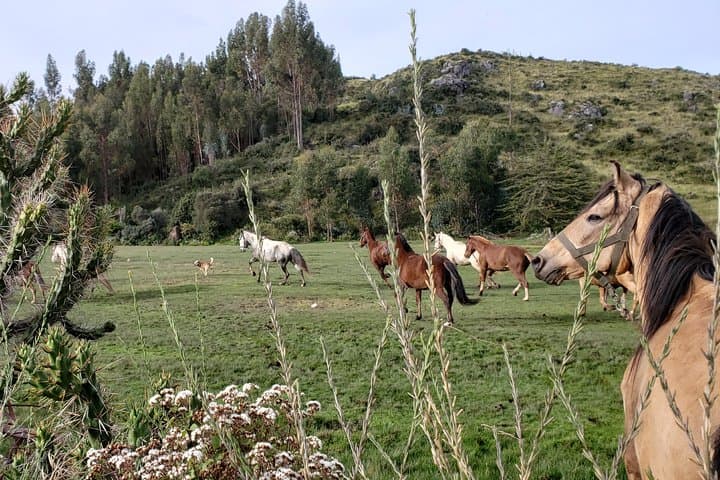
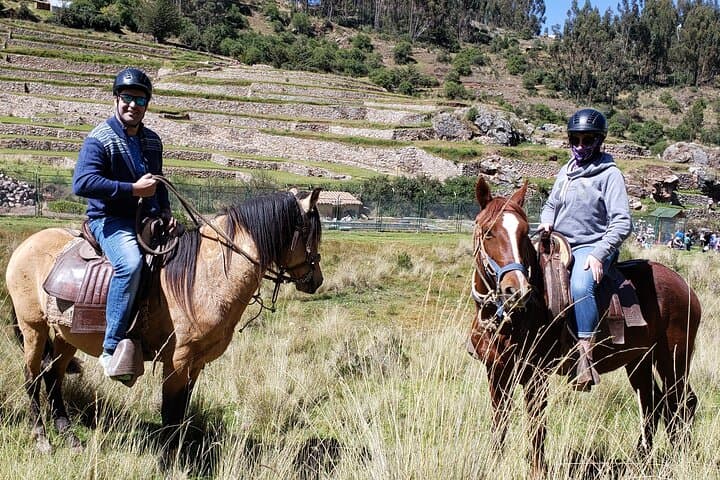
This route threads living Quechua communities, Inca agricultural works and a compact ruin called Huchuy Qosqo — “Little Cusco” — where a 40 m kallanka and stone irrigation channels speak to pre-Columbian engineering. Geologically the trail crosses glacially carved valleys and high volcanic ridgelines; the soil is rocky, the grasses wind-bruised. Culturally, expect campesino hamlets where herders still manage llamas and alpacas and where Spanish and Quechua coexist.
Practically, the trip is a two-day, one-night horseback-and-camp program: a guided ride to Qoricocha, overnight tent camping, then a hike/ride to Huchuy Qosqo and return to the Sacred Valley. Altitude is the main challenge — pace yourself, hydrate, and sleep light on night one. Riders should be comfortable in a Western or Peruvian saddle and able to mount/dismount unaided; guides handle horse logistics but expect uneven terrain and short steep sections.
What you’ll carry is minimal: daypack, layers for freezing nights and strong sun, water, and basic toiletries. Leave no trace at the fragile puna lake; respect communal lands and packing-out rules. The reward is a compact, high-Andean experience that mixes riding, archaeological discovery, and close-up encounters with Andean pastoral life.
moderate.
2 days.
Able to sit comfortably in a saddle for several hours and manage short hikes at high altitude; basic endurance recommended.
Riding itself is moderate; the main issue is altitude — riders may feel short of breath and should move slowly, hydrate, and alert guides to any symptoms.
Yes — the tour includes camping equipment and a tented overnight at Qoricocha; bring a sleeping bag rated for cold temperatures.
Yes — the operator enforces a maximum rider weight of about 85 kg (190 lb) to ensure horse welfare and safety.
No formal experience is required but you should be comfortable on a horse and able to mount/dismount without assistance; guides handle steers and pace.
Huchuy Qosqo was an Inca administrative site with stone kallankas and an 800 m stone-lined irrigation channel; later chroniclers attributed parts of its construction to Viracocha-era legends.
The high-altitude wetlands and trails are fragile; follow leave-no-trace, avoid single-use plastics, and camp only in established sites to minimize erosion and local impact.
Horseback Riding Cusco operates guided outdoor trips and adventures with an emphasis on safety, stewardship, and memorable experiences.

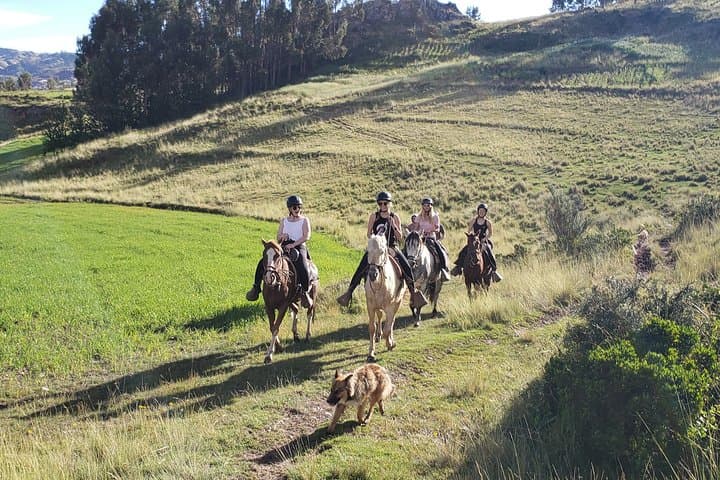
Morning light on the high puna throws long shadows across a string of saddle bags as riders head up toward Qoricocha. The first day is quiet — thin air, the clop of hooves, and a scattering of alpacas feeding beside terraces — until the lake opens below and the camp is set at 4,200 meters.
Morning light on the high puna throws long shadows across a string of saddle bags as riders head up toward Qoricocha. The first day is quiet — thin air, the clop of hooves, and a scattering of alpacas feeding beside terraces — until the lake opens below and the camp is set at 4,200 meters.
This route threads living Quechua communities, Inca agricultural works and a compact ruin called Huchuy Qosqo — “Little Cusco” — where a 40 m kallanka and stone irrigation channels speak to pre-Columbian engineering. Geologically the trail crosses glacially carved valleys and high volcanic ridgelines; the soil is rocky, the grasses wind-bruised. Culturally, expect campesino hamlets where herders still manage llamas and alpacas and where Spanish and Quechua coexist.
Practically, the trip is a two-day, one-night horseback-and-camp program: a guided ride to Qoricocha, overnight tent camping, then a hike/ride to Huchuy Qosqo and return to the Sacred Valley. Altitude is the main challenge — pace yourself, hydrate, and sleep light on night one. Riders should be comfortable in a Western or Peruvian saddle and able to mount/dismount unaided; guides handle horse logistics but expect uneven terrain and short steep sections.
What you’ll carry is minimal: daypack, layers for freezing nights and strong sun, water, and basic toiletries. Leave no trace at the fragile puna lake; respect communal lands and packing-out rules. The reward is a compact, high-Andean experience that mixes riding, archaeological discovery, and close-up encounters with Andean pastoral life.