THE ADVENTURE COLLECTIVE® · Independent discovery and booking for outdoor travel

Time-windowed tickets limit access to Huayna Picchu to 300 climbers daily—book early and prepare for steep stone steps, exposed ladders and spectacular vantage points over Machu Picchu. This guide explains what to expect on the ascent and how to plan for it.
Time-windowed tickets limit access to Huayna Picchu to 300 climbers daily—book early and prepare for steep stone steps, exposed ladders and spectacular vantage points over Machu Picchu. This guide explains what to expect on the ascent and how to plan for it.
You step through the stone doorway of Machu Picchu with the peak of Huayna Picchu rising like a green spine above the city. The trail folds into steep switchbacks, carved steps and short ladders that force you to slow down and count each breath—altitude and exposure shape the rhythm here.
Verified experiences and guided adventures in the surrounding area.
Operated by VTM Peru · Aguas Calientes, Cusco
You step through the stone doorway of Machu Picchu with the peak of Huayna Picchu rising like a green spine above the city. The trail folds into steep switchbacks, carved steps and short ladders that force you to slow down and count each breath—altitude and exposure shape the rhythm here.
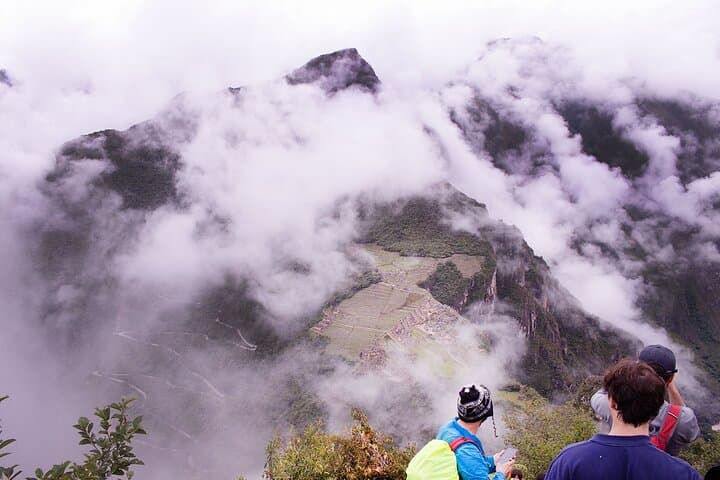
Huayna Picchu is the younger peak that frames the classic Machu Picchu view. The Inca engineers terraced its slopes for agriculture and erected small shrines; the mountain’s volcanic and sedimentary bedrock bears the same folded geology as the Urubamba valley. Local Quechua history and Spanish-era records converge on this place as both a ceremonial backdrop and a viewpoint for the citadel below.
Culturally, guides will point out agricultural terraces, carved niches and narrow stairways that reveal how movement and ritual were choreographed across the site. Botanically, the climb passes cloud-forest pockets of orchids and bromeliads; hummingbirds may dart ahead of you like bright punctuation.
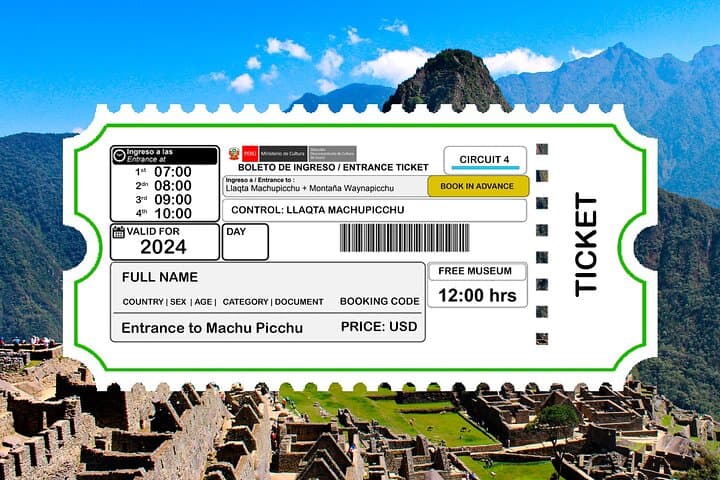
Practical guidance: tickets are sold in four timed groups (07:00–11:00) and strictly limited to 300 per day; book far in advance. The hike is a steep 1–2 hour round trip from the Machu Picchu entrance with exposed sections and metal ladders—good shoes, steady balance and acclimatization to 2,400–2,500 m are essential. Carry water, a light rain layer and minimal pack weight; expect steep, uneven stone and short scrambling. Arrive early, move deliberately on narrow stretches and follow staff directions—respecting ropes and closures preserves fragile ruins and keeps the route open for everyone.
challenging.
1–2 hours round trip (site access adds time).
Good cardiovascular fitness and steady balance recommended; expect steep steps and short scrambling sections
Yes—Huayna Picchu tickets include entry to Machu Picchu for that date, but purchase the specific Huayna time-slot ticket; confirm that your main Machu Picchu permit corresponds to the same day.
The trail includes exposed ledges and ladders; if heights are a concern, choose Machu Picchu Mountain or stay within the citadel where views are expansive but less exposed.
Time slots are strictly managed and capacity-limited; changes are rarely possible—book the correct window in advance to avoid disappointment.
Travelers with significant cardiovascular or mobility issues are advised not to attempt Huayna Picchu; the route requires sure footing and moderate-to-high fitness.
Huayna Picchu served as a viewpoint and ceremonial adjunct to Machu Picchu; Inca terraces and stairways reflect precise stonework and agricultural planning.
Visitor caps and timed entries protect fragile paths and ruins—stick to marked routes, pack out waste and follow guide instructions to limit erosion.
VTM Peru operates guided outdoor trips and adventures with an emphasis on safety, stewardship, and memorable experiences.
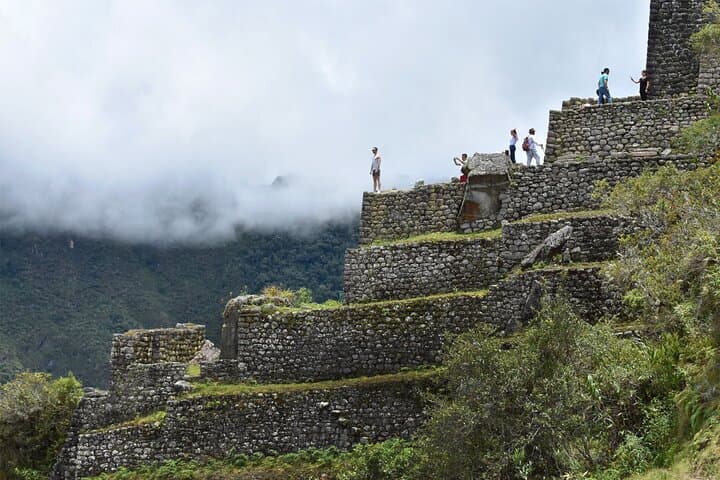
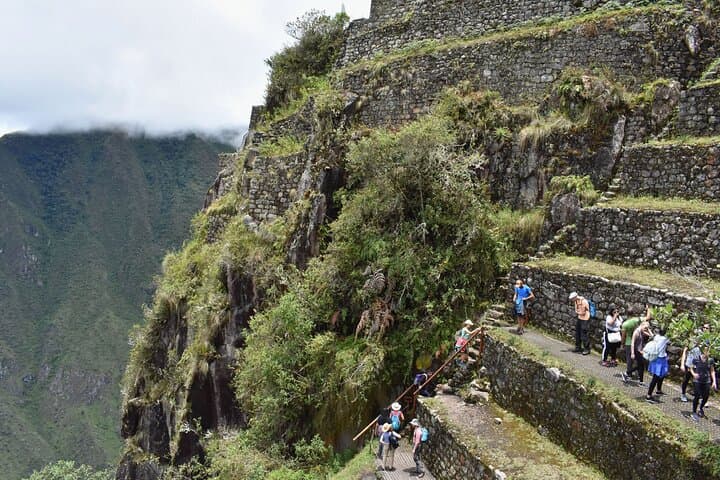
You step through the stone doorway of Machu Picchu with the peak of Huayna Picchu rising like a green spine above the city. The trail folds into steep switchbacks, carved steps and short ladders that force you to slow down and count each breath—altitude and exposure shape the rhythm here.
You step through the stone doorway of Machu Picchu with the peak of Huayna Picchu rising like a green spine above the city. The trail folds into steep switchbacks, carved steps and short ladders that force you to slow down and count each breath—altitude and exposure shape the rhythm here.
Huayna Picchu is the younger peak that frames the classic Machu Picchu view. The Inca engineers terraced its slopes for agriculture and erected small shrines; the mountain’s volcanic and sedimentary bedrock bears the same folded geology as the Urubamba valley. Local Quechua history and Spanish-era records converge on this place as both a ceremonial backdrop and a viewpoint for the citadel below.
Culturally, guides will point out agricultural terraces, carved niches and narrow stairways that reveal how movement and ritual were choreographed across the site. Botanically, the climb passes cloud-forest pockets of orchids and bromeliads; hummingbirds may dart ahead of you like bright punctuation.
Practical guidance: tickets are sold in four timed groups (07:00–11:00) and strictly limited to 300 per day; book far in advance. The hike is a steep 1–2 hour round trip from the Machu Picchu entrance with exposed sections and metal ladders—good shoes, steady balance and acclimatization to 2,400–2,500 m are essential. Carry water, a light rain layer and minimal pack weight; expect steep, uneven stone and short scrambling. Arrive early, move deliberately on narrow stretches and follow staff directions—respecting ropes and closures preserves fragile ruins and keeps the route open for everyone.