THE ADVENTURE COLLECTIVE® · Independent discovery and booking for outdoor travel

Two days that combine the broad, ceremonial plazas of Machu Picchu with the steep, heart-pumping ascent of Huayna Picchu. Expect narrow steps, dramatic views and a travel cadence shaped by trains, shuttles and limited-entry permits.
Two days that combine the broad, ceremonial plazas of Machu Picchu with the steep, heart-pumping ascent of Huayna Picchu. Expect narrow steps, dramatic views and a travel cadence shaped by trains, shuttles and limited-entry permits.
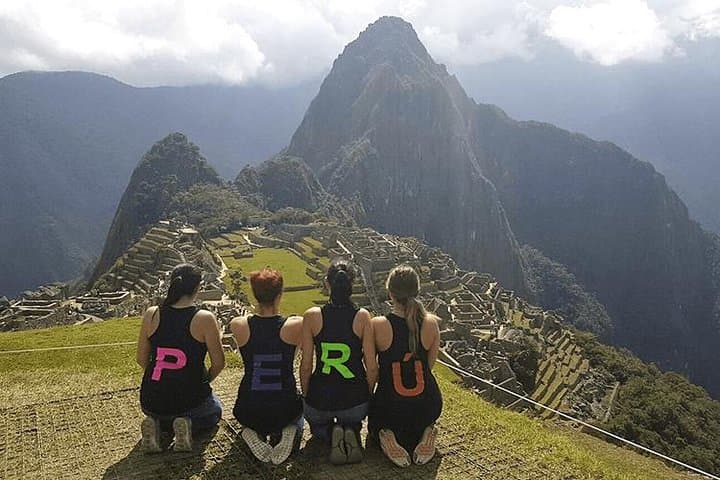
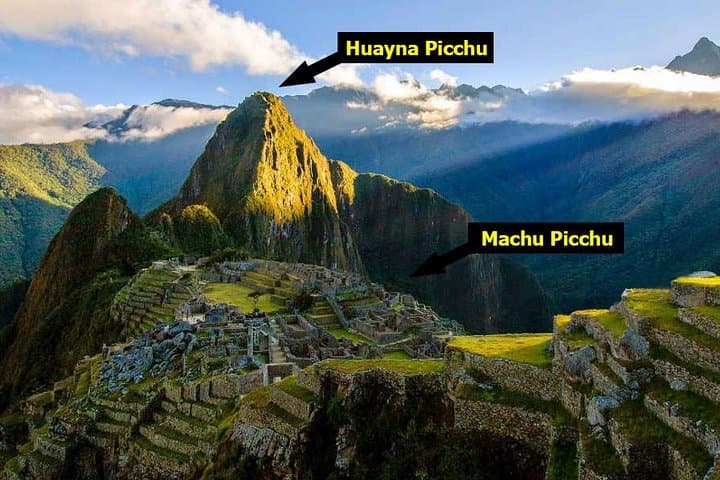
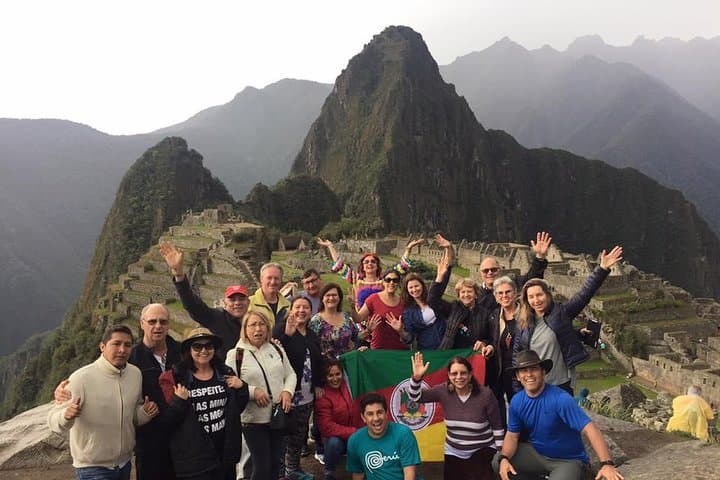
You step off the train into Aguas Calientes and the humid air lifts like a curtain—the Urubamba River hurries past, as if impatient to show you the ruins upstream. After a night in town you rise before dawn, catching the first shuttle into Machu Picchu where stone plazas catch the morning light. The summit of Huayna (Huayna Picchu) rises above the complex, a steep spine of broken steps, narrow ledges and sudden viewpoints that reward anyone willing to push upward.
Verified experiences and guided adventures in the surrounding area.
Operated by Incas Advisor Travel Peru · Aguas Calientes, Cusco
You step off the train into Aguas Calientes and the humid air lifts like a curtain—the Urubamba River hurries past, as if impatient to show you the ruins upstream. After a night in town you rise before dawn, catching the first shuttle into Machu Picchu where stone plazas catch the morning light. The summit of Huayna (Huayna Picchu) rises above the complex, a steep spine of broken steps, narrow ledges and sudden viewpoints that reward anyone willing to push upward.
Machu Picchu sits on a rocky ridge carved by tectonics and the persistent flow of the Urubamba; the site blends Inca stonecraft with dramatic topography. Both sites date to the 15th century and are tied to Inca ceremonial and agricultural life—terraces, temples and waterworks mapped onto an unforgiving slope. Local Quechua culture still threads the region: markets, traditional textiles and the llamas grazing on lower terraces are living links to that past.
Practical guidance: expect about 1–2 hours roundtrip for the Huayna Picchu trail (~1.6 km one way, ~250 m elevation gain) and 2 hours to explore the main Machu Picchu circuit. Trails are steep, uneven and sometimes exposed; harnessed ladders and carved steps demand steady footing. The tour typically includes a bus from Aguas Calientes and train travel from Ollantaytambo (≈1.5 hr). Acclimatize in Cusco if possible, carry water, layers and a rain shell—weather shifts quickly in the cloud forest. Permits for Huayna Picchu are limited and are usually included; arrive early for the best light and quieter paths.
challenging.
2 days.
Participants should have good cardiovascular fitness and experience with sustained uphill hiking; comfortable with exposure.
Yes—Huayna Picchu has limited, timed permits separate from general Machu Picchu entry; most organized tours include this in the package.
The ascent is short but steep—plan 1–2 hours roundtrip depending on pace and crowding, with about 250 meters (800 ft) of elevation gain.
Strongly recommended—Cusco sits higher than Machu Picchu, and if you arrive from sea level, allow 24–48 hours in Cusco to reduce altitude-related symptoms.
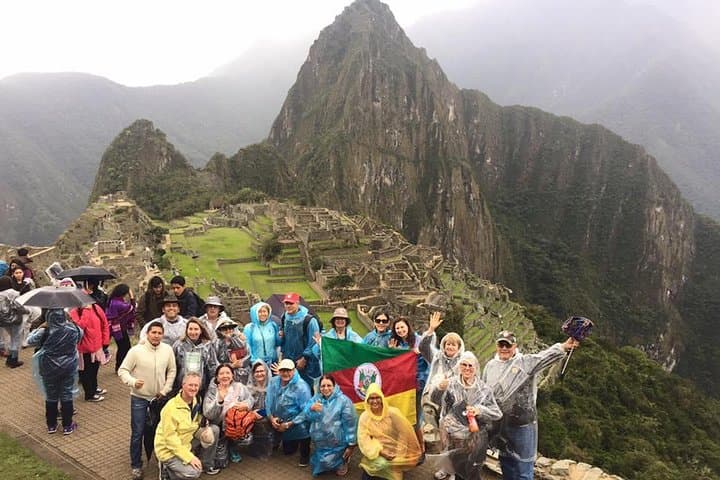
Tours may be canceled in heavy rain due to safety; bring waterproof layers and check local forecasts—muddy steps and low visibility can make the Huayna ascent hazardous.
Machu Picchu was built by the Incas in the 15th century as an estate and ceremonial site; Huayna Picchu contains agricultural terraces and shrines that complement the main city.
Visitor limits for Huayna Picchu and controlled circuits in Machu Picchu reduce erosion and crowding; stick to marked paths and avoid touching archaeological stonework.
Incas Advisor Travel Peru operates guided outdoor trips and adventures with an emphasis on safety, stewardship, and memorable experiences.
You step off the train into Aguas Calientes and the humid air lifts like a curtain—the Urubamba River hurries past, as if impatient to show you the ruins upstream. After a night in town you rise before dawn, catching the first shuttle into Machu Picchu where stone plazas catch the morning light. The summit of Huayna (Huayna Picchu) rises above the complex, a steep spine of broken steps, narrow ledges and sudden viewpoints that reward anyone willing to push upward.
You step off the train into Aguas Calientes and the humid air lifts like a curtain—the Urubamba River hurries past, as if impatient to show you the ruins upstream. After a night in town you rise before dawn, catching the first shuttle into Machu Picchu where stone plazas catch the morning light. The summit of Huayna (Huayna Picchu) rises above the complex, a steep spine of broken steps, narrow ledges and sudden viewpoints that reward anyone willing to push upward.
Machu Picchu sits on a rocky ridge carved by tectonics and the persistent flow of the Urubamba; the site blends Inca stonecraft with dramatic topography. Both sites date to the 15th century and are tied to Inca ceremonial and agricultural life—terraces, temples and waterworks mapped onto an unforgiving slope. Local Quechua culture still threads the region: markets, traditional textiles and the llamas grazing on lower terraces are living links to that past.
Practical guidance: expect about 1–2 hours roundtrip for the Huayna Picchu trail (~1.6 km one way, ~250 m elevation gain) and 2 hours to explore the main Machu Picchu circuit. Trails are steep, uneven and sometimes exposed; harnessed ladders and carved steps demand steady footing. The tour typically includes a bus from Aguas Calientes and train travel from Ollantaytambo (≈1.5 hr). Acclimatize in Cusco if possible, carry water, layers and a rain shell—weather shifts quickly in the cloud forest. Permits for Huayna Picchu are limited and are usually included; arrive early for the best light and quieter paths.