
Huayhuash Trek: One of the World's Most Impressive High-Altitude Hikes
A compact, high-altitude circuit of jagged peaks, glacial lakes and high passes, the Huayhuash trek rewards preparation with some of Peru's most dramatic mountain scenery. Learn what to expect—terrain, weather windows, and practical tips for planning a safe, memorable crossing.
An Adventure In Huaraz.
A compact, high-altitude circuit of jagged peaks, glacial lakes and high passes, the Huayhuash trek rewards preparation with some of Peru's most dramatic mountain scenery. Learn what to expect—terrain, weather windows, and practical tips for planning a safe, memorable crossing.
Read the full experience
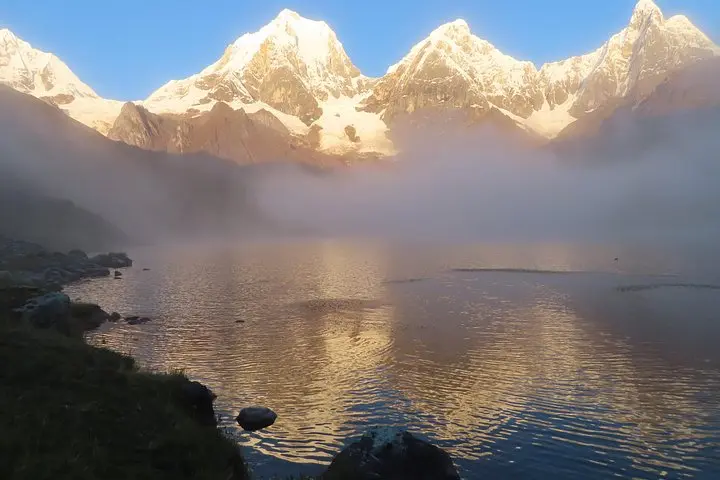
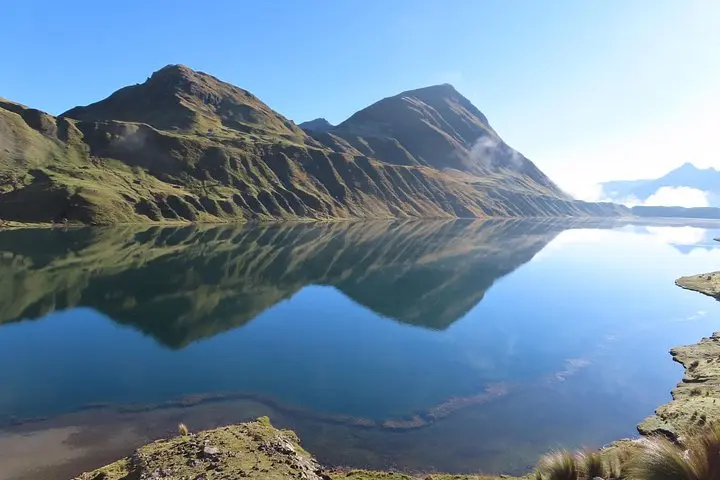
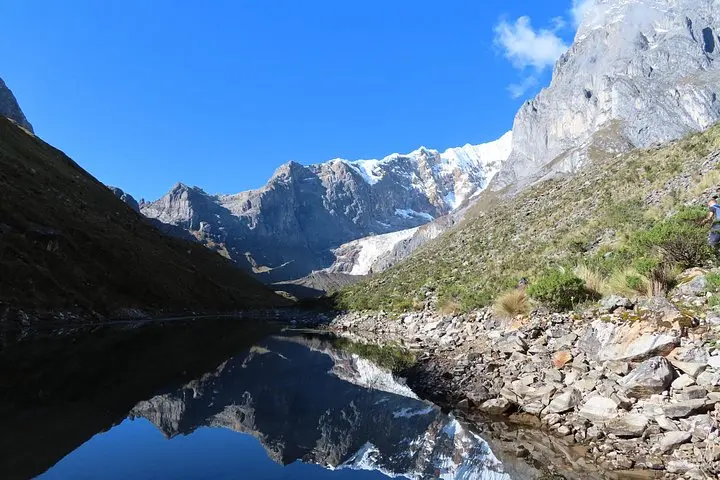
A cold wind moves through the cirque before dawn, nudging the surface of a high Andean lake into a mirror that holds the ragged silhouette of Yerupajá. Hikers breathe thin air while their boots crunch moraine and talus, the massif pressing in from all sides as glaciers groan above.
A cold wind moves through the cirque before dawn, nudging the surface of a high Andean lake into a mirror that holds the ragged silhouette of Yerupajá. Hikers breathe thin air while their boots crunch moraine and talus, the massif pressing in from all sides as glaciers groan above.
The Cordillera Huayhuash is compact and vertical: peaks over 6,000 meters, dramatic cirques, and a classic multi-day circuit of roughly 120–130 km that usually takes 8–12 days. Geologically young granite and schist thrust skyward across glacial valleys carved during the Pleistocene; culturally, small Quechua villages and shepherd camps (alpaqueros) dot the lower slopes and keep centuries-old grazing routes alive.
Expect high passes (4,200–5,000 m), cold nights, and sudden weather shifts where a sunlit meadow gives way to sleet an hour later. Rivers will push you toward fording points and lakes will dare you to pause for the view. The trail alternates between wide valley walks, rocky ascents, and narrow ridgelines.
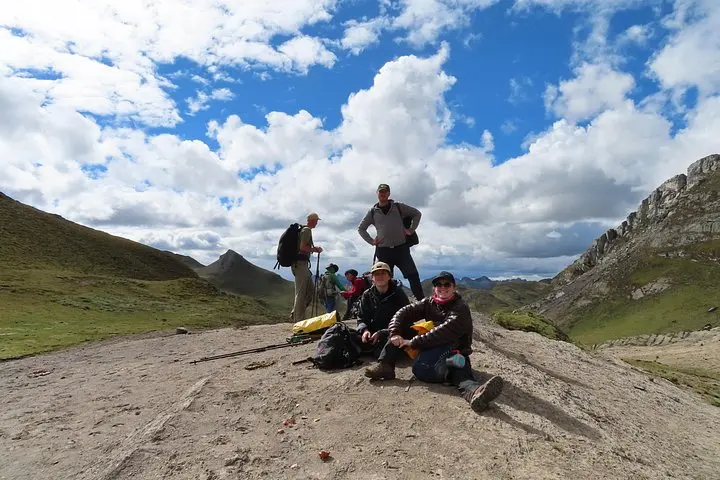
Practically: acclimatize in Huaraz for 2–3 days, carry layered clothing, and plan for 4–6 hours of hiking between camps on most days. Hydration and slow pacing are essential at altitude; treat water or use a filter. Footwear with solid ankle support and crampon-compatible boots help for icy approaches. Timing matters—May through September is the dry season with clearer passes; the austral summer brings frequent storms.
Whether on a guided circuit or a shorter day excursion, the Huayhuash delivers sharp alpine scenery and demanding trail work—beautiful, uncompromising, and best respected with preparation.
Frequently asked questions
The full circuit is challenging due to altitude, long days, and high passes (4,200–5,000 m); prior high-altitude trekking experience and good fitness are recommended.
The dry season (May–September) offers the most stable weather and clearer trails; the austral summer (Dec–Mar) is wetter with higher risk of storms.
Guides are strongly recommended for logistics, safety, and cultural liaison; permits and park fees may apply depending on the route—check locally in Huaraz.
Campsites and basic shepherd shelters exist along the circuit but services are limited—plan food and fuel in Huaraz and consider pack animals or a support crew for multi-day treks.
About This Experience
Waroma Eco Tours Peru operates guided outdoor trips and adventures with an emphasis on safety, stewardship, and memorable experiences.
Adventure tips
Recommended gear
- Sturdy hiking boots: Ankle support and a stiff sole help on rocky trails and glacier approaches.
- Insulating mid-layer (fleece/down): Temperatures drop sharply at night and above 4,000 m.
- Water filter or purification tablets: Safe drinking water is limited; filtering prevents gastrointestinal issues.
- Sun protection (sunglasses, sunscreen, hat): High elevation amplifies UV exposure even on cool days.
Photos of the experience
Related adventures & guides
Read the full experience
A cold wind moves through the cirque before dawn, nudging the surface of a high Andean lake into a mirror that holds the ragged silhouette of Yerupajá. Hikers breathe thin air while their boots crunch moraine and talus, the massif pressing in from all sides as glaciers groan above.
A cold wind moves through the cirque before dawn, nudging the surface of a high Andean lake into a mirror that holds the ragged silhouette of Yerupajá. Hikers breathe thin air while their boots crunch moraine and talus, the massif pressing in from all sides as glaciers groan above.
The Cordillera Huayhuash is compact and vertical: peaks over 6,000 meters, dramatic cirques, and a classic multi-day circuit of roughly 120–130 km that usually takes 8–12 days. Geologically young granite and schist thrust skyward across glacial valleys carved during the Pleistocene; culturally, small Quechua villages and shepherd camps (alpaqueros) dot the lower slopes and keep centuries-old grazing routes alive.
Expect high passes (4,200–5,000 m), cold nights, and sudden weather shifts where a sunlit meadow gives way to sleet an hour later. Rivers will push you toward fording points and lakes will dare you to pause for the view. The trail alternates between wide valley walks, rocky ascents, and narrow ridgelines.
Practically: acclimatize in Huaraz for 2–3 days, carry layered clothing, and plan for 4–6 hours of hiking between camps on most days. Hydration and slow pacing are essential at altitude; treat water or use a filter. Footwear with solid ankle support and crampon-compatible boots help for icy approaches. Timing matters—May through September is the dry season with clearer passes; the austral summer brings frequent storms.
Whether on a guided circuit or a shorter day excursion, the Huayhuash delivers sharp alpine scenery and demanding trail work—beautiful, uncompromising, and best respected with preparation.
Make a day of it nearby.
Verified experiences and guided adventures in the surrounding area.