THE ADVENTURE COLLECTIVE® · Independent discovery and booking for outdoor travel

Spend a day supporting olive ridley turtle conservation on Oaxacan beaches, then watch Manialtepec Lagoon glow with bioluminescent plankton. This combined wildlife-and-night-activity pairs supervised hatchling releases with a guided evening swim in warm, star-lit waters.
Spend a day supporting olive ridley turtle conservation on Oaxacan beaches, then watch Manialtepec Lagoon glow with bioluminescent plankton. This combined wildlife-and-night-activity pairs supervised hatchling releases with a guided evening swim in warm, star-lit waters.
You meet the coast as the sun lowers behind a wide Pacific horizon, warm air pushing salt and the sound of surf toward the shore. The day moves from a protected turtle camp—where volunteers work in the dim light—to a quiet blackwater lagoon that, after dark, begins to pulse with living light.
Verified experiences and guided adventures in the surrounding area.
Operated by Lamby Tours Huatulco · Puerto Escondido, Oaxaca
You meet the coast as the sun lowers behind a wide Pacific horizon, warm air pushing salt and the sound of surf toward the shore. The day moves from a protected turtle camp—where volunteers work in the dim light—to a quiet blackwater lagoon that, after dark, begins to pulse with living light.
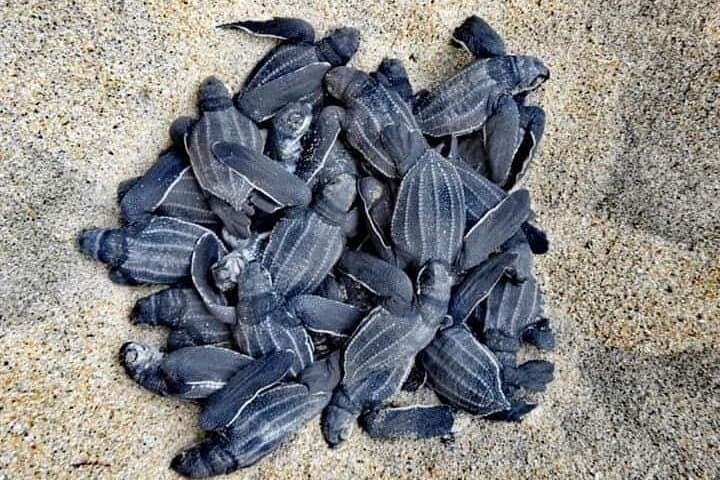
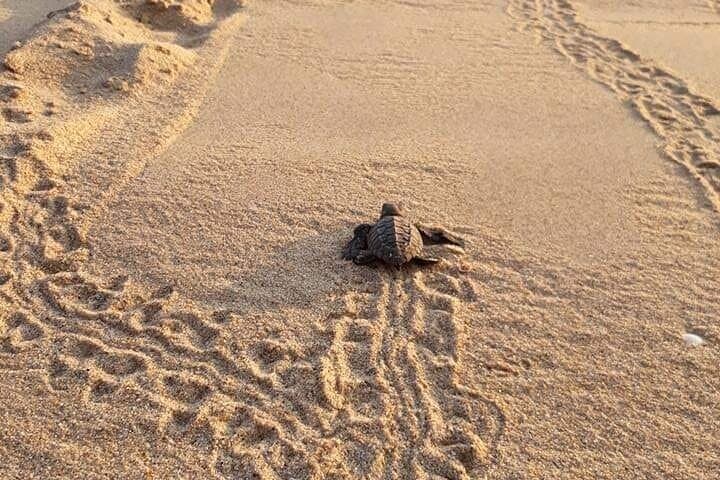
This stretch of Oaxaca’s coast is shaped by tectonic uplift and longshore currents that concentrate sandy nesting beaches and form shallow lagoons. Escobilla and Palmarito camps focus on olive ridley sea turtles, a species that returns en masse to nest; local communities and volunteer programs grew from conservation efforts in the 1990s to protect eggs and hatchlings. At night, Manialtepec’s brackish waters host dinoflagellates whose biochemistry creates visible bioluminescence when disturbed—millions of microscopic sparkles that respond to your movements.
Expect an educational shoreline visit with supervised egg and hatchling releases, photo stops at Zicatela or coastal lookouts, then a guided nocturnal paddle or shallow swim in the lagoon to witness the glow. The full program can be a long day—vehicle transfers between Huatulco and the Manialtepec area can take a couple of hours each way—so plan for transit time.
Practical notes: bring a towel and swimsuit for a shallow swim, headlamp with red filter for moving around without ruining night vision, and insect repellent for the lagoon. Respect handling rules: guides will control contact with turtles; do not use flash photography during releases. Timing around new moons gives the best bioluminescence contrast; go with a certified operator who follows local permit and conservation rules.
easy.
8–10 hours.
Suitable for most fitness levels; involves short beach walks, brief shallow swims, and periods of standing or sitting during transfers.
Olive ridley nesting on Oaxaca’s beaches typically occurs in the rainy months into the fall; peak nesting and hatchling releases often happen between July and November, though exact timing varies by year and site.
No—ranger or volunteer staff will direct any necessary handling; visitors generally assist by holding hatchlings only when instructed and under supervision to minimize stress.
No—bioluminescence depends on water conditions and moonlight; the glow is strongest on darker nights and after calm weather, so sightings are common but not guaranteed.
Transfers can be long—expect up to 2–3 hours of driving round-trip depending on the route and whether the tour visits Escobilla, Palmarito, or Manialtepec lagoon.
Community-led conservation on this coast grew in the late 20th century as locals and NGOs established protected nesting camps and monitoring programs to counter poaching and habitat loss.
Participate only with licensed operators who follow turtle-handling protocols, limit beach light at night, and use community programs that ensure eggs and hatchlings are protected rather than collected.
Lamby Tours Huatulco operates guided outdoor trips and adventures with an emphasis on safety, stewardship, and memorable experiences.


You meet the coast as the sun lowers behind a wide Pacific horizon, warm air pushing salt and the sound of surf toward the shore. The day moves from a protected turtle camp—where volunteers work in the dim light—to a quiet blackwater lagoon that, after dark, begins to pulse with living light.
You meet the coast as the sun lowers behind a wide Pacific horizon, warm air pushing salt and the sound of surf toward the shore. The day moves from a protected turtle camp—where volunteers work in the dim light—to a quiet blackwater lagoon that, after dark, begins to pulse with living light.
This stretch of Oaxaca’s coast is shaped by tectonic uplift and longshore currents that concentrate sandy nesting beaches and form shallow lagoons. Escobilla and Palmarito camps focus on olive ridley sea turtles, a species that returns en masse to nest; local communities and volunteer programs grew from conservation efforts in the 1990s to protect eggs and hatchlings. At night, Manialtepec’s brackish waters host dinoflagellates whose biochemistry creates visible bioluminescence when disturbed—millions of microscopic sparkles that respond to your movements.
Expect an educational shoreline visit with supervised egg and hatchling releases, photo stops at Zicatela or coastal lookouts, then a guided nocturnal paddle or shallow swim in the lagoon to witness the glow. The full program can be a long day—vehicle transfers between Huatulco and the Manialtepec area can take a couple of hours each way—so plan for transit time.
Practical notes: bring a towel and swimsuit for a shallow swim, headlamp with red filter for moving around without ruining night vision, and insect repellent for the lagoon. Respect handling rules: guides will control contact with turtles; do not use flash photography during releases. Timing around new moons gives the best bioluminescence contrast; go with a certified operator who follows local permit and conservation rules.