THE ADVENTURE COLLECTIVE® · Independent discovery and booking for outdoor travel

See Huaraz from El Pinar, explore the Wilcahuain funerary complex and tour the Regional Museum of Ancash on a focused private half-day outing. Ideal for travelers wanting compact cultural context with mountain vistas.
See Huaraz from El Pinar, explore the Wilcahuain funerary complex and tour the Regional Museum of Ancash on a focused private half-day outing. Ideal for travelers wanting compact cultural context with mountain vistas.
The morning air at 3,100 meters is thin and bright; from El Pinar viewpoint the Cordillera Blanca pricks the skyline and the city of Huaraz spreads below like a living map. You start with that broad vantage—peaks glinting, fields patchworked with potatoes—and move into human history: stone platforms, mausoleums and carved monoliths that point to centuries of highland life.
Verified experiences and guided adventures in the surrounding area.
Operated by LimaTours · Huaraz, Ancash
The morning air at 3,100 meters is thin and bright; from El Pinar viewpoint the Cordillera Blanca pricks the skyline and the city of Huaraz spreads below like a living map. You start with that broad vantage—peaks glinting, fields patchworked with potatoes—and move into human history: stone platforms, mausoleums and carved monoliths that point to centuries of highland life.
Wilcahuain feels deliberate and austere: a three-tiered funerary temple built during Huari-Tiahuanaco influence, its stone faces watching the valley that supported pre-Hispanic elites. Back in town the Regional Museum of Ancash displays the region’s strongest archaeological threads—Recuay stone sculpture, Chavín iconography—helping put local traditions in dialogue with the mountains outside.
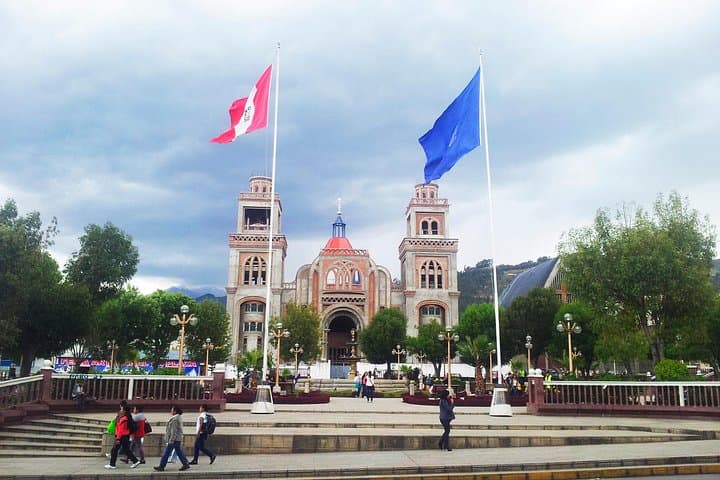
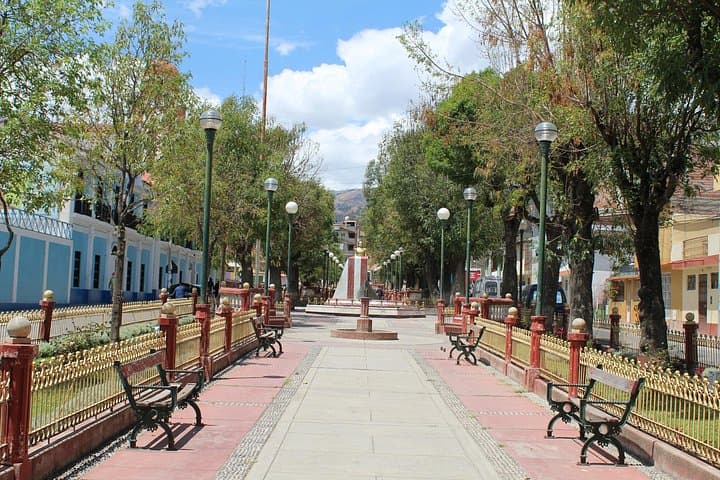
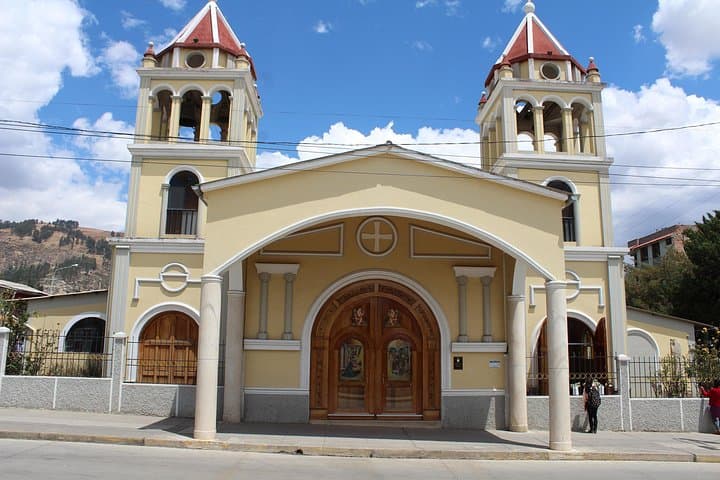
Huaraz itself is a practical mountain city shaped by farming, Catholic ritual and a dramatic rebuilding after the 1970 Ancash earthquake. Geologically, the landscape is young and restless: uplifted Andean strata, glacial cirques to the east and fast seasonal runoff that feeds rivers daring you to follow them upstream.
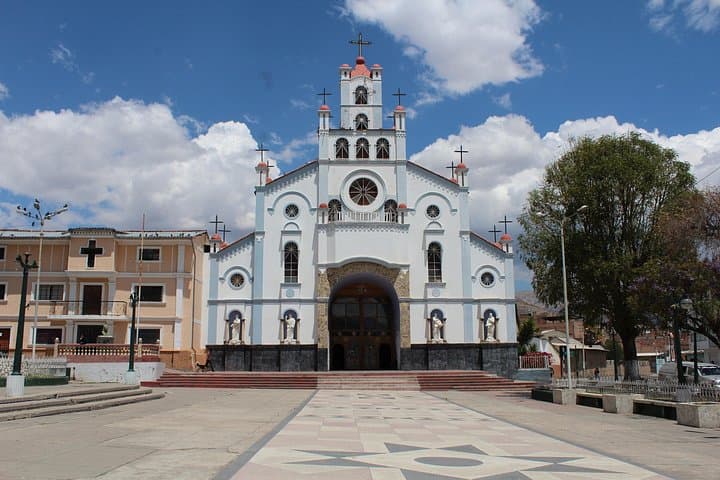
Practically, the private tour moves at a steady, accessible pace—short walks, timed admissions, and hotel pickup. Expect three to four hours total with time for photos, a museum visit and a stop at the Church of Solitude. Bring sun protection, a warm layer for wind off the high peaks, and local currency for snacks or optional horseback rides in the countryside. If you’re new to altitude, take it easy before the tour and sip water steadily; the guide handles logistics so you can focus on the views and the stones that reveal this valley’s past.
easy.
3–4 hours.
Suitable for most fitness levels; short, easy walks at altitude mean basic stamina and light acclimatization are recommended.
The private tour runs about 3.5 hours (210 minutes) including transfers, entrance times and short walks.
Yes—the tour includes admission to the Regional Museum of Ancash and the Wilcahuain archaeological site as stated in the inclusions.
Yes—private pickup and drop-off to your Huaraz hotel are included; confirm your hotel name when booking.
The tour is easy but Huaraz sits above 3,000 m; allow at least 24 hours to acclimatize, drink water, and avoid heavy exertion if you feel unwell.
Wilcahuain reflects Huari-Tiahuanaco funerary practices; Huaraz’s modern layout was reshaped after the 1970 Ancash earthquake and subsequent reconstruction.
Archaeological sites and highland puna are sensitive—stay on paths, avoid touching artifacts, pack out waste, and support local guides for sustainable tourism.
LimaTours operates guided outdoor trips and adventures with an emphasis on safety, stewardship, and memorable experiences.
The morning air at 3,100 meters is thin and bright; from El Pinar viewpoint the Cordillera Blanca pricks the skyline and the city of Huaraz spreads below like a living map. You start with that broad vantage—peaks glinting, fields patchworked with potatoes—and move into human history: stone platforms, mausoleums and carved monoliths that point to centuries of highland life.
The morning air at 3,100 meters is thin and bright; from El Pinar viewpoint the Cordillera Blanca pricks the skyline and the city of Huaraz spreads below like a living map. You start with that broad vantage—peaks glinting, fields patchworked with potatoes—and move into human history: stone platforms, mausoleums and carved monoliths that point to centuries of highland life.
Wilcahuain feels deliberate and austere: a three-tiered funerary temple built during Huari-Tiahuanaco influence, its stone faces watching the valley that supported pre-Hispanic elites. Back in town the Regional Museum of Ancash displays the region’s strongest archaeological threads—Recuay stone sculpture, Chavín iconography—helping put local traditions in dialogue with the mountains outside.
Huaraz itself is a practical mountain city shaped by farming, Catholic ritual and a dramatic rebuilding after the 1970 Ancash earthquake. Geologically, the landscape is young and restless: uplifted Andean strata, glacial cirques to the east and fast seasonal runoff that feeds rivers daring you to follow them upstream.
Practically, the private tour moves at a steady, accessible pace—short walks, timed admissions, and hotel pickup. Expect three to four hours total with time for photos, a museum visit and a stop at the Church of Solitude. Bring sun protection, a warm layer for wind off the high peaks, and local currency for snacks or optional horseback rides in the countryside. If you’re new to altitude, take it easy before the tour and sip water steadily; the guide handles logistics so you can focus on the views and the stones that reveal this valley’s past.