THE ADVENTURE COLLECTIVE® · Independent discovery and booking for outdoor travel

Escape Beijing for a full-day private drive to Huangyaguan—where wild wallwalks meet Ming-era masonry—and the solemn Western Qing Tombs. Expect two hours of hilltop hiking, a local farmhouse lunch, and guided history from frontier defenses to imperial burial rites.
Escape Beijing for a full-day private drive to Huangyaguan—where wild wallwalks meet Ming-era masonry—and the solemn Western Qing Tombs. Expect two hours of hilltop hiking, a local farmhouse lunch, and guided history from frontier defenses to imperial burial rites.
Fog lifts off the ridgeline as your private car climbs away from the city; the road opens onto cracked brickwork and watchtowers that lean into wind. Huangyaguan’s restored and wild stretches alternate—wide, firm steps give way to raw, crenellated parapets where lichen colors the stone. The air tastes of grass and distant diesel as the guide leads the group along two hours of uneven hilltop trail toward the statue of General Qi.
Verified experiences and guided adventures in the surrounding area.
Operated by Lily's tour service · Tianjin, Tianjin
Fog lifts off the ridgeline as your private car climbs away from the city; the road opens onto cracked brickwork and watchtowers that lean into wind. Huangyaguan’s restored and wild stretches alternate—wide, firm steps give way to raw, crenellated parapets where lichen colors the stone. The air tastes of grass and distant diesel as the guide leads the group along two hours of uneven hilltop trail toward the statue of General Qi.
Built originally in the Northern Qi (6th century) and reinforced under the Ming, Huangyaguan blends millennia of frontier defense with modern conservation. The geology is typical of northeastern China’s low mountains—granite outcrops and compacted loess soils that channel seasonal runoff into narrow gullies. Culture here is rural and utilitarian: nearby villages served the wall’s garrisons for centuries, and modern farmers now run the small restaurants that feed visitors.
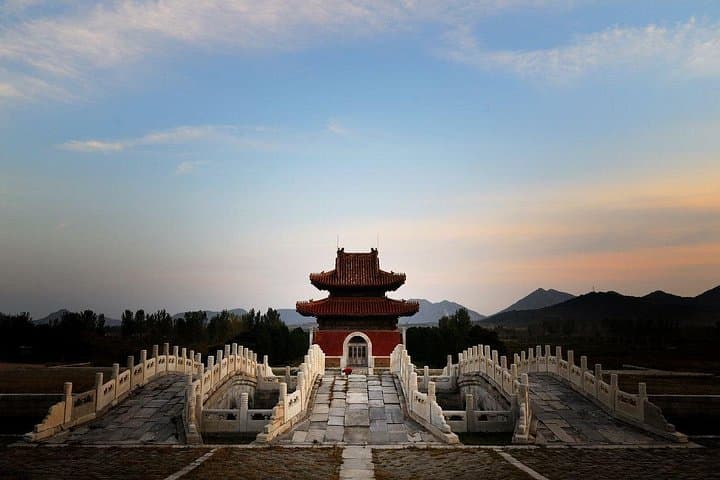
After a country-style lunch, the route shifts to the Western Qing Tombs—imperial architecture scaled to ceremony, marble spirit ways, and subterranean burial chambers that reveal Qing funerary hierarchy and stolen treasures’ history. The two sites together offer a contrast: exposed, windy wallwalks versus ordered, ceremonial tomb grounds.
Practical guidance: expect 2–3 hours of light to moderate hiking on steep, uneven stone with short, steep stair sections. Bring sturdy footwear, sun protection, and a layered jacket—the ridge is several degrees cooler than the valley. The drive from Beijing is roughly 2.5 hours each way; plan for a full-day outing and limited cellphone reception on parts of the route. A licensed guide and entrance fees are typically included, but carry cash for village snacks and tips.
moderate.
10–12 hours.
Moderate fitness: able to walk 2–3 hours on uneven stone with short steep climbs and handle several hours in a vehicle.
The guided walking portion is about 2 hours, covering restored and rough segments, with multiple short stair climbs.
No special permit is required for tourists; entrance tickets are normally included in the tour price.
Infants in strollers may be accommodated in parts, but the Great Wall walk and some tomb passages involve stairs and uneven ground—not recommended for travelers with significant spinal issues.
Private tours typically include an English-speaking licensed guide; confirm language at booking to ensure your preference.
Huangyaguan began in the Northern Qi era and was substantially fortified in the Ming; the Western Qing Tombs are a Qing imperial necropolis where several emperors and members of the royal household were interred.
Visitor numbers are managed on restored sections to minimize erosion; stick to marked paths, avoid climbing on fragile masonry, and support local businesses to keep conservation funds flowing.
Lily's tour service operates guided outdoor trips and adventures with an emphasis on safety, stewardship, and memorable experiences.
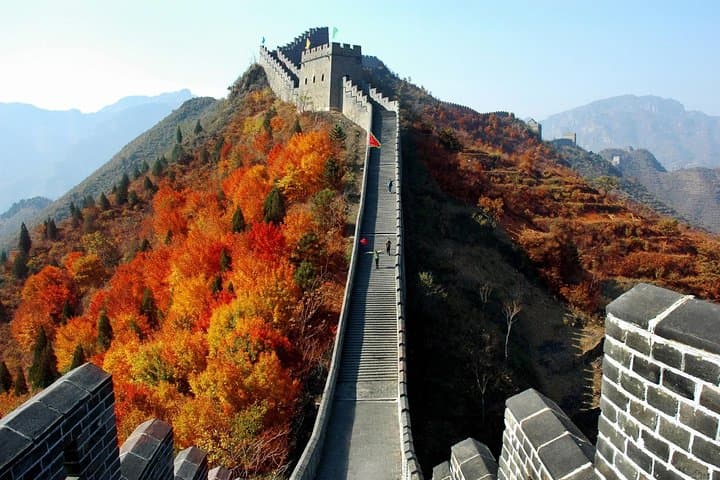
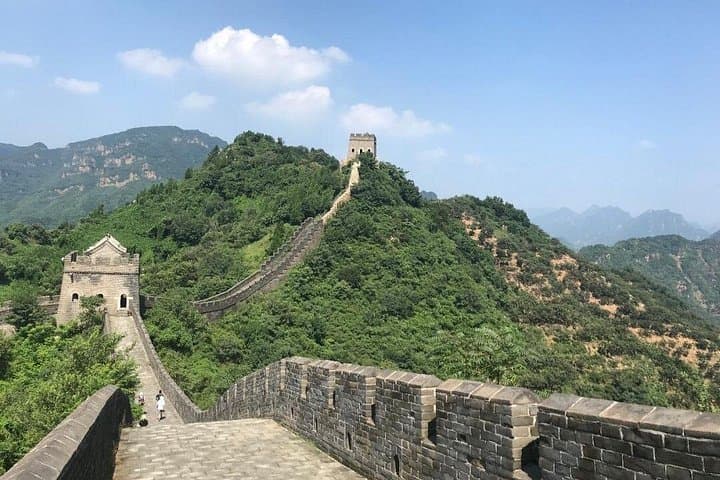
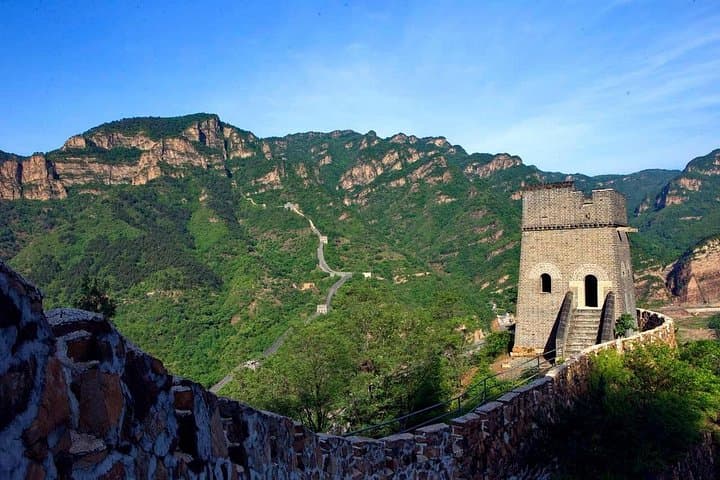
Fog lifts off the ridgeline as your private car climbs away from the city; the road opens onto cracked brickwork and watchtowers that lean into wind. Huangyaguan’s restored and wild stretches alternate—wide, firm steps give way to raw, crenellated parapets where lichen colors the stone. The air tastes of grass and distant diesel as the guide leads the group along two hours of uneven hilltop trail toward the statue of General Qi.
Fog lifts off the ridgeline as your private car climbs away from the city; the road opens onto cracked brickwork and watchtowers that lean into wind. Huangyaguan’s restored and wild stretches alternate—wide, firm steps give way to raw, crenellated parapets where lichen colors the stone. The air tastes of grass and distant diesel as the guide leads the group along two hours of uneven hilltop trail toward the statue of General Qi.
Built originally in the Northern Qi (6th century) and reinforced under the Ming, Huangyaguan blends millennia of frontier defense with modern conservation. The geology is typical of northeastern China’s low mountains—granite outcrops and compacted loess soils that channel seasonal runoff into narrow gullies. Culture here is rural and utilitarian: nearby villages served the wall’s garrisons for centuries, and modern farmers now run the small restaurants that feed visitors.
After a country-style lunch, the route shifts to the Western Qing Tombs—imperial architecture scaled to ceremony, marble spirit ways, and subterranean burial chambers that reveal Qing funerary hierarchy and stolen treasures’ history. The two sites together offer a contrast: exposed, windy wallwalks versus ordered, ceremonial tomb grounds.
Practical guidance: expect 2–3 hours of light to moderate hiking on steep, uneven stone with short, steep stair sections. Bring sturdy footwear, sun protection, and a layered jacket—the ridge is several degrees cooler than the valley. The drive from Beijing is roughly 2.5 hours each way; plan for a full-day outing and limited cellphone reception on parts of the route. A licensed guide and entrance fees are typically included, but carry cash for village snacks and tips.