THE ADVENTURE COLLECTIVE® · Independent discovery and booking for outdoor travel

Cycle from the Bund to Lujiazui by ferry and explore Shanghai’s older concession streets and local parks on a 3.5-hour guided tour with lunch included. Flat city riding and short ferry crossings make this an accessible way to see both historic waterfronts and modern skylines.
Cycle from the Bund to Lujiazui by ferry and explore Shanghai’s older concession streets and local parks on a 3.5-hour guided tour with lunch included. Flat city riding and short ferry crossings make this an accessible way to see both historic waterfronts and modern skylines.
The Huangpu River glints under low-slung clouds as cyclists clip in along a narrow lane, the city unfolding in a tight sequence of contrasts: colonial-era stone façades on one bank, glass towers on the other. This guided bike-and-ferry loop threads those contrasts together, moving from the Bund's 19th-century portfront across the river by ferry to Lujiazui's futuristic spires, then back through quieter concession streets and an old community park where locals practice Tai Chi.
Verified experiences and guided adventures in the surrounding area.
Operated by Shanghai bicycle tour · Shanghai, Shanghai
The Huangpu River glints under low-slung clouds as cyclists clip in along a narrow lane, the city unfolding in a tight sequence of contrasts: colonial-era stone façades on one bank, glass towers on the other. This guided bike-and-ferry loop threads those contrasts together, moving from the Bund's 19th-century portfront across the river by ferry to Lujiazui's futuristic spires, then back through quieter concession streets and an old community park where locals practice Tai Chi.
Shanghai’s story is visible in the route: reclaimed waterfronts and foreign concessions from the treaty port era, followed by 20th- and 21st-century financial growth in Pudong. Geologically the Huangpu is a slow, tidal river channeled through reclaimed land; urban planning and riverfront engineering shaped how the waterfront reads today.
On the ride expect flat, mostly paved streets with occasional cobbles and narrow alleys; traffic is busy in central corridors so group cycling follows local rules. The ferry crossing is short and gives a different perspective of the skyline — useful for photos and orientation.
Practical guidance: the tour runs about 3.5 hours with multiple short stops, so wear closed shoes, bring a light rain layer and a refillable bottle. Fitness needs are moderate — basic bike handling in traffic is required. Take sunscreen, a small lock for stops, and carry your passport or ID photocopy. Timing your ride for morning or late afternoon reduces heat and traffic; be ready to join local life at markets and parks between highlights.
moderate.
3–4 hours.
Moderate fitness — comfortable on a bike for several short stretches, able to ride at city pace and handle stop-and-go traffic.
The tour lasts about 3.5 hours with a relaxed pace, including multiple short stops for photos and local sites.
Basic cycling skills and confidence riding in urban traffic are required; guides help manage the group through busy intersections.
Yes — helmets and bicycles are provided as part of the tour, and guides will fit equipment before departure.
Children can join if accompanied by an adult; infant seats are available but confirm when booking due to limited availability.
The Bund reflects Shanghai’s 19th-century treaty port era with European trading houses, while Lujiazui in Pudong is a late-20th-century financial development built on reclaimed riverbanks.
The Huangpu has seen water quality and riverfront improvements but remains an urban waterway; stick to marked paths, avoid littering, and respect community spaces.
Shanghai bicycle tour operates guided outdoor trips and adventures with an emphasis on safety, stewardship, and memorable experiences.
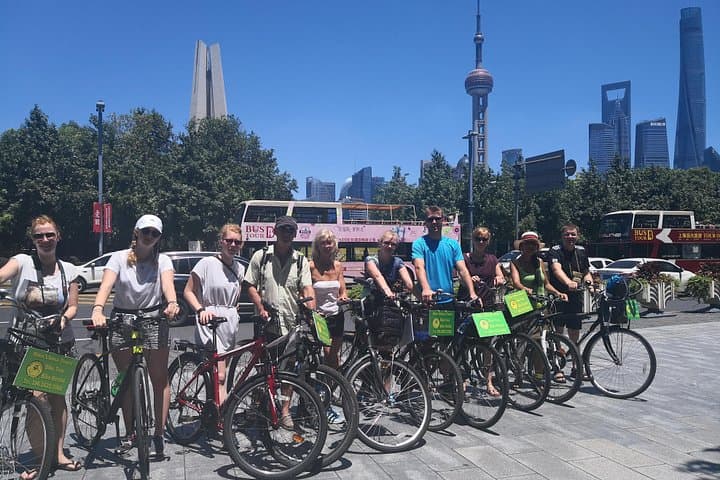

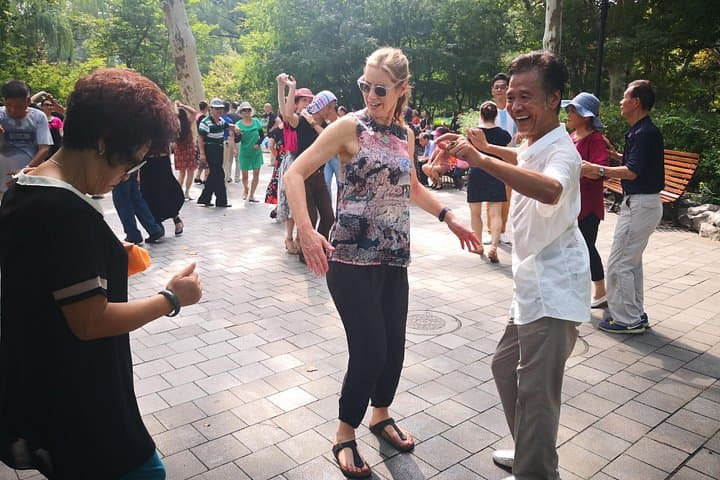
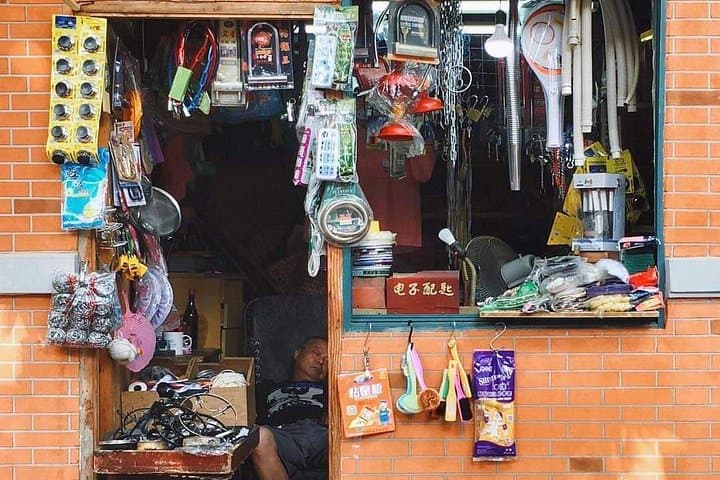
The Huangpu River glints under low-slung clouds as cyclists clip in along a narrow lane, the city unfolding in a tight sequence of contrasts: colonial-era stone façades on one bank, glass towers on the other. This guided bike-and-ferry loop threads those contrasts together, moving from the Bund's 19th-century portfront across the river by ferry to Lujiazui's futuristic spires, then back through quieter concession streets and an old community park where locals practice Tai Chi.
The Huangpu River glints under low-slung clouds as cyclists clip in along a narrow lane, the city unfolding in a tight sequence of contrasts: colonial-era stone façades on one bank, glass towers on the other. This guided bike-and-ferry loop threads those contrasts together, moving from the Bund's 19th-century portfront across the river by ferry to Lujiazui's futuristic spires, then back through quieter concession streets and an old community park where locals practice Tai Chi.
Shanghai’s story is visible in the route: reclaimed waterfronts and foreign concessions from the treaty port era, followed by 20th- and 21st-century financial growth in Pudong. Geologically the Huangpu is a slow, tidal river channeled through reclaimed land; urban planning and riverfront engineering shaped how the waterfront reads today.
On the ride expect flat, mostly paved streets with occasional cobbles and narrow alleys; traffic is busy in central corridors so group cycling follows local rules. The ferry crossing is short and gives a different perspective of the skyline — useful for photos and orientation.
Practical guidance: the tour runs about 3.5 hours with multiple short stops, so wear closed shoes, bring a light rain layer and a refillable bottle. Fitness needs are moderate — basic bike handling in traffic is required. Take sunscreen, a small lock for stops, and carry your passport or ID photocopy. Timing your ride for morning or late afternoon reduces heat and traffic; be ready to join local life at markets and parks between highlights.