THE ADVENTURE COLLECTIVE® · Independent discovery and booking for outdoor travel

Huanglong’s stepped travertine pools glint like a high-altitude gallery. This practical guide explains how to navigate entry windows, cable car options, and what to expect on boardwalk routes through a UNESCO-listed landscape.
Huanglong’s stepped travertine pools glint like a high-altitude gallery. This practical guide explains how to navigate entry windows, cable car options, and what to expect on boardwalk routes through a UNESCO-listed landscape.
You step through the main gate and the world tilts into color: stepped limestone pools ripple in jade and gold, a high valley air pulling cool against your cheeks while distant peaks keep watch.
Verified experiences and guided adventures in the surrounding area.
Operated by Travel China Guide · Songpan, Sichuan
You step through the main gate and the world tilts into color: stepped limestone pools ripple in jade and gold, a high valley air pulling cool against your cheeks while distant peaks keep watch.
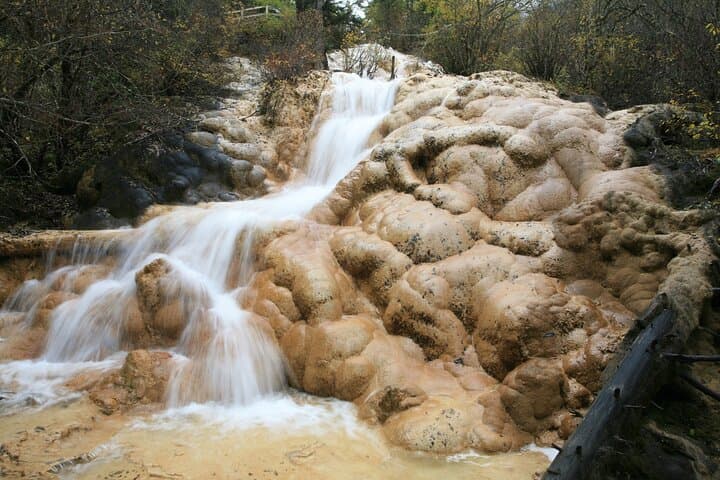
Geology here is the story — thick, mineral-rich waters depositing travertine over millennia to create the shelves and cascades that define Huanglong. The site is part of a UNESCO-listed natural area and the walk threads both natural and cultural markers: the Huanglong Ancient Temple, seasonal temple fairs and a history of local Tibetan and Han mountain culture intersecting at pilgrimage routes.
Most visitors begin at the entrance and choose between a cable car ride for a fast panorama or the plank roads that let you study details up close: Wucai Chi’s shifting colors, calcified falls, and the Zhengyan Caichi basins. Wooden boardwalks and signed trails concentrate foot traffic to protect delicate formations — follow them.
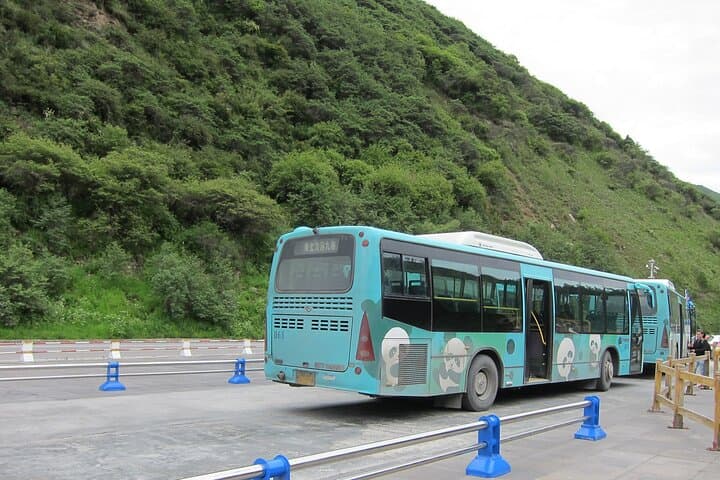
Practical notes: Huanglong operates two daily entry sessions; opening hours vary by season (summer longer hours). Present your passport for admission; seniors (60+) exchange for complimentary main-gate entry on site, but internal transport like cable cars costs extra. Options include cable car, shuttle bus to the upper trailhead, and a golf car service that validates on arrival.
Expect 4–6 hours for a thorough visit. Altitude and sun are real factors — move slowly, hydrate, and keep to the boardwalks to minimize impact. Early mornings and late afternoons offer softer light for photos and fewer crowds; watch for icy patches in shoulder seasons and respect wildlife from a distance.
moderate.
4–6 hours.
Suitable for most people with basic fitness; expect steady walking on boardwalks and short elevation changes at altitude.
Yes — present passport at the main entrance to validate standard tickets; passports are also required to collect paper cable-car or shuttle tickets on site.
Only if you select the cable car option when booking; entrance-only tickets do not include internal transport.
The site is accessible for visitors of most ages via boardwalks and transport options; children under 120 cm ride free on the cable car, and visitors 60+ get complimentary main-gate entry but must pay for internal transport.
Late spring through autumn offers long hours and vibrant pool colors; winter presents snow-dusted scenery but shorter opening hours and possible icy patches.
Huanglong’s travertine terraces formed over millions of years and the area is protected as part of a UNESCO World Heritage site that also preserves local Tibetan cultural sites like the Huanglong Ancient Temple.
The travertine pools are highly sensitive to trampling and pollution; stick to boardwalks, pack out waste, and avoid soaps or detergents near water.
Travel China Guide operates guided outdoor trips and adventures with an emphasis on safety, stewardship, and memorable experiences.
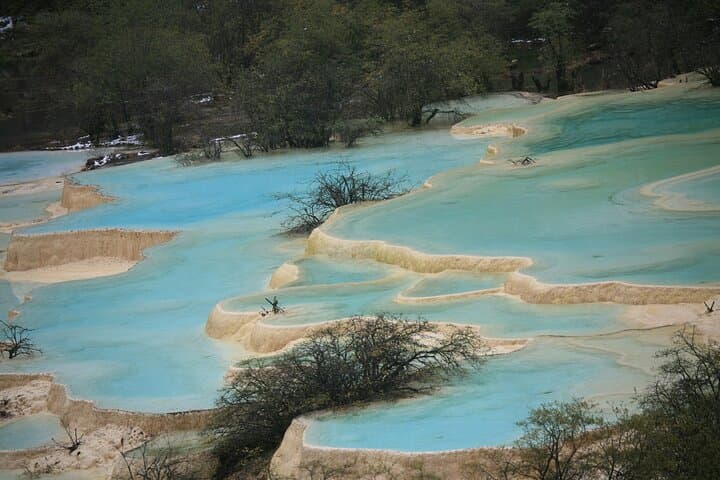
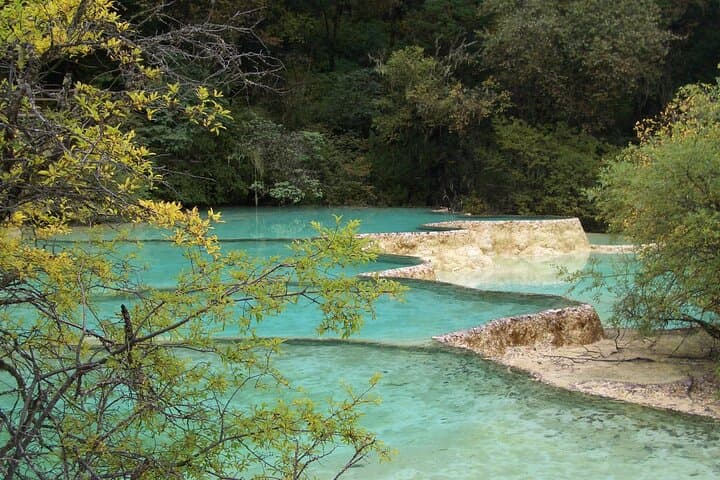
You step through the main gate and the world tilts into color: stepped limestone pools ripple in jade and gold, a high valley air pulling cool against your cheeks while distant peaks keep watch.
You step through the main gate and the world tilts into color: stepped limestone pools ripple in jade and gold, a high valley air pulling cool against your cheeks while distant peaks keep watch.
Geology here is the story — thick, mineral-rich waters depositing travertine over millennia to create the shelves and cascades that define Huanglong. The site is part of a UNESCO-listed natural area and the walk threads both natural and cultural markers: the Huanglong Ancient Temple, seasonal temple fairs and a history of local Tibetan and Han mountain culture intersecting at pilgrimage routes.
Most visitors begin at the entrance and choose between a cable car ride for a fast panorama or the plank roads that let you study details up close: Wucai Chi’s shifting colors, calcified falls, and the Zhengyan Caichi basins. Wooden boardwalks and signed trails concentrate foot traffic to protect delicate formations — follow them.
Practical notes: Huanglong operates two daily entry sessions; opening hours vary by season (summer longer hours). Present your passport for admission; seniors (60+) exchange for complimentary main-gate entry on site, but internal transport like cable cars costs extra. Options include cable car, shuttle bus to the upper trailhead, and a golf car service that validates on arrival.
Expect 4–6 hours for a thorough visit. Altitude and sun are real factors — move slowly, hydrate, and keep to the boardwalks to minimize impact. Early mornings and late afternoons offer softer light for photos and fewer crowds; watch for icy patches in shoulder seasons and respect wildlife from a distance.