THE ADVENTURE COLLECTIVE® · Independent discovery and booking for outdoor travel

Skip the crowds and walk where the Great Wall meets a reservoir. This full‑day Huanghuacheng tour pairs a quieter, unrestored wall hike with a cultural walk through Beijing’s hutongs and a local lunch.
Skip the crowds and walk where the Great Wall meets a reservoir. This full‑day Huanghuacheng tour pairs a quieter, unrestored wall hike with a cultural walk through Beijing’s hutongs and a local lunch.
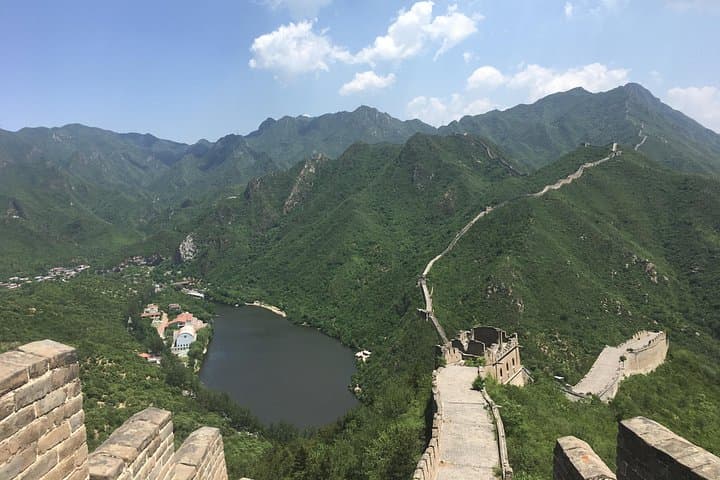
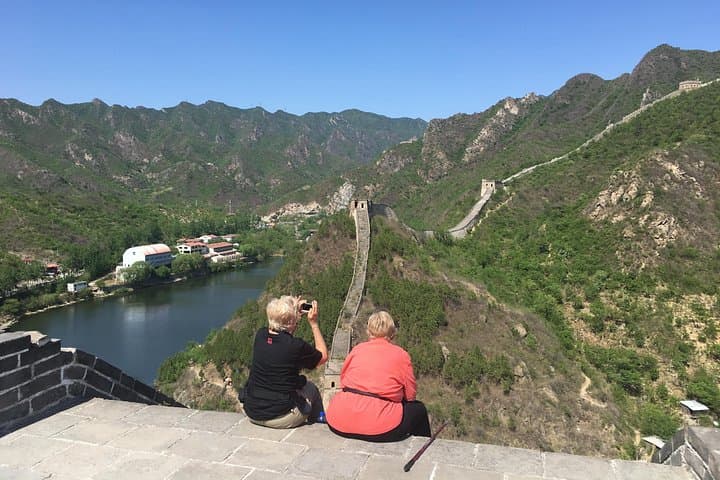
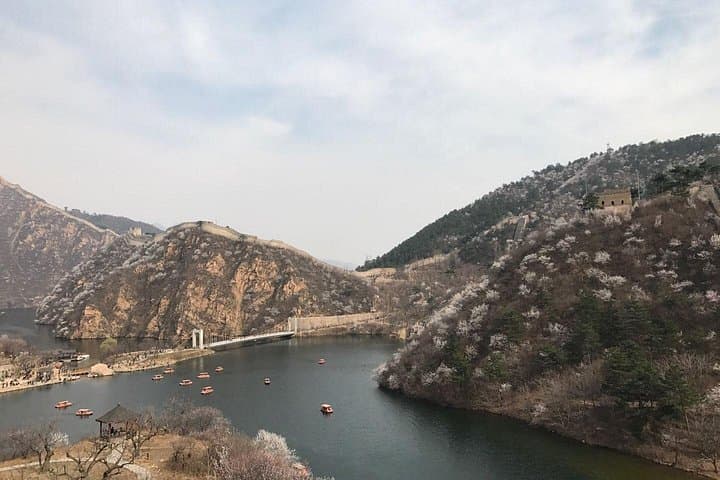
You step off the air‑conditioned van onto a rough flagstone path where the Great Wall meets a still reservoir; wind pushes across open water and the ruined towers rise like old watchmen. The Huanghuacheng section is quieter than Mutianyu or Badaling—stretches of unrestored stone, moss in the cracks, and a shoreline that claims parts of the ramparts.
Verified experiences and guided adventures in the surrounding area.
Operated by Hifunbeijingtravel · Beijing, Beijing
You step off the air‑conditioned van onto a rough flagstone path where the Great Wall meets a still reservoir; wind pushes across open water and the ruined towers rise like old watchmen. The Huanghuacheng section is quieter than Mutianyu or Badaling—stretches of unrestored stone, moss in the cracks, and a shoreline that claims parts of the ramparts.
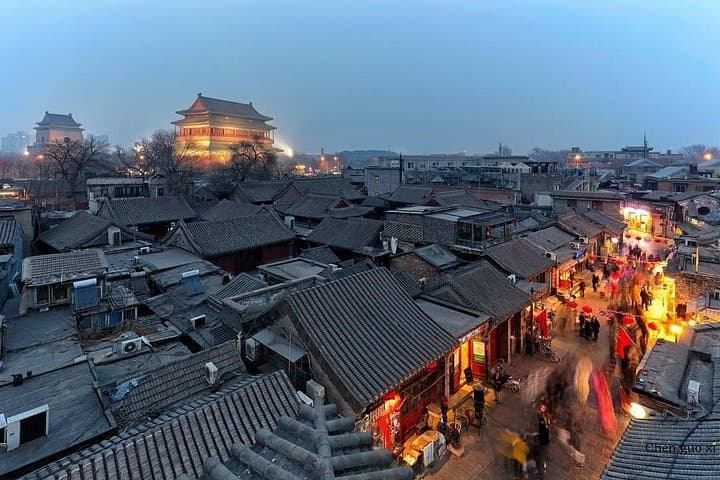
This area grew under the Ming dynasty as part of a defensive line north of Beijing; later flooding created the reservoir that now laps at the wall, producing the region’s signature “water great wall.” Nearby, Beijing’s hutongs—narrow alleys around the Drum and Bell Tower—trace centuries of urban life: courtyards, family workshops, and Yandai Xiejie’s low storefronts.
Expect a day that mixes a moderate walk on uneven stone with a cultural stroll through historic lanes and a local lunch. Terrain ranges from stepped towers and loose mortar to compact dirt paths along the reservoir; sections may be steep and require steady footing. Guides typically focus on history, architecture and quieter viewpoints where the wall bends into the water.
Practical tips: wear grippy shoes and bring a daypack, water, and sun protection; plan for 8–9 hours including transport from Beijing. If you’re managing back issues or pregnancy, choose a less demanding option—this tour recommends moderate fitness. The payoff is solitude, reflective waters, and a close look at Beijing’s living past.
moderate.
8–9 hours.
Moderate fitness needed for uneven stone, short steep sections, and a few hours of walking; not suited to limited mobility.
Yes — the tour’s Great Wall admission is included for the Huanghuacheng visit as part of the itinerary.
Expect roughly 1.5–3 hours of walking on uneven terrain, depending on group pace and chosen viewpoints.
A local lunch is included, typically at a nearby restaurant offering family‑style Chinese dishes; drinks beyond soft drinks are usually extra.
Private transportation is included and pickup options are commonly offered—confirm your pickup point when booking.
Huanghuacheng is a Ming dynasty section of the Great Wall that later became partially immersed when a reservoir was built, giving the wall its distinctive waterline scenes.
Visitor pressure is lower here than at major sites, but stick to paths, avoid removing stones, and pack out trash to protect fragile masonry and shoreline habitats.
Hifunbeijingtravel operates guided outdoor trips and adventures with an emphasis on safety, stewardship, and memorable experiences.
You step off the air‑conditioned van onto a rough flagstone path where the Great Wall meets a still reservoir; wind pushes across open water and the ruined towers rise like old watchmen. The Huanghuacheng section is quieter than Mutianyu or Badaling—stretches of unrestored stone, moss in the cracks, and a shoreline that claims parts of the ramparts.
You step off the air‑conditioned van onto a rough flagstone path where the Great Wall meets a still reservoir; wind pushes across open water and the ruined towers rise like old watchmen. The Huanghuacheng section is quieter than Mutianyu or Badaling—stretches of unrestored stone, moss in the cracks, and a shoreline that claims parts of the ramparts.
This area grew under the Ming dynasty as part of a defensive line north of Beijing; later flooding created the reservoir that now laps at the wall, producing the region’s signature “water great wall.” Nearby, Beijing’s hutongs—narrow alleys around the Drum and Bell Tower—trace centuries of urban life: courtyards, family workshops, and Yandai Xiejie’s low storefronts.
Expect a day that mixes a moderate walk on uneven stone with a cultural stroll through historic lanes and a local lunch. Terrain ranges from stepped towers and loose mortar to compact dirt paths along the reservoir; sections may be steep and require steady footing. Guides typically focus on history, architecture and quieter viewpoints where the wall bends into the water.
Practical tips: wear grippy shoes and bring a daypack, water, and sun protection; plan for 8–9 hours including transport from Beijing. If you’re managing back issues or pregnancy, choose a less demanding option—this tour recommends moderate fitness. The payoff is solitude, reflective waters, and a close look at Beijing’s living past.