THE ADVENTURE COLLECTIVE® · Independent discovery and booking for outdoor travel

Escape Beijing’s crowds on a private day tour to Huanghuacheng, where the Great Wall meets a reservoir and watchtowers rise from the water. This guide covers what to expect, local history, and practical tips for a safe, photogenic visit.
Escape Beijing’s crowds on a private day tour to Huanghuacheng, where the Great Wall meets a reservoir and watchtowers rise from the water. This guide covers what to expect, local history, and practical tips for a safe, photogenic visit.
A low-angled sun slips across the water as you arrive at Huanghuacheng — the Great Wall here steps down into a reservoir and the stones glint like old coins. The day starts with a quiet drive out of Beijing, past ring roads and commuter towns, ending at a section of Ming-era wall that trades crowds for open sky and shoreline views.
Verified experiences and guided adventures in the surrounding area.
Operated by Benny's Guide & Driver Service · Beijing, Beijing
A low-angled sun slips across the water as you arrive at Huanghuacheng — the Great Wall here steps down into a reservoir and the stones glint like old coins. The day starts with a quiet drive out of Beijing, past ring roads and commuter towns, ending at a section of Ming-era wall that trades crowds for open sky and shoreline views.
Huanghuacheng’s history is plain in the masonry: Ming Dynasty builders raised watchtowers and rugged steps to control the approaches north of the capital. Geologically the area is a mix of granite outcrops and terraced slopes; when reservoirs rose in the 1950s some watchtowers became half-submerged, giving the site its “lakeside” character.
Local life in Huairou District is agricultural and low-key; you’ll see fishermen setting nets and small tea farms on nearby slopes. The section draws fewer tour buses than Badaling or Mutianyu, so the wall’s crumbling stretches and restored ramps feel more exploratory than staged.
Practical guidance: this private day tour typically runs about nine hours door-to-door and includes air-conditioned transport but not entrance tickets or meals. Wear grippy shoes for irregular steps, carry water and sun protection, and be prepared for limited English from drivers — a translation app helps. Allow extra time for photo stops at submerged towers and choose early or late daylight to avoid the peak sun. Stick to marked paths—some sections are unstable—so you can enjoy the view without adding to wear on the ancient stone.
moderate.
6–9 hours.
Moderate fitness: able to walk several miles on uneven steps and climb short steep sections
No—entrance fees are not included; expect to purchase tickets on arrival or pay the site’s entry fee separately.
Depending on traffic and pickup point within the 5th Ring Road, the drive typically takes 60–90 minutes each way.
The visit involves walking along the wall and shoreline for a few kilometers at your pace; you can choose shorter loops if you prefer less walking.
Meals are not included; the tour stops near small local restaurants where you can buy lunch, or bring snacks.
Constructed and expanded during the Ming Dynasty, Huanghuacheng became partially inundated when reservoirs were built in the 20th century, leaving watchtowers half-submerged.
Visit on marked paths and avoid climbing fragile, unrestored sections; local guides and operators aim to minimize impact by keeping to existing access routes.
Benny's Guide & Driver Service operates guided outdoor trips and adventures with an emphasis on safety, stewardship, and memorable experiences.
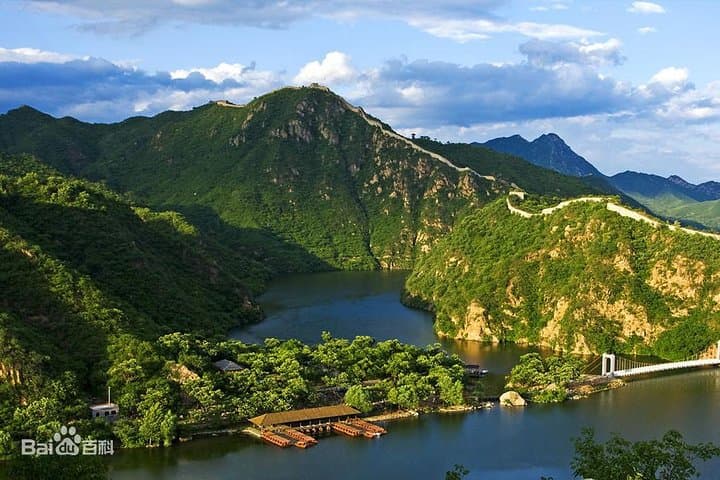
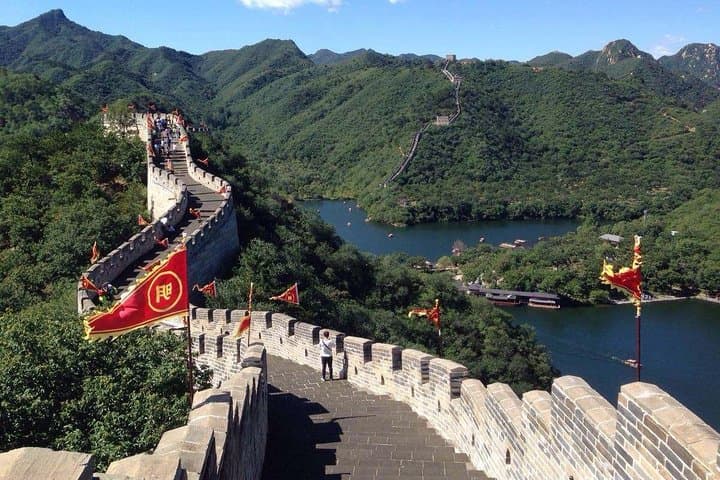
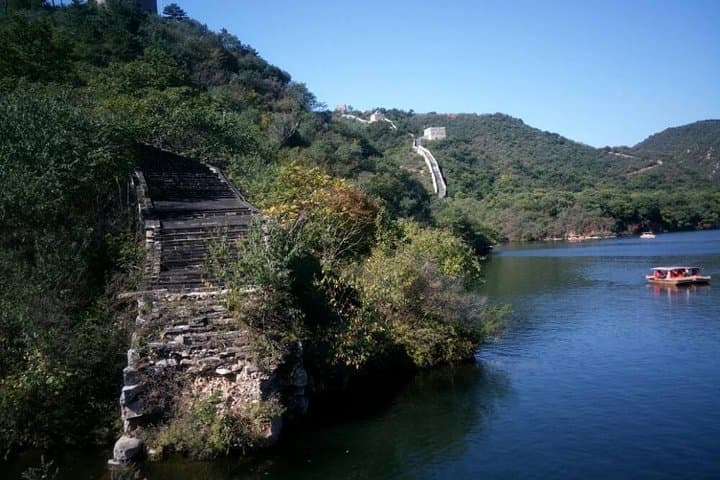
A low-angled sun slips across the water as you arrive at Huanghuacheng — the Great Wall here steps down into a reservoir and the stones glint like old coins. The day starts with a quiet drive out of Beijing, past ring roads and commuter towns, ending at a section of Ming-era wall that trades crowds for open sky and shoreline views.
A low-angled sun slips across the water as you arrive at Huanghuacheng — the Great Wall here steps down into a reservoir and the stones glint like old coins. The day starts with a quiet drive out of Beijing, past ring roads and commuter towns, ending at a section of Ming-era wall that trades crowds for open sky and shoreline views.
Huanghuacheng’s history is plain in the masonry: Ming Dynasty builders raised watchtowers and rugged steps to control the approaches north of the capital. Geologically the area is a mix of granite outcrops and terraced slopes; when reservoirs rose in the 1950s some watchtowers became half-submerged, giving the site its “lakeside” character.
Local life in Huairou District is agricultural and low-key; you’ll see fishermen setting nets and small tea farms on nearby slopes. The section draws fewer tour buses than Badaling or Mutianyu, so the wall’s crumbling stretches and restored ramps feel more exploratory than staged.
Practical guidance: this private day tour typically runs about nine hours door-to-door and includes air-conditioned transport but not entrance tickets or meals. Wear grippy shoes for irregular steps, carry water and sun protection, and be prepared for limited English from drivers — a translation app helps. Allow extra time for photo stops at submerged towers and choose early or late daylight to avoid the peak sun. Stick to marked paths—some sections are unstable—so you can enjoy the view without adding to wear on the ancient stone.