THE ADVENTURE COLLECTIVE® · Independent discovery and booking for outdoor travel

A single-day private tour that combines adrenaline on Huacachina’s dunes, an aerial pass over the enigmatic Nazca Lines, and a vineyard pisco tasting. Expect a long but varied itinerary with transfers, a short plane flight, and hands-on desert activities.
A single-day private tour that combines adrenaline on Huacachina’s dunes, an aerial pass over the enigmatic Nazca Lines, and a vineyard pisco tasting. Expect a long but varied itinerary with transfers, a short plane flight, and hands-on desert activities.
You step out of the air-conditioned van and the heat of the coastal desert presses against your skin—dunes rise like low waves around a small pool of green water. That first sight is Huacachina: a compact oasis ringed by ochre sand where dune buggies chatter and boards slice down steep faces. Later, the plane lifts you above a bleached plain and the Nazca geoglyphs unfold—hummingbird wings, a long-legged spider and geometric lines cut across the desert like ancient graffiti.
Verified experiences and guided adventures in the surrounding area.
Operated by Peruvian Star Travel · Ica, Ica Region
You step out of the air-conditioned van and the heat of the coastal desert presses against your skin—dunes rise like low waves around a small pool of green water. That first sight is Huacachina: a compact oasis ringed by ochre sand where dune buggies chatter and boards slice down steep faces. Later, the plane lifts you above a bleached plain and the Nazca geoglyphs unfold—hummingbird wings, a long-legged spider and geometric lines cut across the desert like ancient graffiti.
The Nazca designs date from roughly 200–600 CE; scholars think they relate to ritual, water rites or astronomical markers. Geologically, the region is a hyper-arid coastal plain over compacted alluvial deposits, which preserved the shallow removals that form the lines. Culturally, the Ica valley is an agricultural and viticultural zone—centuries of grape growing produced the pisco and wines you’ll taste after the flight.
Practical guidance: this is a long, full-day private itinerary—expect roughly 12–14 hours including round-trip driving from Lima, dune buggy runs, a short overflight (about 30–40 minutes in small aircraft) and a vineyard visit with lunch. Wear closed shoes for sandboarding, sun protection for exposed desert, and keep motion-sickness remedies handy for the plane. Bring a small daypack, water, and a charged phone camera; flights have limited space for bags. If you have spinal or cardiovascular issues or are pregnant, this trip is not recommended. Book a morning slot to avoid late-afternoon haze and to catch higher contrast on the Nazca lines.
moderate.
12–14 hours.
Low to moderate fitness; able to handle short dune climbs, bumpy rides, and a short light-aircraft flight.
Overflight time as offered is typically 30–40 minutes of airborne time, allowing several passes over the most famous figures; total airport time adds check-in and safety briefings.
Yes—guides provide instruction and dune buggy launches; there are gentler dune runs for first-timers and steeper runs for experienced riders.
Yes—the itinerary includes a vineyard visit with wine and pisco tasting plus a typical Peruvian lunch at the estate.
This tour is not recommended for pregnant travelers or anyone with serious back or heart conditions due to dune-buggy motion and the small aircraft flight.
The Nazca lines were created by pre-Columbian cultures between roughly 200–600 CE; their purpose remains debated, with theories ranging from ritual pathways to astronomical markers.
The Nazca plateau is fragile—stay within marked viewing and runway areas, avoid disturbing surfaces, and support operators who follow regulated flight paths to reduce concentrated overflight impact.
Peruvian Star Travel operates guided outdoor trips and adventures with an emphasis on safety, stewardship, and memorable experiences.
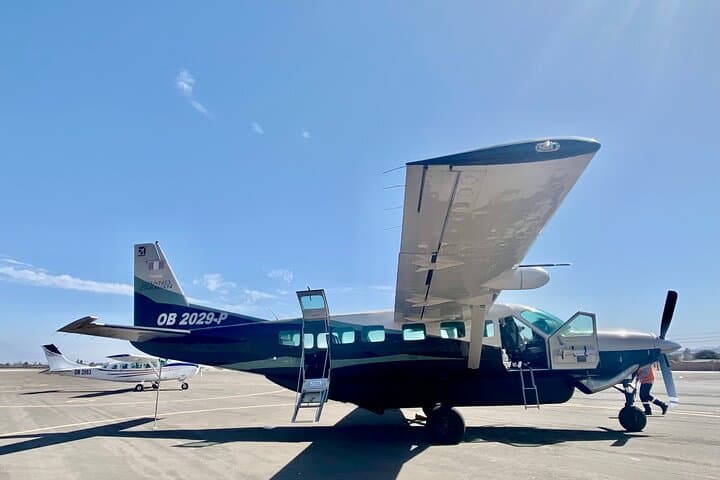
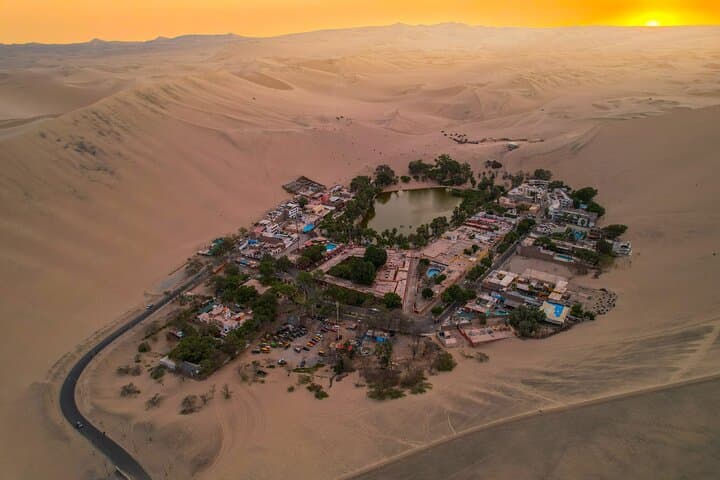
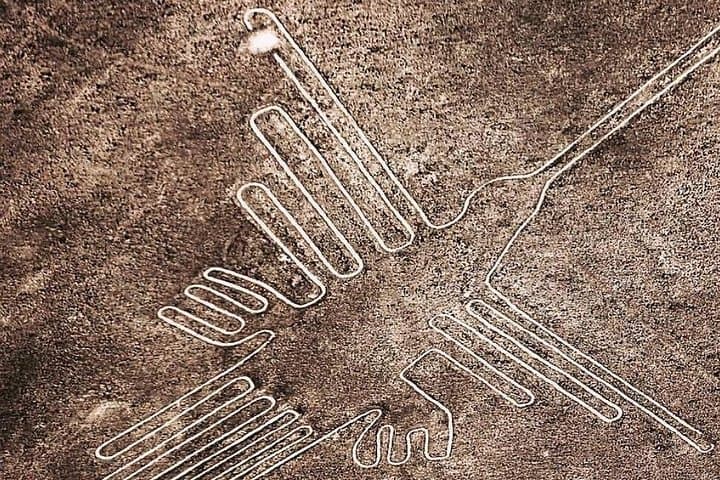
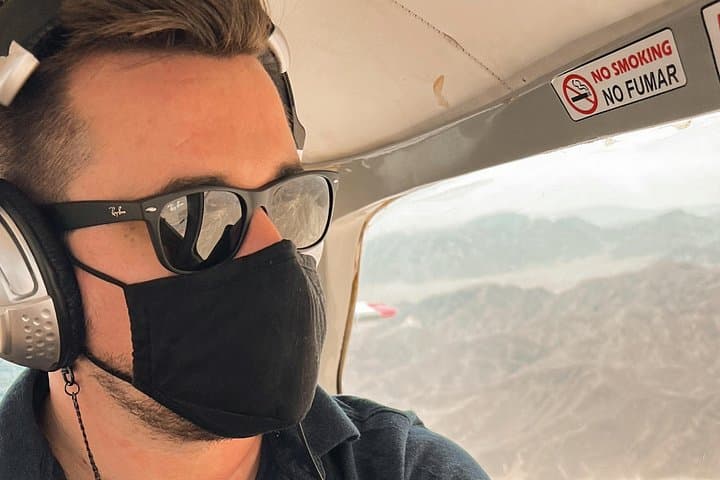
You step out of the air-conditioned van and the heat of the coastal desert presses against your skin—dunes rise like low waves around a small pool of green water. That first sight is Huacachina: a compact oasis ringed by ochre sand where dune buggies chatter and boards slice down steep faces. Later, the plane lifts you above a bleached plain and the Nazca geoglyphs unfold—hummingbird wings, a long-legged spider and geometric lines cut across the desert like ancient graffiti.
You step out of the air-conditioned van and the heat of the coastal desert presses against your skin—dunes rise like low waves around a small pool of green water. That first sight is Huacachina: a compact oasis ringed by ochre sand where dune buggies chatter and boards slice down steep faces. Later, the plane lifts you above a bleached plain and the Nazca geoglyphs unfold—hummingbird wings, a long-legged spider and geometric lines cut across the desert like ancient graffiti.
The Nazca designs date from roughly 200–600 CE; scholars think they relate to ritual, water rites or astronomical markers. Geologically, the region is a hyper-arid coastal plain over compacted alluvial deposits, which preserved the shallow removals that form the lines. Culturally, the Ica valley is an agricultural and viticultural zone—centuries of grape growing produced the pisco and wines you’ll taste after the flight.
Practical guidance: this is a long, full-day private itinerary—expect roughly 12–14 hours including round-trip driving from Lima, dune buggy runs, a short overflight (about 30–40 minutes in small aircraft) and a vineyard visit with lunch. Wear closed shoes for sandboarding, sun protection for exposed desert, and keep motion-sickness remedies handy for the plane. Bring a small daypack, water, and a charged phone camera; flights have limited space for bags. If you have spinal or cardiovascular issues or are pregnant, this trip is not recommended. Book a morning slot to avoid late-afternoon haze and to catch higher contrast on the Nazca lines.